Add MobilityArena as a preferred source on Google
Redmi 14C 5G is a lower budget Android smartphone and a replacement for the Redmi 13C 5G . It does not support eSIM or have an IR blaster. There is no support for wireless charging. It doesn’t have a waterproof IP rating either. However, it has a water repellent design, so there is some measure of protection against splashes of water.
There is no support for aptX and aptX HD Bluetooth codecs, but there is a 3.5mm headphone port for wired headsets and earphones.
Redmi 14C 5G in brief:
- Price Range: Below $250
- OS: Android 14
- Release Date: 2024
- Network Type: 2G/3G/4G/5G
- eSIM: No
- Display: 6.74-inch, 720 x 1600 pixels resolution
- Chipset: Dimensity 6100+ (6 nm)
- Selfie Camera: 8 MP
- Rear camera: 50 MP
- RAM: 8 GB
- ROM: 256 GB
- Fingerprint Sensor: Yes.
- Headphone Jack: Yes
- Infrared/IR Blaster: No.
- Battery: 5000 mAh
- Fast Charging: 18W
- Wireless Charging: No.
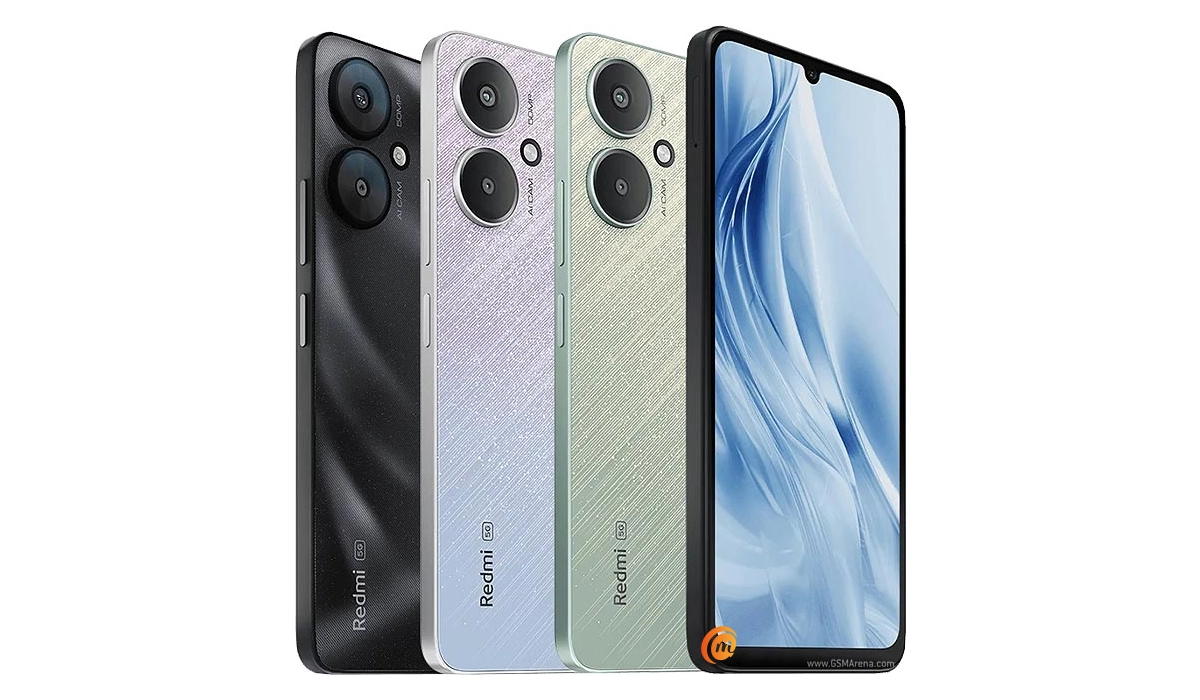
Redmi 14C 5G
For more detailed specifications of the device, have a look below.
- Redmi 14C 5G Specs
- Prices in the USA, UK, EU, Australia
Redmi 14C 5G Specs
Mobile Wireless Network and Software
- 2G mobile network bands : GSM, GPRS, EDGE 850 / 900 / 1800 / 1900 MHz.
- 3G mobile network bands : UMTS, WCDMA, HSDPA 850 / 900 / 2100 MHz
- 4G mobile network bands : LTE.
- 5G mobile network bands : NSA/SA
- SIM Type : Nano-SIM, Dual SIM
- Software / OS : Android 14
- Software Updates :
Design, Form Factor, Appearance
- Dimensions : 161 x 76.5 x 8.3 mm
- Weight : 197g
- Display Size: 6.74 inches,
- Screen Resolution : 720 x 1600 pixels
- Refresh Rate : 90 Hz refresh rate
- Screen Type : IPS LCD
- Frame : Glass front, plastic frame,
- Back/Rear Cover : plastic back
- Ingress Protection/IP Rating : Splash and dust resistant
- Colorways : Black, Green, Silver
Internal Hardware Specs
- Central Processor ( CPU ): 64-bit, 2.3 GHz Octa-core
- Chipset : Dimensity 6100+ (6 nm)
- Graphics Processing Unit ( GPU ): ARM Mali-G57
- RAM : 4GB / 6GB / 8GB
- Extended/Virtual RAM :
- Internal Storage : 128 GB / 256 GB
- External Storage : microSD
Photography, Video Recording
- Main Camera : 50 MP main sensor + 2 MP macro lens, autofocus, LED flash, 1080p@30fps video recording
- Front Camera : 8 MP, fixed focus, Face Recognition, 1080p@30fps video capture
Audio, Video Playback
- Music Support : PCM, AAC / AAC + / eAAC + / MP3 / AMR – NB / WB / APE
- 3.5 mm audio headphone jack :
- Loudspeaker : Stereo speakers
- Video Support : H.264/MP4/MPEG4 player
- FM Radio : Market-dependent.
Phone Sensors
- Digital Compass : Yes.
- Accelerometer : Yes.
- Proximity Sensor : Yes.
- Ambient Light Sensor : No.
- Barometer : No.
- Pedometer : No.
- Heart Rate Monitor : No.
- Gyroscope (G-Sensor) : Yes.
- Fingerprint Scanner : Yes; side-mounted.
- Face Unlock : Yes.
- Iris Scanner : No.
- Motion Sensing / Gesture Control : No.
- Voice Control : No.
- Intelligent Digital Assistant : Yes; Google Assistant.
- Infra-red/IR Blaster : No.
Connectivity Options
- Bluetooth Version : 5.3
- Bluetooth Profiles : A2DP, LE
- aptX Bluetooth Codecs :
- WiFi : Wi-Fi 802.11 a/b/g/n/ac, hotspot
- GPS : Yes, A-GPS, GLONASS, GALILEO, BDS
- USB : microUSB v2.0. Type-C.
- NFC : Market dependent.
Miscellaneous Specs and Features
- Battery Type : Non-Removable Lithium-Polymer
- Battery Capacity : 5000 mAh
- Battery Charging : 18W fast charging
- Wireless Charging : No.
- Reverse Charging : No.
- Model Version/Number : 2411DRN47G for the global market. 2411DRN47R for Japan. 2411DRN47I for India. 2411DRN47C for China.
Launch/Release Dates and Information
- Announced : 2024
- Release Date : 2024
Prices in the USA, UK, EU, Australia
Redmi 14C 5G comes in four storage variants – 4/128GB, 6/128GB, 6/256GB, and 8/256GB. Below are its prices in the US, the UK, Germany, and Australia.
- United States of America (USA) : from $205
- United Kingdom (UK) : from £209
- European Union (EU) : from €209
- Australia : from AUD
Author:InfoDesk
Add MobilityArena as a preferred source on Google
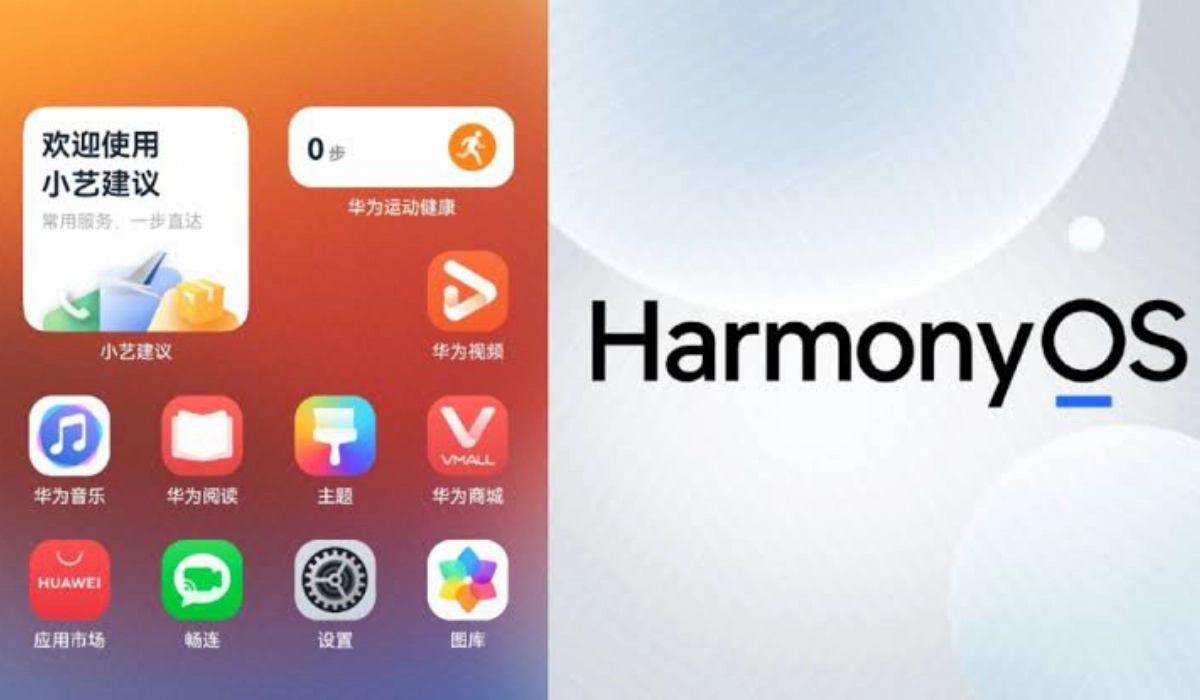
If you have not heard the news, the new HarmonyOS NEXT does not have support for Android OS or Linux.
Any observer of the face-off between the U.S. government and China that led to Huawei being banned from using American technologies and services knew that this day would come. With Huawei unable to license Google’s Android OS, the Chinese brand turned to AOSP, the raw open source version and built HarmonyOS on it.
The official statement from Huawei is that there are now over 700 million devices running HarmonyOS, and more than 2.2 million third-party developers are writing apps for the platform. That is a large, thriving ecosystem, and so it makes sense that Huawei is ditching Android app support in the next iteration of their mobile operating system, HarmonyOS NEXT.
In plain English, you will not be able to install Android APK files on HarmonyOS NEXT smartphones and other devices (smart TVs, tablets, cars, IoT devices).
For context, about one billion Android devices were shipped in 2023. Microsoft failed at giving the world the 3rd mobile operating system. The Windows Phone OS turned Windows 10 Mobile project was a good attempt but it eventually failed. BlackBerry OS also failed and is now history. Perhaps HarmonyOS is where salvation lies for the world to break the duopoly of Android OS and iOS.
How good is HarmonyOS NEXT?
Developer previews of the operating system have given us a window into how good the new OS is. For example, they have demonstrated how much smoother the OS is when compared to Android. In addition, the OS includes “superior animation effects” and AI features.
What are HarmonyOS NEXT’s chances?
For now, HarmonyOS is strictly a Chinese affair. Pretty much every smartphone that runs the mobile operating system exists in China only (except some of the owners travelled outside of China with them). That country’s massive population is what has made it possible to achieve the significant market share that it commands there.
Ecosystem and App Support : Android has a massive app ecosystem with millions of apps available on the Google Play Store. Earlier this year, Huawei announced that they now had over 4,000 native apps for HarmonyOS and they are working hard to attract developers and build more of those apps and further develop the HarmonyOS ecosystem. If it succeeds in getting more third-party apps and services, it could become a strong competitor.
Huawei’s Market Presence : Huawei is a major player in the smartphone industry, especially in China where HarmonyOS is already in second place after Android and ahead of iOS. If they can leverage their existing user base and convince them to switch to HarmonyOS, it could gain traction.
Technical Advancements : HarmonyOS claims to offer seamless cross-device experiences, better resource management, and improved security. If these features resonate with users, it might sway their preferences.
Global Acceptance : HarmonyOS needs to gain acceptance beyond China. It’s essential for Huawei to strike partnerships with other manufacturers and expand its reach globally. For now, only Huawei phones use the software.
Regulatory Challenges : Huawei faces challenges due to geopolitical tensions. These restrictions impact its ability to collaborate with international companies and access critical technologies.
As I like to say, time will tell how successful HarmonyOS NEXT will be and if HarmonyOS can truly rival Android on a global scale. But in China, it will be an easy task for Huawei’s mobile operating system will rise quickly to the top.
HarmonyOS NEXT eligible smartphones
Since version 4.0, HarmonyOS has been used in not just smartphones, but also other devices like TVs and cars. Let’s look at the existing smartphones are eligible to get the HarmonyOS NEXT update.
The software will roll out to the Huawei Mate 60 series, Mate X5 series, Pura 70 series, Pocket 2 series, FreeBuds Pro 3, and the 2024 refresh of the MatePad Pro 11 tablet, among others.
Reports say that Huawei is targeting having 200 million devices running HarmonyOS NEXT by the end of this year.
References
News source | sources |
Author:Mister Mobility
Digital Skills and Communication Coach | Mobile Phone Connoisseur since 2001 | Tech Blogging since 2004
