Add MobilityArena as a preferred source on Google
Redmi 9i has been launched in India as the latest addition to the Redmi 9 series. This device, which is a rebrand of the Redmi 9A, joins the Redmi 9 , 9A and 9 Prime in the series, and boasting a massive 5,000mAh battery with a MediaTek Helio G25 under the hood.
The Redmi 9i launched with the Android 10 OS with MIUI 12 on top and is built around a 6.53-inch HD+ (720×1600 pixels) display with a 19.5:9 aspect ratio. This smartphone has the octa-core MediaTek Helio G25 SoC under the hood, which is hooked to 4GB RAM and offers 64/128GB storage options (expandable via microSD to 512GB).
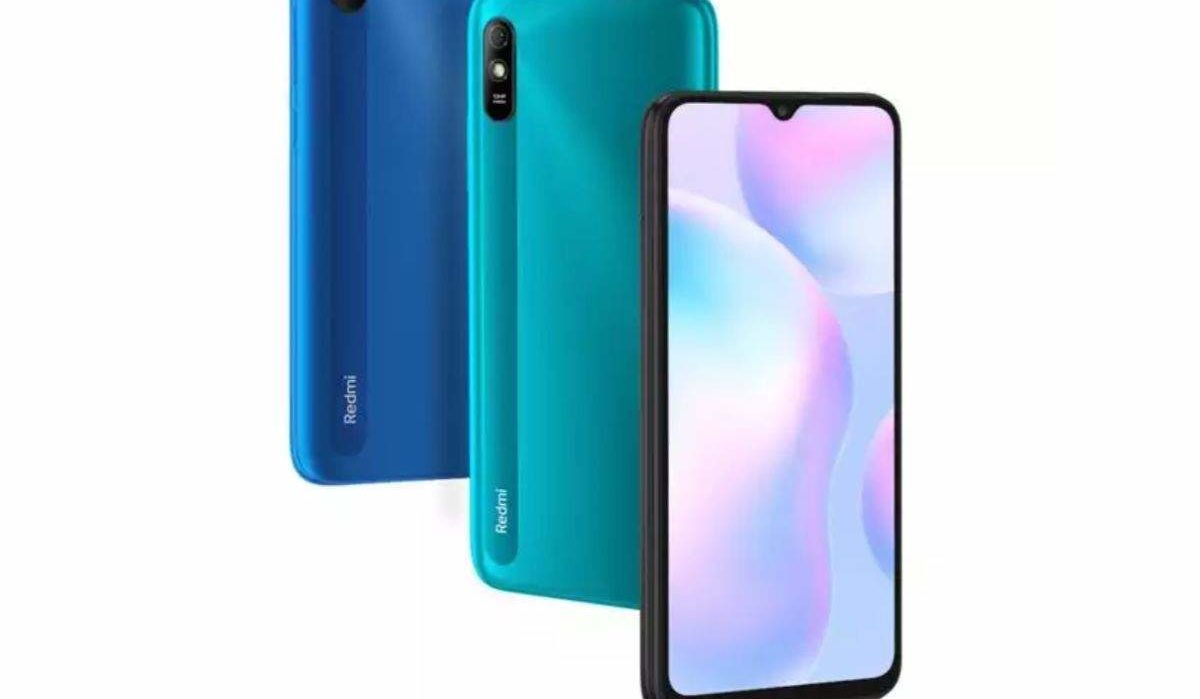
In the camera department, a single rear camera with a 13MP snapper takes care of photography duty. Up front, a 5MP sensor housed in a notch takes care of selfies and video calls.
This device has a massive 5,000mAh battery which offers 10W fast charging support, keeping this device powered all day. The Redmi 9i launched with Sea Blue, Midnight Black, and Nature Green color options. It has two storage variants which are available at different price points, with the 4GB+64GB model costing $112 and the 4GB+128GB selling for $126.
Redmi 9i Price and Specs
- OS: Android 10 with MIUI 12
- Release Date: September 2020
- RAM: 4GB
- ROM: 64/128GB
- Network Type: 3G/4G
- Selfie Camera: 5MP
- Rear camera: 13MP
- Display: 6.53-inch HD+ (720×1600) display
- Battery: 5,000mAh with 10W fast charging support
- Processor: MediaTek Helio G25
- Price: Starts at $112
References
- Source ;
- Source .
Author:Alfa Baye
Staff Writer
Add MobilityArena as a preferred source on Google
iPhone clones are smartphones designed and manufactured as replicas of Apple iPhones. They look almost exactly like an iPhone but are made by a 3rd party company, usually a Chinese operation.
There are a number of manufacturers whose speciality is the production of clones of Apple’s iPhones. Year after year, with each new iPhone release, they make another smartphone that looks exactly like each year’s iPhone model. Well-known iPhone clone manufacturers include: Hotwav, GooPhone, and Bluboo, among others.
Hotwav and GooPhone are particularly notorious as makers of iPhone clones. For example, while at the time of this article, the iPhone 12 series are yet to be officially announced, GooPhone already as an iPhone 12 Pro clone in the works.
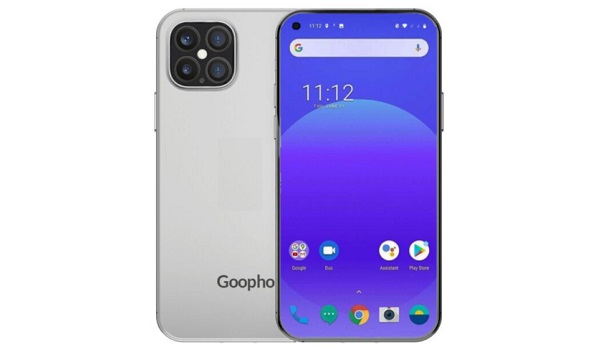
Goophone 12 Pro is an iphone 12 Pro clone
Goophone 12 Pro is a rip-off of the design of the iPhone 12 Pro. Of course, like all iPhone replicas, it does not run iOS, Apple’s platform. It runs Android OS.
Depending on the level of customisation each manufacturer is capable of, the user interface can look like anything from vanilla Android to a heavily skinned version that has the look and feel of iOS. None of them offer the smoothness or performance of Apple iPhones either.
A clone is a clone – nothing more than an Android-powered iPhone lookalike.
- iPhone clone vs Original: What are the differences?
- Are iPhone clones safe?
- Which is the best iPhone clone?
- Are iPhone clones worth buying?
- Is selling iPhone clones illegal?
iPhone clone vs Original: What are the differences?
The major difference is that the iPhone is manufactured to Apple’s standards, while clones are produced without that level of quality. Of course, iPhones run iOS, while iPhone clones are all Android phones.
Are iPhone clones safe?
It is unlikely that you will find the same level of security that an Apple iPhone has in a clone iPhone. Apple runs a tight ship and is committed to years of security updates, while most clone iPhones never get updated at all in their entire lifetime.
Which is the best iPhone clone?
For example, a number of Apple iPhone X clones hit the market. The best among them include devices like:
- Elephone A4 Pro
- Hotwav Symbol S3
- Blackview X
- GooPhone X
- Bluboo X
- Ulefone X
And as already mentioned, the GooPhone 12 Pro is on the way.
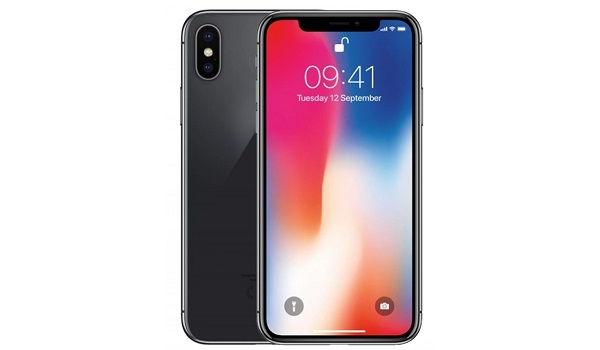
GooPhone X is one of a handful of Apple iPhone clones.
Are iPhone clones worth buying?
From where I am standing, I don’t think that iPhone clones are worth buying. If I want an iPhone, I will go buy one. I would want the proper, full experience.
The software in a clone iPhone is different from what obtains on the original device from Apple. Even with the hardware, while the design is a replica of the real thing, it isn’t the same. iPhone clones do not use the exact same materials (and quality) that Apple uses for their phones.
But it appears there are people who are satisfied with having the shell even if the software and the experience are different from the original item. Why? These iPhone clones sell every year. Obviously, there is a market for them.
And this is because those clones are much more affordable than real iPhones. There are iPhone clones on sale for as low as $170. You won’t find any brand new original iPhone to buy for that price.
You could get fairly-used iPhone models from years back for that amount though, and if I wanted a cheap iPhone, that is what I would do – buy a used one. I’d be getting the real Apple experience for much less.
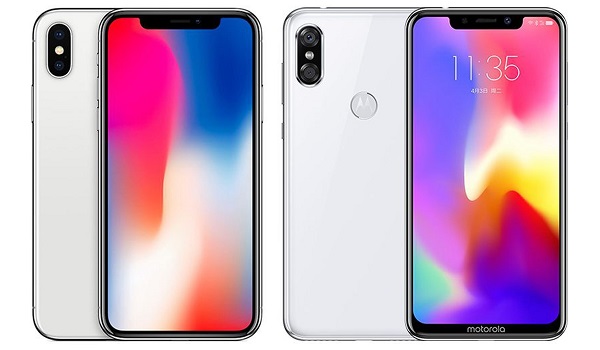
Motorola P30 is an iPhone clone. How did they get away with it?
There was this one time that a mainstream smartphone brand, Motorola, produced an iPhone replica though: the P30 (pictured above beside the iPhone X. I have wondered how Motorola got away with that. Is it the chin? Who knows? But it is a blatant rip-off of the physical appearance of the iPhone X.
Is selling iPhone clones illegal?
Of course, iPhone clones cannot be officially sold in the United States, the United Kingdom, or other countries where Apple’s intellectual property machine can take legal action against them. But they sell by the bucketful in China at the least, and a handful of other countries where IP laws are lax.
Clone iPhones are generally illegal, as each manufacturer has an IP right on the designs of their phones. But laws and justice departments in many countries are lax and so, clone manufacturers get away with their actions.
As such, clone iPhones are usually available for purchase only from e-commerce websites that are hosted in countries where IP laws are ineffective and where original phone manufacturers is unable to reach them.
Author:Mister Mobility
Digital Skills and Communication Coach | Mobile Phone Connoisseur since 2001 | Tech Blogging since 2004
