Add MobilityArena as a preferred source on Google
Amidst the rapid evolution of technology, the screens of our electronic companions intricately shape the landscape of our modern existence. Whether enchanted by the sleek brilliance of an Apple iPhone or captivated by the vibrant display of a Samsung Galaxy, these devices have seamlessly woven themselves into the tapestry of our daily rituals. However, the journey with these screens is not without its occasional hiccups. This guide is a deep dive into the sophisticated realm of screen restoration, offering insights tailored to both Apple and Samsung users. Join us as we unravel the complexities of addressing screen issues in the ever-evolving world of technology.
- Diagnosing Screen Issues Apple Devices Restoring Apple Screens Restoring Samsung Screens
- FixNow: Your Reliable Repair Partner
- Choosing the Right Screen Protector Material
- Keeping Your Screen Pristine: Best Practices
- Additional Tips for Prolonging Screen Longevity
- Conclusion
Diagnosing Screen Issues
Before diving into the restoration process, it’s crucial to accurately diagnose the problems with the screens. Here are common issues users face:
Apple Devices
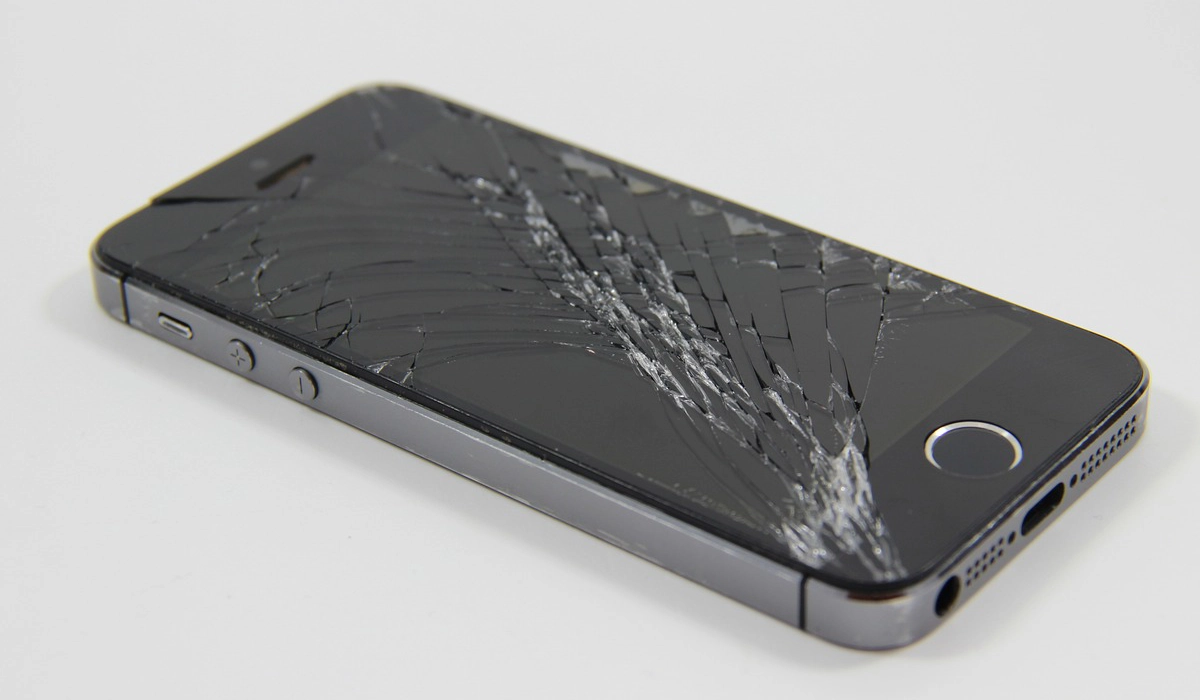
- Cracked Screen : A physically damaged screen is a common woe. Identify the extent of the damage using the table below:
| Damage Level | Description |
|---|---|
| Minor | Hairline cracks with no touch issues |
| Moderate | Visible cracks affecting touch |
| Severe | Complete screen damage |
- Touch Sensitivity : Unresponsive or erratic touch can be attributed to software or hardware issues.
Samsung Devices
- AMOLED Burn-in : With prolonged usage, AMOLED screens may exhibit burn-in issues.
- Ghost Touch : Random touches or swipes without user input can be frustrating.
Restoring Apple Screens
- Cracked Screen Repair
If dealing with a minor crack, applying a screen protector can prevent further damage. For moderate to severe cracks, professional repair services are recommended. Boldly choose authorized service centers for genuine parts.
- Touch Sensitivity Troubleshooting
- Software Reset : Perform a factory reset to eliminate software glitches.
- Hardware Calibration : Adjust touch settings in Settings > Accessibility.
- Display Replacement
For severe damage, a complete display replacement is necessary. Refer to the table below for compatible replacements:
| Apple Device | Compatible Display Replacement |
|---|---|
| iPhone X | OLED Super Retina HD Display |
| iPhone 11 | Liquid Retina HD Display |
| iPhone 12 | Ceramic Shield Front Cover, Super Retina XDR |
Restoring Samsung Screens
- AMOLED Burn-in Mitigation
- Screen Timeout : Reduce screen timeout duration to minimize static images.
- Display Rotation : Enable screen rotation to distribute pixel usage evenly.
- Ghost Touch Resolution
- Screen Calibration : Navigate to Settings > Display > Screen Sensitivity for calibration options.
- Firmware Update : Ensure your device has the latest firmware for bug fixes.
- Professional Repair Services
For persistent issues, seek professional assistance from authorized Samsung service centers. Avoid third-party repairs to maintain warranty validity.
FixNow: Your Reliable Repair Partner
At FixNow, experience top-notch repair and diagnostic services for your electronic devices. Discover key benefits that set FixNow apart:
- Free Diagnosis: Begin your device repair journey with a complimentary diagnosis to uncover issues without initial costs.
- Premium Screen Repairs: FixNow specializes in top-notch screen repairs for various devices, ensuring quality and precision.
- Quality Components: We prioritize durable and high-quality parts, guaranteeing the longevity and optimal performance of your device.
- Swift Repairs: Our skilled technicians are committed to swift and efficient screen repairs, minimizing downtime for your device.
- 12-Month Guarantee: Enjoy peace of mind with our 12-month guarantee on all screen repairs, reflecting our confidence in the durability of our service.
Choosing the Right Screen Protector Material
When selecting a screen protector, consider the material that aligns with your usage preferences.
- Tempered Glass : Offers superior protection against drops and scratches while maintaining touch sensitivity.
- Polyethylene Terephthalate (PET) : Known for its flexibility, PET protectors are easy to apply and less prone to shattering.
- Thermoplastic Polyurethane (TPU) : This film-based protector provides excellent self-healing properties, effectively minimizing minor scratches over time.
By understanding the nuances of different screen protector materials, users can make informed choices to safeguard their devices effectively.
Keeping Your Screen Pristine: Best Practices
Beyond troubleshooting and restoration, adopting best practices can play a pivotal role in maintaining a pristine screen.
Screen-Cleaning Solutions
Regularly clean your device’s screen using a gentle, alcohol-free screen-cleaning solution. Apply the solution to a microfiber cloth and wipe the screen in gentle circular motions, removing fingerprints and smudges without causing damage.
Temperature Considerations
Extreme temperatures can impact screen performance. Avoid exposing your device to excessive heat or cold, as this can affect the responsiveness of the screen and lead to long-term damage. Store and use your device within the recommended temperature range specified in the user manual.
Additional Tips for Prolonging Screen Longevity
Beyond addressing specific screen issues, adopting proactive measures can significantly contribute to extending the lifespan of your device’s screen. Consider the following tips:
- Regular Maintenance : Clean your screen regularly using a microfiber cloth to remove smudges and debris.
- Protective Cases : Invest in a high-quality protective case to shield your device from accidental drops and impacts.
- Update Software : Keep your device’s software up-to-date to benefit from the latest bug fixes and optimizations.
Conclusion
In conclusion, understanding the nuances of screen issues and adopting appropriate restoration methods is paramount. Always prioritize genuine parts and authorized service centers for optimal results. Regular maintenance and cautious usage can significantly extend the lifespan of your device’s screen, ensuring a seamless and immersive user experience.
Author:Anna Makama
Gadget lover making my way through life one day at a time.
Add MobilityArena as a preferred source on Google
Introduction: The advent of 3D printing has initiated a revolutionary wave across a multitude of industries. This article aims to delve into the remarkable versac3D printing technology, from the precision of healthcare applications to the robust demands of aerospace engineering. As we uncover the industries that use 3D printing, we’ll explore the transformative nature of this technology. Particularly with industrial resin 3D printer , we’re witnessing a surge in high-quality, durable parts being produced at unprecedented speeds. These advancements are not only fueling innovation but also reshaping how industries approach design, prototyping, and production, marking a new era in manufacturing and engineering.
The Basics of 3D Printing
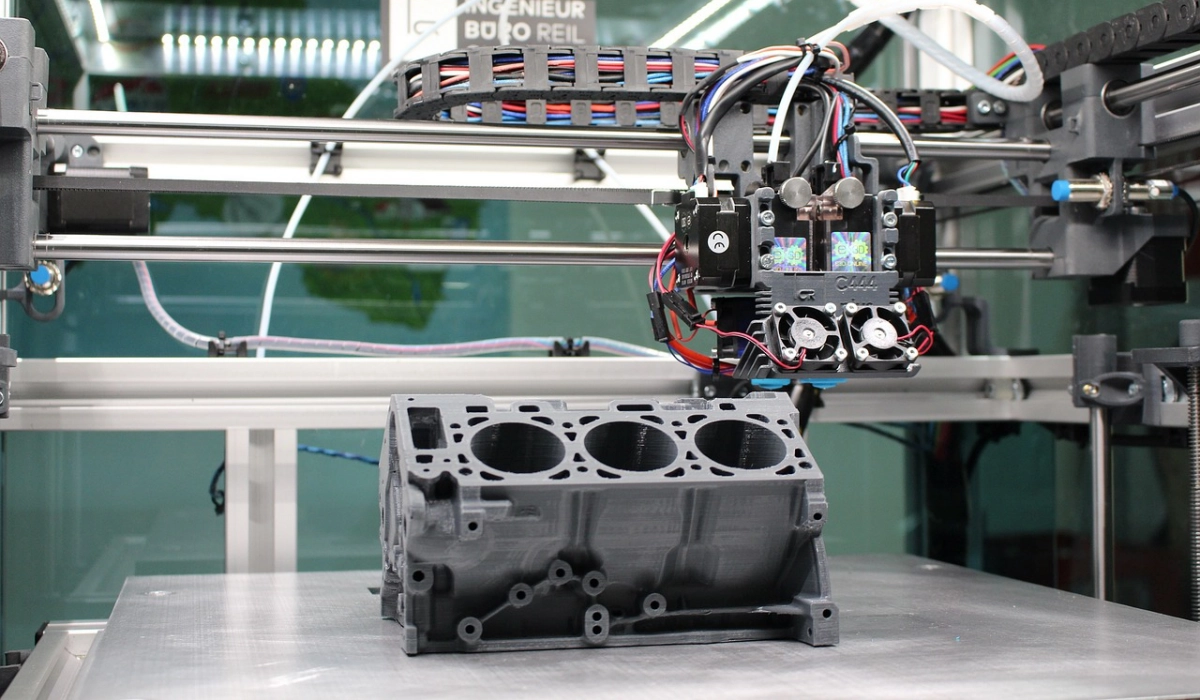
At its core, 3D printing is a process of creating three-dimensional objects from a digital file, layer by layer. Technologies like stereolithography, fused deposition modeling, and selective laser sintering are among the methods that have made 3D printing a versatile tool. The materials used are just as varied, ranging from plastics and metals to biocompatible resins, each offering unique benefits and challenges. Industries using 3D printing leverage these methods for their specific needs, shaping the future of manufacturing and design.
3D Printing in Healthcare
One of the most profound impacts of 3D printing is seen in healthcare, where it’s used to create custom prosthetics and implants tailored to individual patients. This personalization has revolutionized patient care, making it a prime example of who uses 3D printers. Bioprinting, a frontier of 3D printing, is making strides in replicating human tissues and organs, potentially solving organ shortage crises. The uses for 3D printers in healthcare are vast, illustrating the technology’s potential to save and enhance lives.
3D Printing in Aerospace
The aerospace industry benefits immensely from 3D printing. It’s used to manufacture complex, lightweight components that reduce overall aircraft weight and improve fuel efficiency. Spacecraft and satellites also see components made from this technology. The industries that use 3D printing, like aerospace, appreciate its ability to produce parts that are otherwise too complex or costly to make using traditional methods.
Other Industry Applications
Automotive: The automotive sector uses 3D printing for rapid prototyping and manufacturing custom parts. This accelerates design processes and offers flexibility in testing new concepts. Architecture and Construction In architecture, 3D printing is being used to create models and even functional components of buildings. Some projects even experiment with printing entire structures.
Consumer Goods: From custom jewelry to unique home decor, the consumer goods industry is leveraging 3D printing to offer personalized products to customers.
Challenges and Considerations
Despite the promising applications, 3D printing faces technical, ethical, and regulatory challenges. Questions around intellectual property, quality control, and environmental impact are central to discussions about the future of 3D printing. Industries using 3D printing must navigate these issues to fully harness the technology’s potential.
Future Trends and Innovations
Advancements in Materials: Ongoing research into new and improved materials will enable stronger, more flexible, and more diverse applications for 3D printing.
Increased Precision: As precision improves, 3D printers will be capable of producing more intricate and detailed objects, opening up possibilities for complex designs in various industries.
Expansion in Industries: More industries will adopt 3D printing for a range of uses, from complex machinery in manufacturing to intricate parts in the automotive sector.
Biomedical Breakthroughs: The field of bioprinting is set to expand, with the potential to replicate human tissues and organs, revolutionizing medical treatments and transplants.
Ubiquity of 3D Printers: 3D printers will become more accessible and common, becoming essential tools in businesses, homes, and educational institutions.
Customization and Personalization: Increased use of 3D printing will allow for more personalized and custom-made products, catering to individual needs and specifications.
Sustainability and Recycling: Advances in 3D printing will promote sustainable practices, with increased use of recycled materials and new ways to reduce waste.
Integration with Other Technologies: 3D printing will increasingly integrate with other technologies, such as AI and VR, to enhance design, prototyping, and production processes.
The future of 3D printing is not just about what we can create but how we can create it, with implications for efficiency, sustainability, and innovation. As these trends develop, the potential for 3D printing will continue to grow, reshaping industries and everyday life.
Conclusion
3D printing has demonstrated its vast potential and versatility across various sectors. From life-saving medical devices to advanced aerospace components, the applications are as diverse as they are impactful. As we continue to explore and innovate, the uses for 3D printing will expand, further integrating this technology into our daily lives and work. The journey of 3D printing is just beginning, and its trajectory points to a future redefined by creativity, efficiency, and endless possibilities. This evolving journey promises not only advancements in existing fields but also the emergence of new applications that we have yet to imagine, driving forward a wave of technological and creative revolution that will touch every corner of our lives.
References
To delve deeper into the world of 3D printing and its applications across industries, a myriad of resources is available for further reading and exploration. Engaging with these materials will enhance understanding and appreciation of how 3D printing is shaping the future.
Author:Anna Makama
Gadget lover making my way through life one day at a time.
