Add MobilityArena as a preferred source on Google
Samsung has unveiled its Exynos 1080 SoC as a 5nm EUV (extreme ultraviolet) process-based chip that offers 5G support. This chipset is viewed as the successor to the Exynos 980 which launched with an integrated 5G modem. The octa-core processor has a 4+3+1 core configuration and a rather high display refresh rate.
This chipset is tipped to support a 200-megapixel sensor, and at 5nm, it joins Apple’s A14 chipset (which runs the iPhone 12 ) in a league of really small SoCs. As at the time of this report, there is no confirmation yet regarding what smartphone this mid-range SoC will launch with.
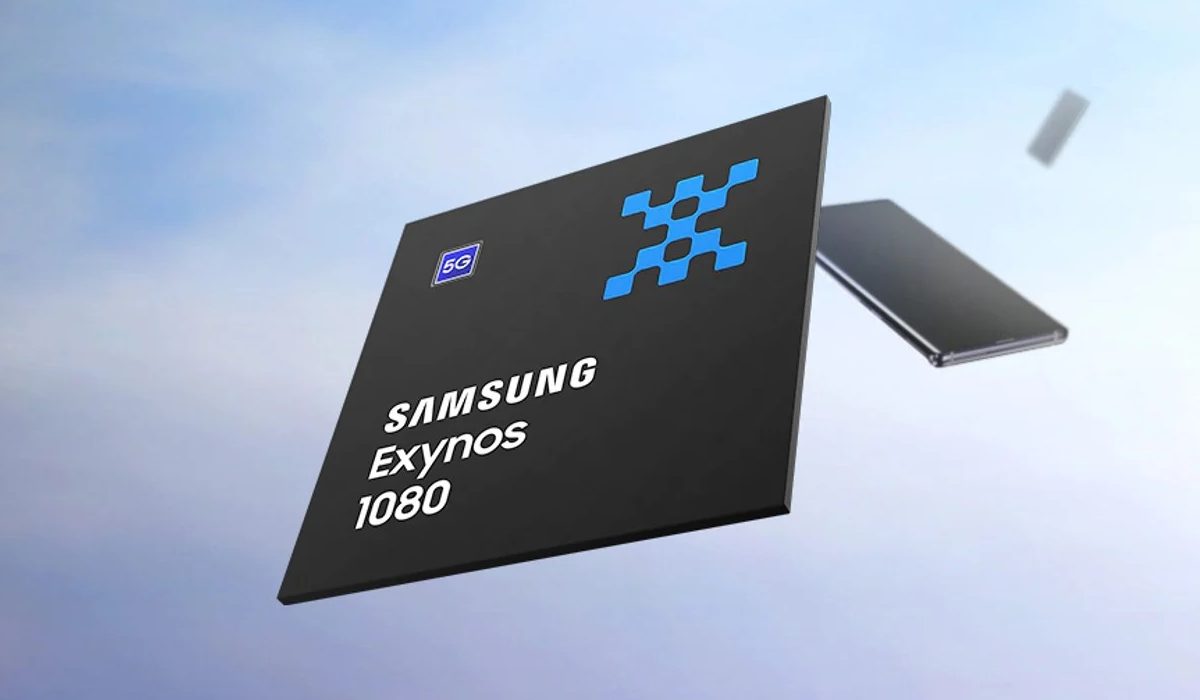
The Exynos 1080 features an octa-core CPU with a triple cluster design bringing four Cortex A-78 cores and four Cortex A-55 cores. The A-78 cores run at different frequencies, with the most powerful A-78 core running at 2.8GHz, while the other three A-78 units operate at 2.6GHz. The A-55 units all run at 2.0GHz.
Phones that have this chipset will also enjoy Cat.18 LTE downlink and uplink. This SoC also includes an onboard Neural Processing Unit (NPU) and digital sensor processor (DSP) which lets it run as many as 5.7 trillion operations per second.
On the display front, this new chipset is compatible with HDR 10+ and can handle displays with up to 90Hz refresh rate. It also offers support for full-HD displays with 144Hz refresh rate.
As earlier stated, the company has not revealed what smartphone(s) will wield this chipset. However, a number of reports, albeit unconfirmed, suggest that the Vivo X60 and X60 Pro smartphones may be powered by the Exynos 1080 SoC.
References
- Source ;
- Source .
Author:Alfa Baye
Staff Writer
Add MobilityArena as a preferred source on Google
For most of us, it is unusual to see a person who lives in the twenty-first century without a cell phone. It is an important part of many of our lives, so we can communicate with others faster. As such, we probably never give thought to the idea of alternatives to cell phones.
But in certain situations, you may find yourself without one. Whether there’s a natural disaster, or you just want to go hiking for the weekend, your cell phone service might not be available.
Luckily, there are ways to prepare for these situations and find a way around this! Here are the 5 best alternatives to cell phones, just in case.
Some Alternatives To Cell Phones
- HAM Radio
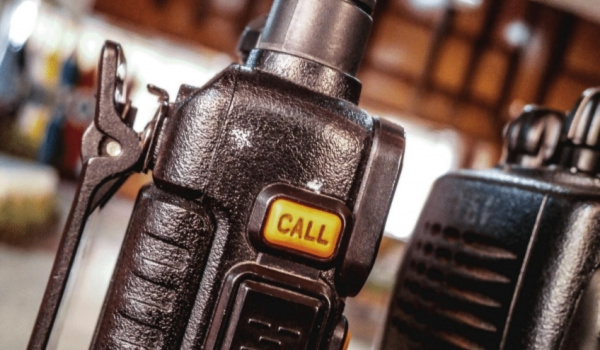
The HAM Radio (or amateur radio) is your best option in case of a natural disaster. Hospitals, shelters, fire departments, and FEMA all use these radios to communicate in such emergencies. You can use them to reach people all over the world.
The Federal Communications Commission, or FCC, regulates HAM radios. You must have a license to operate one of them. However, they are easy to purchase in stores or online at stores like Moonraker UK . Consider a handheld transceiver for its convenience and easy mobility.
- Walkie-Talkies
Walkie-talkies are short-ranged, battery-powered two-way radio. They can both send out and receive information, allowing one person to talk at a time. It’s perfect for hiking trips or family vacations where parents would like to easily talk to their kids. Many stores even sell walkie-talkies designed for children.
Instead of using satellite or GPS to work, walkie-talkies use single frequency wireless signals. That’s why you’re able to use them regardless of where you are. As long as all the devices share the same channel, you’ll be able to talk freely.
- Family Radio Service
The Family Radio Service, or FRS, is essentially an upgraded version of a walkie-talkie. The difference is, there are specific frequencies which the Federal Communications Commission designates for the FRS. This means no pesky interference with local radio stations or CB radios.
Be sure to be realistic about the range on your FRS radio. Trees and tall structures like buildings can limit your circle of communication. Under normal circumstances, with few obstructions, these devices may be able to reach 0.5 to 1.5 kilometers away.
- General Mobile Radio Service
The General Mobile Radio Service, or GRMS, is similar to the FRS. They both use the same FM frequency. However, GRMS has the capability for much more power than the FRS. It contains access to more channels, and has a wider range of communication. If you want the comfort that a more powerful device provides, this is probably the right option for you.
- Morse Code
It may seem ridiculous to think at first, but morse code can be a lifesaver in an emergency! It’s a series of taps and pauses that can be communicated in many ways. Tapping a wall or flashing a series of lights can send a signal to others if you have no other form of communication.
In Conclusion
If you find yourself without reception, these are the 5 best ways to get in touch with others without one. Even if you have to get a license for any of these options, it’s worth it knowing you’ll be able to talk to your people at any given time. Whether storming or hiking, you can depend on HAM radios, walkie-talkies, and even learning Morse code.
No matter what you choose, make sure the people who have these devices know how to use them properly. You and your friends and family should go over an emergency plan, practicing drills if necessary. Having a backup plan or two never hurts, either! Just remember, always prioritize safety first.
