Add MobilityArena as a preferred source on Google
Today’s comparison gives us the gift of a sibling rivalry, as we have a Samsung Galaxy A20s vs Samsung Galaxy M31 match-up. Though both devices are from different time periods, they do serve up a number of interesting specs which we take a closer look at soon.
Pitting two Samsung smartphones against each other offers up an opportunity at an interesting comparison, giving us a chance to see what both smartphones really wield under their wonderful designs.
Today, we have the Samsung Galaxy A20s against the Samsung Galaxy M31 . This match-up pitches two solid mid-range devices that launched in different years, with the A20s launching in September of 2019, while the M31 was released in March of 2020.
In this battle, we start our comparison by pointing out the specifications on both smartphones in a side-by-side manner.
Samsung Galaxy A20s vs Samsung Galaxy M31 Comparison Table
Here, we take a keen look at what both smartphones have to offer us.
| Samsung Galaxy A20s | Samsung Galaxy M31 |
|---|---|
| 2G, 3G, 4G | 2G, 3G, 4G |
| 6.5 inches, 720 × 1560 pixels, 19.5:9 aspect ratio, IPS LCD display | 6.4 inches, 720 × 1600 pixels, 19.5:9 aspect ratio, Super AMOLED display |
| Android 9 Pie + One UI | Android 10 + One UI 2.0 |
| Octa-core Qualcomm Snapdragon 450 (14nm), 1.8GHz | Octa-core Exynos 9611 (10nm), 2.3GHz |
| 8MP selfie camera | 32MP selfie camera |
| 13MP + 8MP + 5MP triple rear cameras with LED flash | 64MP + 8MP + 5MP + 5MP quad rear cameras with LED flash |
| 32/64GB internal storage + dedicated microSD card slot up to 512GB | 64/128GB internal storage + dedicated microSD card slot up to 512GB |
| 3/4GB RAM | 4/6GB RAM |
| 4,000mAh battery with 15W fast charge | 6,000mAh battery with 15W Fast charge |
| ₦55,500 | ₦79,000/₦84,360 |
Samsung Galaxy A20s vs Samsung Galaxy M31: Where The A20s Gains The Advantage
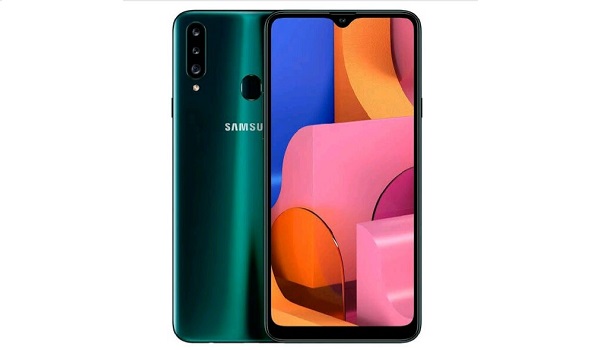
The A20s is a cheaper smartphone that also brings a slightly larger display to the fore, with a 6.5-inch IPS LCD display.
It also offers a number of different storage variants, with two different RAM options and onboard storage options for users.
This smartphone supports high data transfer speeds (4G connectivity) and offers a battery pack with fast charging technology.
The A20s offers solid mid-range specs at a competitive price for prospective buyers.
Samsung Galaxy A20s vs Samsung Galaxy M31: Where The Galaxy M31 Gains The Advantage
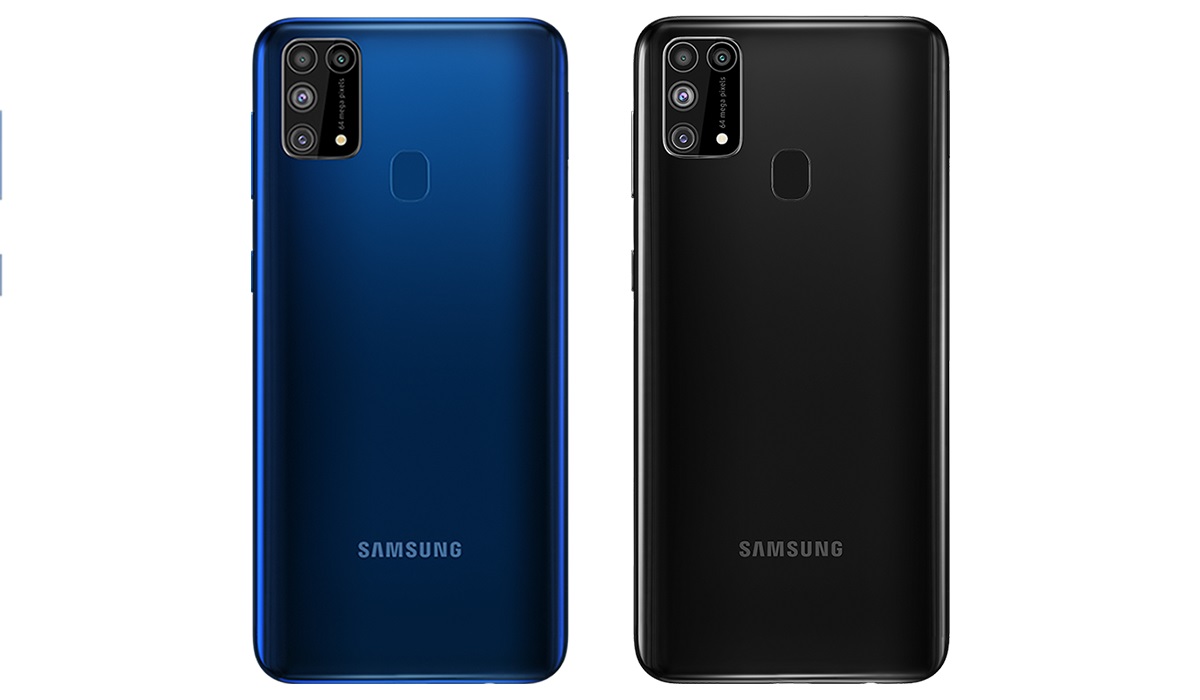
The Galaxy M31 brings a newer OS with a fresher UI to the fore. Under the hood, the Exynos 9611 offers faster processing speeds than its sibling, meaning that this smartphone should run more smoothly than the A20s.
In the camera department, it boasts more cameras (with an extra sensor in the back) with great looking numbers. However, these “numbers” do not necessarily guarantee a better photography experience than the more popular A20s.
The M31 brings a massive battery with fast charging technology to the fray, letting users enjoy extended screen time on this smartphone. It also brings 4G technology to the table and is available in different RAM variants.
Samsung Galaxy A20s vs Samsung Galaxy M31: Which Of These Devices Should You Go With?
This head-to-head has shown us what both smartphones really offer beneath their plastic builds. Now, the question we’ve all been looking to ask pops up… which of these Samsung smartphones should you go for?
The A20s is a far cheaper option than its sibling, offering less RAM and onboard storage as the M31 but featuring the same external storage space. It also has a slightly larger display than the M31.
The M31 brings a stronger battery to the party. It also has a better performing chipset with faster processing speeds under the hood. It has a fresher OS (Android 10) taking care of software needs, while in the camera department, it features an extra rear sensor in its camera outlay.
At the end of a rather lopsided comparison, the younger M31 easily bests the more popular A20s. Although it costs far more than the A20s, it offers good value for the money and makes a wonderful option for prospects who’d prefer something slightly newer.
Author:Alfa Baye
Staff Writer
Add MobilityArena as a preferred source on Google
Samsung has unveiled its Exynos 1080 SoC as a 5nm EUV (extreme ultraviolet) process-based chip that offers 5G support. This chipset is viewed as the successor to the Exynos 980 which launched with an integrated 5G modem. The octa-core processor has a 4+3+1 core configuration and a rather high display refresh rate.
This chipset is tipped to support a 200-megapixel sensor, and at 5nm, it joins Apple’s A14 chipset (which runs the iPhone 12 ) in a league of really small SoCs. As at the time of this report, there is no confirmation yet regarding what smartphone this mid-range SoC will launch with.
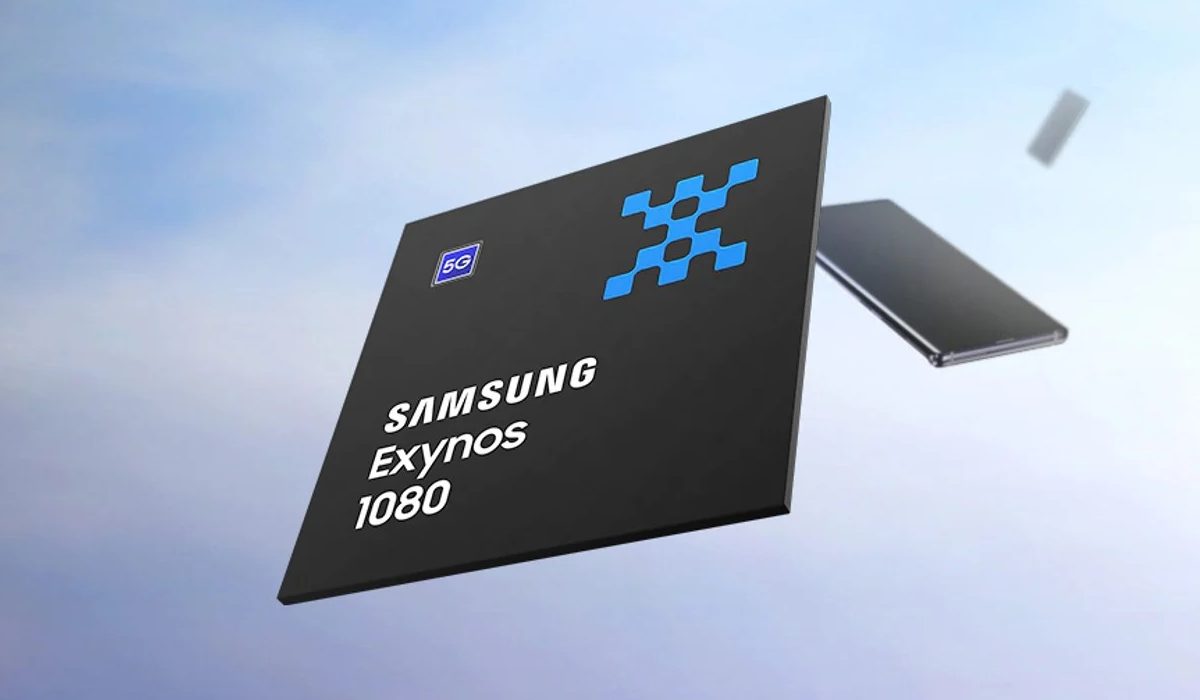
The Exynos 1080 features an octa-core CPU with a triple cluster design bringing four Cortex A-78 cores and four Cortex A-55 cores. The A-78 cores run at different frequencies, with the most powerful A-78 core running at 2.8GHz, while the other three A-78 units operate at 2.6GHz. The A-55 units all run at 2.0GHz.
Phones that have this chipset will also enjoy Cat.18 LTE downlink and uplink. This SoC also includes an onboard Neural Processing Unit (NPU) and digital sensor processor (DSP) which lets it run as many as 5.7 trillion operations per second.
On the display front, this new chipset is compatible with HDR 10+ and can handle displays with up to 90Hz refresh rate. It also offers support for full-HD displays with 144Hz refresh rate.
As earlier stated, the company has not revealed what smartphone(s) will wield this chipset. However, a number of reports, albeit unconfirmed, suggest that the Vivo X60 and X60 Pro smartphones may be powered by the Exynos 1080 SoC.
References
- Source ;
- Source .
Author:Alfa Baye
Staff Writer
