Add MobilityArena as a preferred source on Google
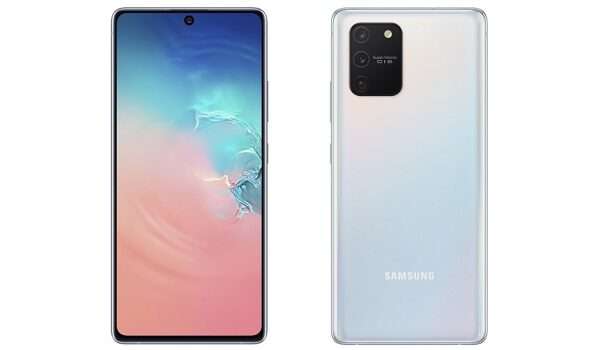
Samsung Galaxy S10 Lite is an Android 10 smartphone with a 6.7-inch Super AMOLED display, Qualcomm Snapdragon 855 chipset, 32MP selfie camera, 48MP triple camera, up to 8 GB RAM, 128 GB internal memory, and a 4500 mAh battery.
Samsung has added a late entry to the Galaxy S10 series. Samsung Galaxy S10 Lite is priced below the Galaxy S10e and should be an even more successful sell in the market. It brings some updates to the table, though, including 45W fast charging.
Samsung Galaxy S10 Lite Specs and Features
Mobile Wireless Network and Software
- 2G mobile network bands : GSM, GPRS, EDGE 850 / 900 / 1800 / 1900 MHz.
- 3G mobile network bands : UMTS, WCDMA, HSDPA 850 / 900 / 2100 MHz
- 4G mobile network bands : LTE 1(2100) / 3(1800) / 5(850) / 40(2300) / 41(2500)
- 5G mobile network bands : No.
- SIM Type : Nano-SIM, Dual SIM
- Software / OS : Android 10 + One UI 2.0
Design, Form Factor, Appearance
- Dimensions : 157.2 X 76.25 X 8.05 mm
- Weight : g
- Display : 6.7 inches, 1080 x 2400 pixels,20:9 aspect ratio, Super AMOLED curved glass screen, with Always-On display.
- Colours : Prism White. Prism Black. Prism Blue.
- Physical Build : Glass and aluminium.
Internal Hardware Specs
- Processor Type : 64-bit, 2.84 GHz Octa-core, Kryo 485
- Processor Name : Qualcomm Snapdragon 855
- Graphics Processor : Adreno 640
- RAM : 6 GB / 8 GB
- Internal Storage : 128 GB
- External Storage : microSD, up to 1TB (dedicated slot)
Photography, Video Recording
- Rear Triple Camera : 48MP + 12 MP ultrawide f/2.2 aperture + 5 MP dedicated macro snapper f/2.4 aperture; LED flash, 1080p@30fps video recording, Super Steady OIS.
- Front-facing Camera : 32MP, f2.2 Aperture, AI Face Recognition, 1080p@30fps video capture.
Audio, Video Playback
- Music Support : PCM, AAC / AAC + / eAAC + / MP3 / AMR – NB / WB / APE
- Audio : No audio jack port.
- Loudspeaker : Mono speakers
- Video Support : H.264/MP4/MPEG4 player
- FM Radio :
Phone Sensors
- Digital Compass : Yes.
- Accelerometer : Yes.
- Proximity Sensor : Yes.
- Ambient Light Sensor :
- Barometer : No.
- Pedometer : No.
- Heart Rate Monitor : No.
- Gyroscope (G-Sensor) : Yes.
- Fingerprint Scanner : Yes.
- Face Unlock : Yes.
- Iris Scanner : No.
- Motion Sensing / Gesture Control : No.
- Voice Control : No.
- Intelligent Digital Assistant : Yes; Google Assistant, Bixby.
- Infra-red Sensor : No.
Connectivity Options
- Bluetooth : v5.0, A2DP
- WiFi : Wi-Fi 802.11 a/b/g/n/ac, hotspot
- GPS : Yes, A-GPS, GLONASS, BDS
- USB : microUSB v2.0; USB-C.
- NFC : Yes.
Miscellaneous Specs and Features
- Battery Type and Capacity : Non-Removable Lithium-Polymer 4500 mAh
- Battery Charging : 25W Fast Charging
- Wireless Charging :
- Reverse Charging : No.
- Model Number :
Samsung Galaxy S10 Lite Price and Release Date
- Announced : January 2020
- Release Date : March 2020
- Country Availability : Global.
- Price : Rs. 39,999 / $560 / €649. At current exchange rate, this should amount to about ₦250,000. It is likely to sell for lower, though.
MobilityArena Buyer’s Guide Verdict
Not available.
Our Buyer’s Guide Verdict is recommendation that we make based on our evaluation the specs of the device. It is a general guide designed to help you understand how much value a smartphone offers for its price. It is not a stamp of quality assessment or an endorsement of the device or of the manufacturers. Be sure to ask questions and use your judgement when buying any device, as MobilityArena may not be held responsible for your buying decisions .
Samsung Galaxy S10 Lite Review Rating
We are yet to review the Samsung Galaxy S10 Lite and so do not have a review rating for it yet. This section will be updated with our review rating and a link to the review page, as soon as we have a review ready.
- Don’t miss our reviews .
- Follow our news on Google News .
- Join our WhatsApp Group , to be notified of the most important articles and deals,
- Follow us on Instagram , Facebook , Twitter , and YouTube .
Author:InfoDesk
Add MobilityArena as a preferred source on Google
Starting with Apple iPhone 12 Pro Max , newer Apple iPhone models are being fitted with a new image stabilization technology called sensor-shift image stabilization (SSIS). Some also call it “sensor shift OIS”. What is this new tech, how does it work, and what benefits does it bring?
First, the way image stabilization in smartphone cameras has been done till now is optical. Remember the term, Optical Image Stabilization (OIS)? Tons of phones use that to keep things smooth during image and video capture.
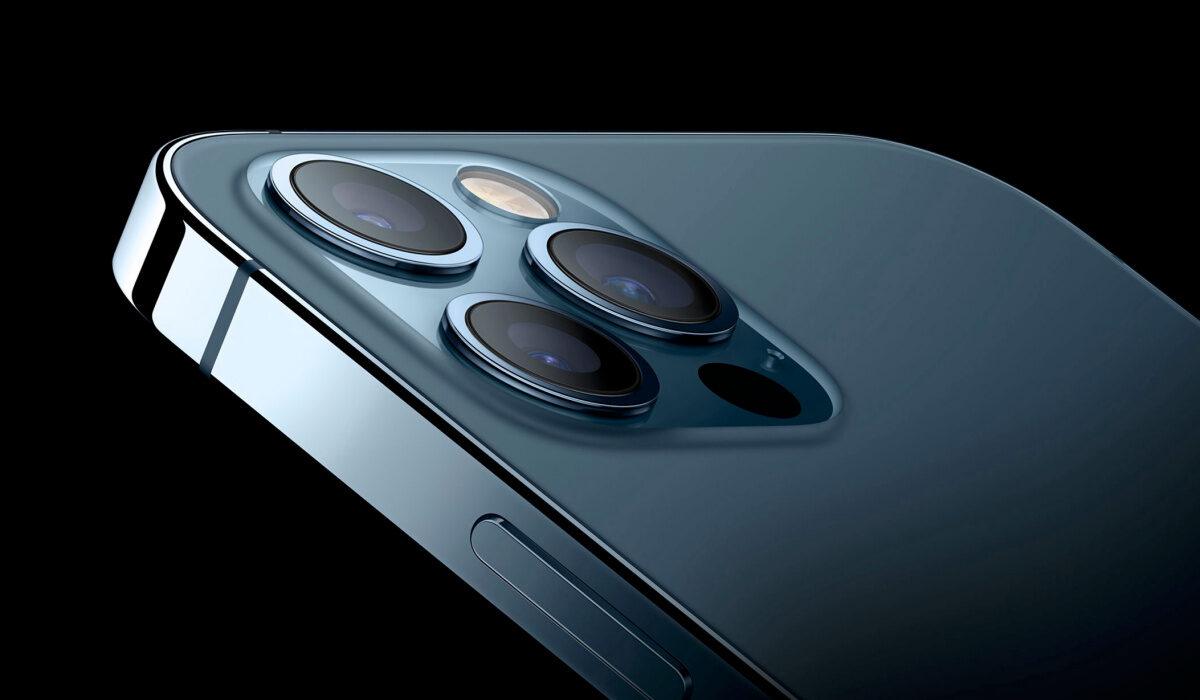
The iPhone 12 Pro Max camera was the first phone with sensor-shift image stabilization
Sensor-shift image stabilization is a departure from the optical system. Both systems harness the power of the accelerometer such that whenever there is a shake or jerk while in use, the camera moves (or shifts/adjusts) in real time to counteract those and leave the sensor stationary in relation to the image. However, SSIS and OIS utilize the principle differently.
- Sensor-Shift Image Stabilization vs Optical Image Stabilization
- Benefits of Sensor-shift image stabilization
- Cons of sensor shift stabilization
- The first phone with sensor shift image stabilization
- The first Android phone with Sensor Shift Image Stabilisation
Sensor-Shift Image Stabilization vs Optical Image Stabilization
- With optical image stabilization (OIS), the lens unit of the camera moves around, with the help of magnetic elements, and is capable of moving up to 1,000 times a second.
- With sensor shift stabilization, instead of the lens unit moving, it is the sensor that moves around, and is able to move much faster than the lens does in OIS. Sensor shift lens movement is up to 5,000 movements per second.
Benefits of Sensor-shift image stabilization
The sensor in a camera is smaller and lighter than the lens. Because the movements or adjustments that happen in sensor shift image stabilization are more precise – involving only the sensor – the system is able to produce better results.
The sensor-shift system is said to be particularly beneficial for low-light photography where a tripod or other stand is not available. Sensor-shifting image stabilization could also result in better shots with attachable lens accessories.
If OIS is able to make 1,000 adjustments per second and SSIS is able to make 5,000, does it mean that cameras that use the latter produce photos with five times smoothness than those that use OIS? Not at all; that isn’t how things work out. The difference in results are there to see, but they are definitely massive differences.
Cons of sensor shift stabilization
Adding any form of stabilization to a smartphone camera comes with an extra layer of costs, and so adding to the price of the device. As such, SSIS is seen only in devices above a certain price point. It will take a while for the costs to drop enough to the point where we will have sensor shift camera phones in the more affordable end of the market.
The first phone with sensor shift image stabilization
In 2020, Apple introduced sensor-shift image stabilization system in the iPhone 12 Pro Max model only. It was not included in the other iPhone 12 models. However, in 2021, all the iPhone 13 models were equipped with the new technology.
The first Android phone with Sensor Shift Image Stabilisation
Since the introduction of the technology by Apple in 2020, other phone brands have not been quick to embrace it, so there isn’t a list to run yet. However, at least two Android phone brands have adopted it, with good results.
The first Android phone with Sensor-shift OIS was the Oppo Find X5 Pro, released in March 2022. It was fitted with 3-axis sensor-shift, though it also included 2-axis lens-shift. Because of this hybrid image stabilization system, the Find X5 Pro isn’t exactly regarded as the first Android phone with sensor shift OIS.
TECNO Camon 20 Premier was announced and released in 2023, and it was the second Android phone with sensor shift image stabilization and the first to use it exclusively. See the TECNO Camon 20 Premier 5G review . You can also watch the YouTube video review here .
- Don’t miss our mobile phone reviews .
- Follow our news on Google News .
- Follow us on Instagram , Facebook , Twitter , and YouTube .
Author:MobileChic
That motivated, gadget-loving geeky chic who tries to stay on top of things. Unapologetic iFan.
