Add MobilityArena as a preferred source on Google
4K video is higher resolution video that can be best appreciated on the most advanced television, laptop, and smartphone screens. The S23 is one of the Samsung phones that can record 4K video and I have been using one for a while now. How do I record 4k video on my Samsung S23? When I first opened the camera, switched to video mode, I saw an “FHD 30” label displayed at the top of the video camera interface. I tapped on it and it displayed a total of six options, none of which said 4K. What is this? Reading up a bit solved the problem for me.
Two of those options had an “UHD” label. UHD (Ultra High Definition) is the technical term for 4K video. The S23 has two 4k video options: it can record 4k video at 60 frames per second (fps) or at 30 frames per second. That is why you will see UHD 60 and UHD 30 as options. Tap whichever you prefer to select it. Now you can start recording.
Samsung has hundreds of models selling in the United States, the United Kingdom, Canada, Australia, and in every country possible on the face of the earth. Only a few of them have the capability to record 4K video. To make things easier for you, I looked at the most recent models spanning 2022 and 2023, and drawn up three different lists of Samsung phones that can record 4K video – the very latest (released in 2023), the premium flagship models, and for budget hunters, the budget list.
- Latest Samsung Phones That Can Record 4K Video
- Premium Samsung Phones That Can Record 4K Video
- Budget Samsung Phones That Can Record 4K Video
- 4K video recording: 60 fps vs 30 fps
- The cheapest Samsung phone with 4k 60fps
- What was the first phone with 4K video recording?
- What phones have 4K video?
- Is 4K video the best quality?
Latest Samsung Phones That Can Record 4K Video
This list covers Samsung phones that can record 4K video that were released in 2023 only. They are the very latest. And you will find both premium flagship and budget models listed here. This list is for you if you want a model that was released this year.
- Samsung Galaxy S23 Ultra : this is the best phone for 4K video recording from Samsung, so if you are looking for the best option, just buy this.
- Samsung Galaxy S23+
- Samsung Galaxy S23 (read our S23 review )
- Samsung Galaxy Fold5
- Samsung Galaxy Z Flip5
- Samsung Galaxy A54
- Samsung Galaxy A34
- Samsung Galaxy F54
- Samsung Galaxy M54
Premium Samsung Phones That Can Record 4K Video
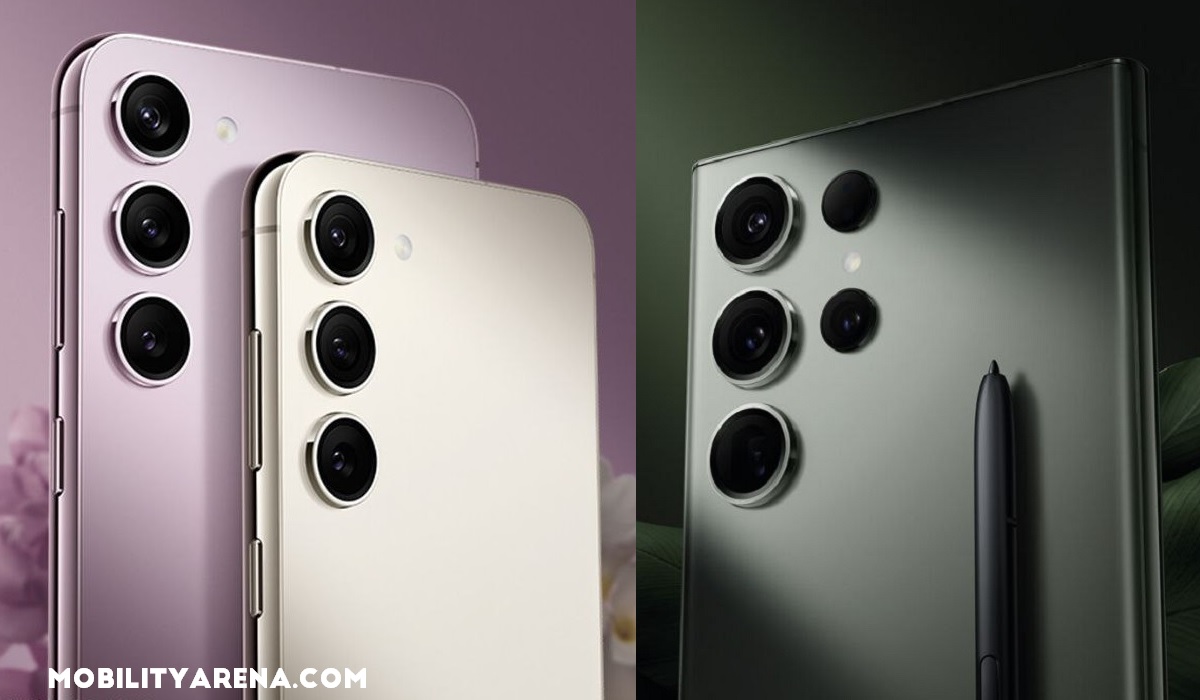
The S23 models are premium flagship Samsung phones with 4K video recording
Now, if you want a premium flagship Samsung phone that can record 4k video, and you don’t mind whether it is this year’s model or last year’s, this list presents you options to pick from.
- Samsung Galaxy S23 Ultra
- Samsung Galaxy S23+
- Samsung Galaxy S23
- Samsung Galaxy Z Fold5
- Samsung Galaxy Z Flip5
- Samsung Galaxy Z Fold4
- Samsung Galaxy Z Flip4
- Samsung Galaxy S22 Ultra 5G
- Samsung Galaxy S22+
- Samsung Galaxy S22
Budget Samsung Phones That Can Record 4K Video
This third list is for you if you want a Samsung smartphone that can do 4K video recording without wanting to spend more than about five hundred dollars. It includes budget Samsung phones released in both 2022 and 2023.
- Samsung Galaxy A54
- Samsung Galaxy A34
- Samsung Galaxy S21 FE 5G
- Samsung Galaxy F54
- Samsung Galaxy A73 5G
- Samsung Galaxy A53 5G
- Samsung Galaxy A33 5G
- Samsung Galaxy M54
- Samsung Galaxy M53
- Samsung Galaxy M33
- Samsung Galaxy F23
- Samsung Galaxy M23
- Samsung Galaxy Xcover6 Pro
- Samsung Galaxy S20 FE 2022
4K video recording: 60 fps vs 30 fps
Not every phone with 4K video recording has the 60 fps option. The more budget the phone is, the less likely it will have that option. It will likely only have 4K video at 30 fps.
if your phone has both options, choose 60 fps. Why? Generally speaking, 60fps provides better quality and watching experience, smoother viewing, and it has the most flexibility as well for post production. If you shoot your video at 60 fps, you can manipulate it for use in a 30 fps production, but you cannot upgrade a 30 fps video for use in a 60 fps project.
So, if you get a Samsung phone that can record 4k video and it has both 60fps and 30fps options, record at 60fps.
The cheapest Samsung phone with 4k 60fps
As far as I can tell, the cheapest Samsung phone with 4K at 60 fps is the Galaxy S21 FE 5G , released in 2022.
What was the first phone with 4K video recording?
The first 4k camera phone ever was the Acer Liquid S2 released ten years ago in 2013. Since then, every major smartphone brand has jumped on the train.
What phones have 4K video?
It is difficult to list all phones with 4k video recording in this article, but I can give you clear instructions. When hunting for a 4K camera phone, look at the high-end models from each manufacturer, whether it is Motorola, Google Pixel, Apple iPhone, OnePlus, Nokia, BLU, or some other brand. The best video recording features are found in the upper echelon of models.
Is 4K video the best quality?
Once upon a time, it was. Unfortunately, that time is in the past. 8K video is currently the highest resolution for video recording on smartphones. Of all the Samsung phones that can record 4K videos listed on this page, the three Samsung Galaxy S23 models, all the three S23 models, as well as Fold5 and Flip5 models also have 8K video recording . There are already phones from other brands that have 8K video recording as well.
I hope this article has helped you understand 4K video recording better and also helped you with shopping for a 4k camera phone from Samsung. All the best, and let me know if I can answer any questions you may have.
Author:Mister Mobility
Digital Skills and Communication Coach | Mobile Phone Connoisseur since 2001 | Tech Blogging since 2004
Add MobilityArena as a preferred source on Google
I have been itching to do an article of this sort exploring the multiple dimensions of mobility, as that is the scope of this website, MobilityArena. For some reason, I held back, perhaps because it is a departure from our traditional content style. Anyway, I finally got to doing it.
Mobility generally refers to the ability to move or be moved freely and easily. In the context of human beings, mobility can refer to physical movement such as walking, running, or cycling , as well as the ability to travel from one place to another using various modes of transportation such as cars, buses, trains, or planes. In the context of technology, mobility can refer to the ability of devices such as smartphones, laptops, or tablets to be used and accessed from anywhere, without being tied to a specific location.
The Importance Of Mobility In Our Lives
Mobility is important in daily life for several reasons. Firstly, physical mobility allows individuals to perform daily activities such as walking, running, and carrying out household chores. It also helps individuals maintain their independence and autonomy as they age.
Secondly, transportation mobility enables individuals to travel to work, school, and other important destinations. This can improve access to healthcare, education, and job opportunities, among other things.
Thirdly, device mobility means that we can stay connected and stay productive without being tied to one location. This has a massive ripple effect on our lives, as we can be more flexible with our schedules, especially for work, but also for other things.
Finally, mobility can have positive impacts on mental health by reducing stress and improving mood. Let’s face it, mobility is essential for maintaining physical and mental well-being, as well as for participating fully in social and economic activities. Life is mobility. Mobility is life.
Factors Affecting Physical Mobility

There are several factors that can affect physical mobility. These include:
- Age : As individuals age, their muscles, bones, and joints may become weaker, stiffer, or more prone to injury, which can affect their ability to move freely and easily.
- Health conditions : Certain health conditions such as arthritis, Parkinson’s disease, stroke, or spinal cord injuries can affect physical mobility by causing pain, weakness, or paralysis.
- Obesity: Excess weight can put strain on joints and muscles, making it more difficult to move around.
- Lifestyle factors : Sedentary lifestyle habits such as sitting for long periods of time or lack of exercise can weaken muscles and reduce flexibility, which can affect physical mobility.
- Environmental factors : Physical mobility can also be affected by environmental factors such as uneven surfaces, stairs, or lack of accessibility features in buildings and public spaces.
- Mental health : Mental health conditions such as depression or anxiety can also affect physical mobility by reducing motivation and energy levels.
- Genetics : Some individuals may be genetically predisposed to certain conditions that affect physical mobility, such as muscular dystrophy or multiple sclerosis.
Types Of Transportation Mobility
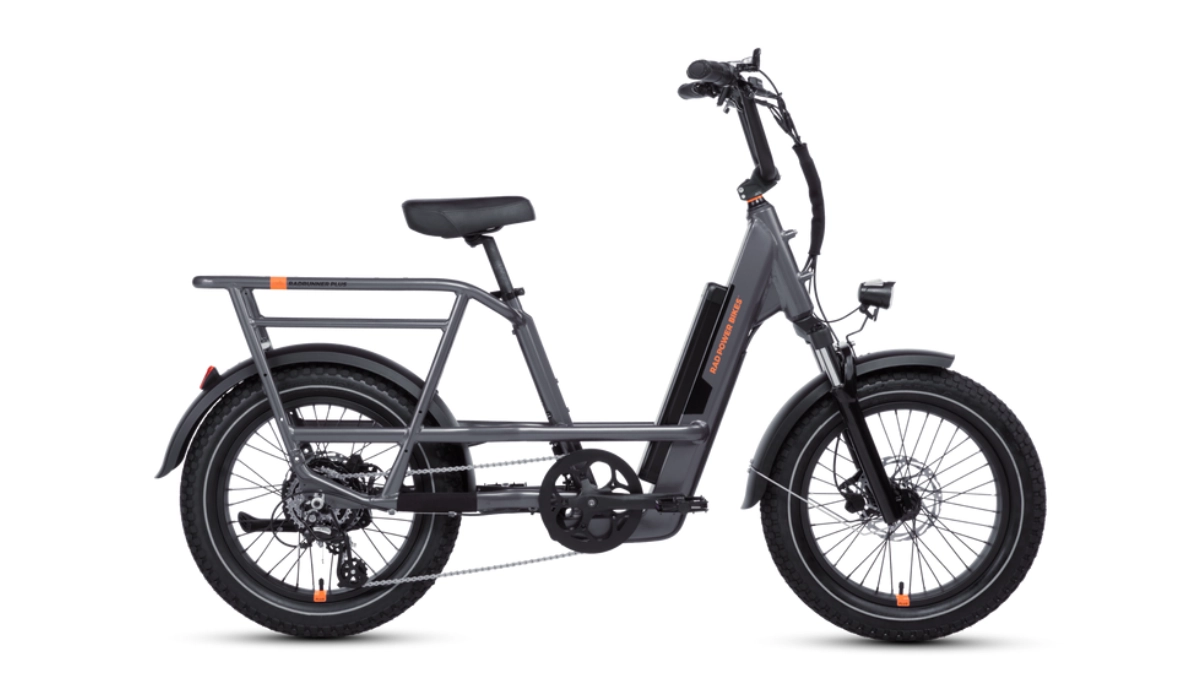
There are several types of transportation mobility , each with its own advantages and disadvantages. These include:
- Personal vehicles (cars, motorcycles, etc.): Personal vehicles offer the convenience of being able to travel directly from one destination to another, without having to rely on public transportation schedules or routes. They also offer privacy and flexibility in terms of travel times and destinations. However, personal vehicles can be expensive to purchase and maintain, and they contribute to traffic congestion, air pollution, and carbon emissions.
- Public transportation (buses, trains, subways, etc.): Public transportation is often more affordable than personal vehicles, and it can be more environmentally friendly by reducing traffic congestion and air pollution. It also offers the opportunity for social interaction and reduced stress by allowing individuals to relax or work during their commute. However, public transportation schedules and routes may not always be convenient, and it may require walking or transferring between modes of transportation.
- Bicycles : Bicycles are a cost-effective and environmentally friendly mode of transportation that also offer physical exercise and health benefits. They can be used for short trips or longer distances, depending on the individual’s fitness level and the terrain. However, bicycling may not be practical in certain weather conditions or on busy roads, and it may require additional safety equipment such as helmets and reflective clothing.
- Walking : Walking is a simple and affordable mode of transportation that also offers health benefits such as improved cardiovascular health and weight management. It can also be a way to explore and appreciate the local environment. However, walking may not be practical for longer distances or in certain weather conditions, and it may require additional safety precautions such as wearing comfortable shoes and reflective clothing.
- Ride-sharing services (Uber, Lyft, etc.): Ride-sharing services offer the convenience of personal vehicles without the expense of owning and maintaining a car. They can also reduce traffic congestion and emissions by reducing the number of cars on the road. However, ride-sharing services may be more expensive than public transportation, and they may not be available in all areas.
Types Of Device Mobility
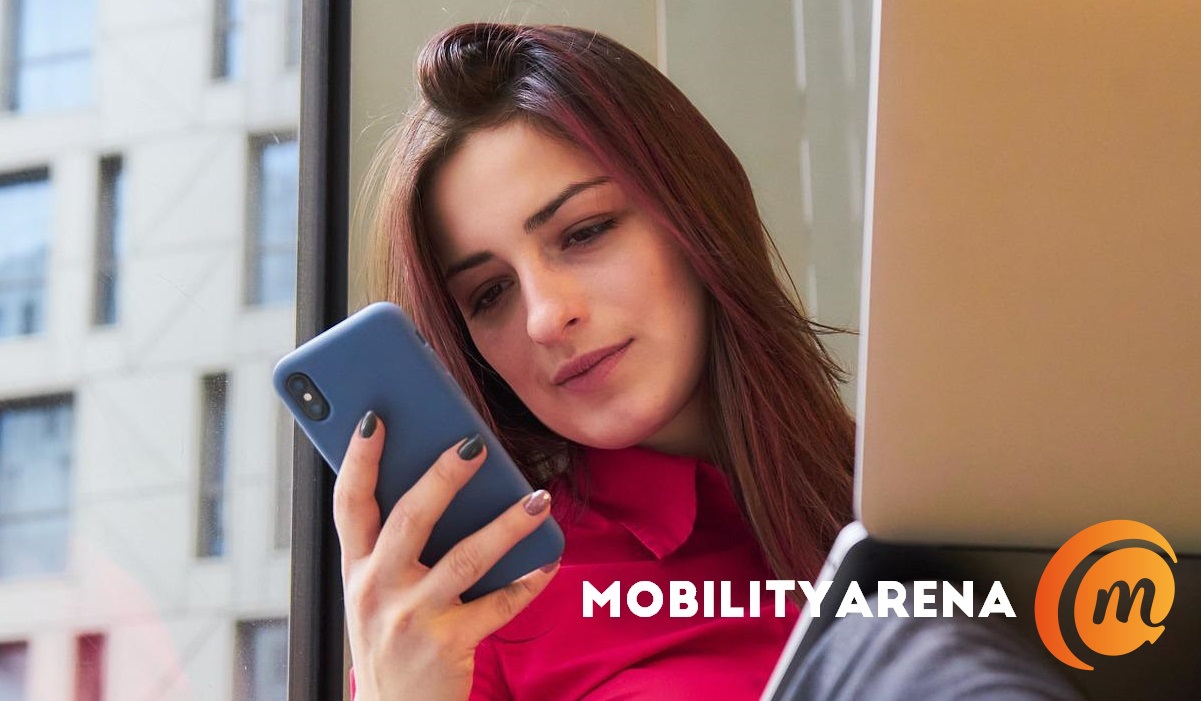
Let’s look at the types of device mobility, as well as their advantages and disadvantages:
- Laptops : Laptops are portable computers that offer the convenience of being able to work or access the internet from anywhere. They also offer more processing power and storage capacity than many other types of mobile devices. However, laptops can be heavy and bulky, and their batteries may not last as long as other mobile devices.
- Smartphones : Smartphones are small, handheld devices that offer a wide range of features such as calling, texting, email, internet browsing, and app usage. They are highly portable and offer long battery life, making them ideal for on-the-go use. However, their small screens and keyboards may not be as comfortable for extended use, and they may be more prone to theft or loss.
- Tablets : Tablets are larger than smartphones but smaller than laptops, offering a balance between portability and functionality. They are ideal for activities such as reading, watching videos, or browsing the internet, and they offer longer battery life than laptops. However, their processing power and storage capacity may be more limited than laptops, and their screens may be too small for extended work or productivity tasks.
- Wearable devices : Wearable devices such as smartwatches or fitness trackers offer the convenience of being able to access information or track fitness goals without having to carry a separate device. They are highly portable and offer long battery life, making them ideal for continuous use. However, their screens and input methods may be limited, and they may not offer the same level of functionality as other types of mobile devices.
The future of mobility
The future of mobility is likely to be shaped by several key trends, including:
- Autonomous driving : The development of autonomous driving technology is expected to revolutionize transportation by reducing the need for human drivers and improving safety, efficiency, and accessibility.
- Electrification : The shift towards electric vehicles is expected to continue, driven by concerns about climate change and air pollution, as well as improvements in battery technology and charging infrastructure.
- Connectivity : The integration of vehicles with digital and mobile technology is expected to improve the driving experience by providing real-time information and personalized services.
- Shared mobility : The sharing economy is expected to continue to grow, with more people opting to use shared transportation services such as ride-sharing, car-sharing, or bike-sharing, rather than owning their own vehicles.
The future of mobility is likely to be characterized by a shift towards more sustainable, efficient, and connected transportation solutions that are designed to meet the needs of a rapidly changing world. All of these will change how we move and work and play. Whether it is physical, transportation, or device, mobility will continue to shape our present and future.
Introducing Automobility
You can enjoy rich, detailed content about ICE and electric vehicles on our sister website, Automobility.site .
Author:Mister Mobility
Digital Skills and Communication Coach | Mobile Phone Connoisseur since 2001 | Tech Blogging since 2004
