Add MobilityArena as a preferred source on Google
In 2012, SCHOTT, a German technology enterprise, pioneered the development of Xensation Cover Glass, a sturdy alumino-silicate protective glass for smartphones, known for its break and scratch resistance. Although Corning’s Gorilla Glass is more widely acknowledged, SCHOTT Xensation has made significant strides with an array of leading smartphone manufacturers embracing this innovation.
Brands such as OnePlus, Vivo, Fero, Huawei/Honor, and OPPO have all integrated Xensation Glass into their smartphone designs. Acting as a robust shield, this cover glass provides exceptional protection to the display screen and other essential components, greatly reducing potential damage from incidental drops or mishaps.
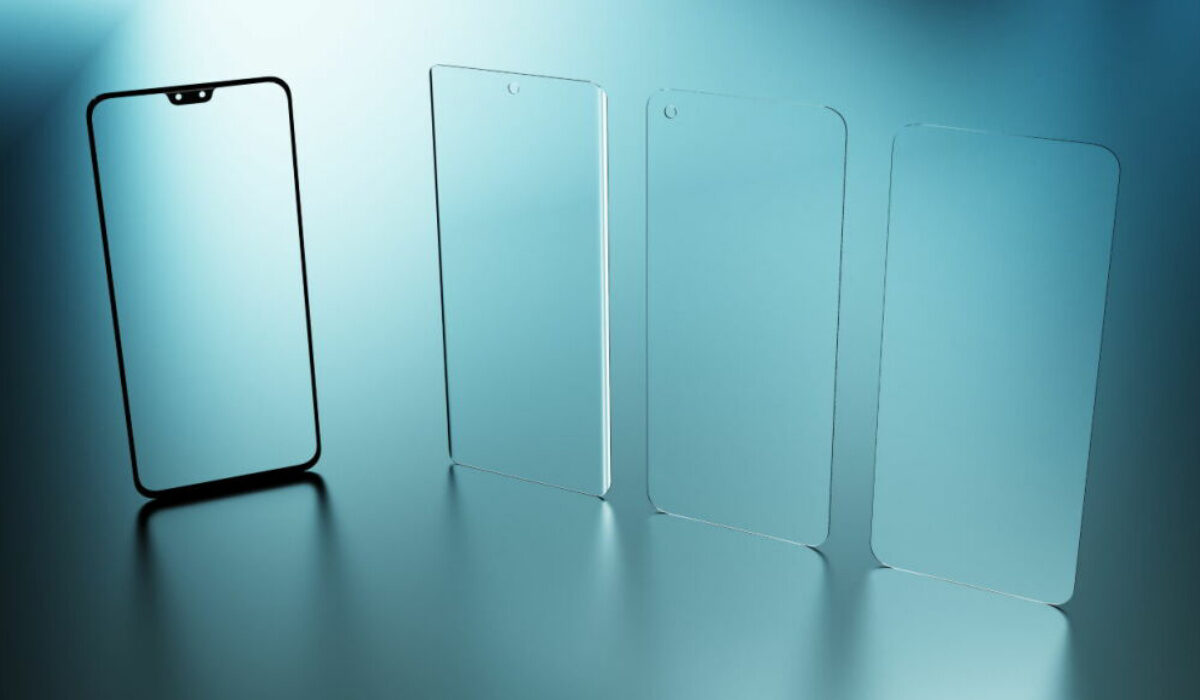
Over time, SCHOTT has diversified its offer by creating different versions of Xensation Glass like the Alpha, Flex, 3D, and Up versions catering to varying models and requirements, including devices with foldable screens. Despite the entrenched position of Gorilla Glass, SCHOTT’s contention is that its Xensation Glass surpasses the performance of its counterpart, providing enhanced protection to today’s smartphones.
- What is a smartphone cover glass?
- Which country is Gorilla Glass from?
- The Comparison Xensation vs Gorilla Glass: Is Xensation Glass better than Gorilla Glass?
- Gorilla Glass Versions
- SCHOTT Xensation Cover Glass Versions SCHOTT Xensation Alpha (α) SCHOTT Xensation Flex SCHOTT Xensation 3D SCHOTT Xensation Up
- SCHOTT Xensation Up vs Gorilla Glass: How they compare
- Smartphones that use SCHOTT Xensation Cover Glass
- Xensation Glass Alternatives
What is a smartphone cover glass?
The smartphone cover glass refers to the physical glass that shields the display screen. Its purpose is to safeguard the screen from damage in case of accidental drops. These cover glasses serve the function of protecting both the front and back panels of the smartphone, as well as the cameras.
Examples of smartphone cover glass include Gorilla Glass and Xensation Glass. There are others as well.
Which country is Gorilla Glass from?
Gorilla Glass is a product developed and manufactured by Corning Incorporated, an American multinational technology company. Corning is headquartered in Corning, New York, United States. Therefore, Gorilla Glass is a product of the United States. The actual manufacturing happens in Asia, though.
The Comparison
Corning’s Gorilla Glass is the most widely used protection on smartphone screens globally. As such, it has become a standard of some sort. However, SCHOTT claims that its Xensation Glass is stronger, tougher, and offers more protection than Gorilla Glass does. Those claims are difficult to verify. We would have to setup numerous controlled experiments and drop tests to do that. I have searched for any such tests and have yet to find them. At this point, it is SCHOTT’s word against Corning’s.
Xensation vs Gorilla Glass: Is Xensation Glass better than Gorilla Glass?
I do not know which is better. I do know that both brands provide protection, to varying degrees, for glass on mobile phones.
Gorilla Glass Versions
Gorilla Glass was introduced in 2007 by Corning. Here is a list of the different Gorilla Glass versions that have been released till date:
- Gorilla Glass: This is the original version of Gorilla Glass that was introduced in 2008. It provided enhanced scratch resistance and durability compared to traditional glass.
- Gorilla Glass 2: Released in 2012, Gorilla Glass 2 improved upon the original version by making the glass thinner, lighter, and more damage-resistant.
- Gorilla Glass 3: Introduced in 2013, Gorilla Glass 3 featured Native Damage Resistance technology, providing improved scratch resistance and durability. It was more resistant to deep scratches.
- Gorilla Glass 4: In 2014, Gorilla Glass 4 was unveiled with an emphasis on improved drop performance, particularly on rough surfaces. It offered enhanced protection against shattering and breakage.
- Gorilla Glass 5: Released in 2016, Gorilla Glass 5 focused on drop performance from greater heights. It was designed to survive drops onto hard, rough surfaces from waist and shoulder heights without shattering.
- Gorilla Glass SR+ : Gorilla Glass SR+ was introduced in August 2016 for wearable products.
- Gorilla Glass 6: In 2018, Corning introduced Gorilla Glass 6, emphasizing further improvements in drop protection. It was designed to survive multiple drops from greater heights.
- Gorilla Glass Victus: Launched in 2020, Gorilla Glass Victus (or Victus) was designed to provide advanced protection against both drops and scratches. It offered improved resistance to impacts and scratches, making it one of the most durable versions to date.
- Gorilla Glass DX and DX+: These versions of Gorilla Glass are specialized for wearable devices, such as smartwatches. Gorilla Glass DX and DX+ offer enhanced optical clarity and scratch resistance while being specifically tailored for small screens.
- Gorilla Glass for Flexible Displays : Gorilla Glass for Flexible Displays is designed to provide both durability and flexibility. It offers many of the same benefits as other Gorilla Glass versions, such as scratch resistance and impact protection, while also allowing for the bending and folding required by these devices. This specialized glass is used in a range of foldable devices to protect their displays from damage while still enabling the flexibility and functionality that these devices offer.
- Gorilla Glass Victus 2 : Victus 2 was introduced in November 2022, bringing improved scratch resistance and drop performance on rough surfaces.
SCHOTT Xensation Cover Glass Versions
Similar to the way Gorilla Glass has different versions, year after year, Xensation Glass also gets new releases, year after year. While the brand has been producing protection glass since 2012, listed below are the different versions that have been released since 2018.
SCHOTTXensation Alpha (α)
Xensation Alpha is a chemically strengthened lithium alumino borosilicate (LABS) cover glass. It is also said to be less susceptible to scratches. It was released in 2021 and first appeared in Vivo S12 Pro. It is also in use in Vivo V23 Pro.
SCHOTTXensation Flex
Xensation Flex is for devices with foldable screens. It first appeared on Vivo X Fold flexible device.
SCHOTTXensation 3D
Launched in 2018, Xensation 3D has been used in the following phones: Vivo Z1 Pro, and Vivo Z1X.
SCHOTT Xensation Up
Launched in 2019, SCHOTT Xensation Up cover glass has been the most widely used version till date. Its characteristics include the following:
Scratch Resistance: SCHOTT Xensation Up is known for its excellent scratch resistance, which is an essential quality for cover glass on electronic devices. It helps protect the display from everyday wear and tear, such as keys or abrasive materials in pockets or bags.
Durability: The glass is designed to be durable and resistant to impacts, reducing the risk of display damage from drops and accidents. It contributes to the overall robustness of the device.
Optical Clarity: SCHOTT Xensation Up offers good optical clarity, ensuring that the display looks clear and vibrant. This is important for a high-quality user experience when using the device.
Smooth Touch Sensation: The glass is engineered to provide a smooth and responsive touch experience, enhancing the device’s usability for touch gestures and interactions.
Enhanced Chemical Resistance: It also has improved chemical resistance, which can protect the glass from damage due to exposure to various chemicals, oils, or cleaning agents.
Thin and Lightweight: SCHOTT Xensation Up is designed to be thin and lightweight, which is crucial for modern mobile devices. It allows manufacturers to create thinner and more portable devices.
You will find it on the following smartphones: Vivo X60 Pro, Vivo X70 Pro, Oppo Watch, Honor Play 5, Vivo V23 5G, Vivo V17 Pro, NEX 3s 5G, iQOO 3 5G, and Vivo S9.
SCHOTT Xensation Up vs Gorilla Glass: How they compare
- Scratch Resistance:
- SCHOTT Xensation Up: SCHOTT Xensation Up is known for its excellent scratch resistance, making it highly durable and able to withstand daily use without visible scratches.
- Gorilla Glass: Gorilla Glass is also known for its scratch resistance and durability. The specific level of scratch resistance may vary depending on the Gorilla Glass version used in a device.
- Durability:
- SCHOTT Xensation Up: It is engineered to be durable and resistant to impacts, which reduces the risk of display damage due to accidental drops or impacts.
- Gorilla Glass: Gorilla Glass is designed to be tough and durable, with various versions optimized for enhanced drop protection and breakage resistance.
- Optical Clarity:
- SCHOTT Xensation Up: SCHOTT Xensation Up provides good optical clarity, ensuring that the display looks clear and vibrant, which is important for user experience.
- Gorilla Glass: Corning’s Gorilla Glass also offers excellent optical clarity, providing clear and vibrant displays.
- Touch Sensitivity:
- SCHOTT Xensation Up: SCHOTT Xensation Up is designed to offer a smooth and responsive touch experience, enhancing the usability of touch gestures and interactions on the device.
- Gorilla Glass: Gorilla Glass is known for its smooth and responsive touch sensitivity, making it suitable for touch-enabled devices.
- Chemical Resistance:
- SCHOTT Xensation Up: It is engineered with improved chemical resistance, which helps protect the glass from damage due to exposure to various chemicals, oils, or cleaning agents.
- Gorilla Glass: Different versions of Gorilla Glass may have varying degrees of chemical resistance, but they are generally designed to withstand exposure to common household chemicals.
- Manufacturer and Device Implementation:
- SCHOTT Xensation Up and Gorilla Glass are used by various manufacturers in their devices, and the quality and performance may also depend on how the glass is implemented in a particular device.
This comparison of SCHOTT Xensation Up and Gorilla Glass is mostly academic, as we can only highlight the specified traits. A practical test in which phones using both products are subjected to real life abuse will serve better in identifying how strong each is. Plus, there are many different versions of Gorilla Glass. How SCHOTT Xensation Up fares against each Gorilla Glass version will differ.
Smartphones that use SCHOTT Xensation Cover Glass
Here is a list of some smartphones that have Xensation Cover Glass protection.
- Vivo S12 Pro
- Vivo V23 Pro
- Vivo V23 5G
- Vivo X Fold
- Vivo X70 Pro
- Vivo X70
- Vivo X60
- Vivo X60 Pro
- Honor Play 5
- iQOO 3 5G
- Vivo NEX 3s 5G
- Vivo S9
- Vivo Z1 Pro
- Vivo Z1X.
- Vivo V17 Pro
- Fero Royale A1
- OnePlus Nord N20 5G
- OPPO Reno8 Z
This list is inexhaustible, as we are unable to update it with every phone model using Xensation Glass. Every year, newer models are launched.
Xensation Glass Alternatives
Of course, Xensation Glass is not the only toughened glass in use for protection smartphone screens. There are a number of others, including the popular Gorilla Glass. if you are interested in finding out more about them, head over to our article, Gorilla Glass competitors .
References
- Product Variants of Xensation ( source )
Author:Mister Mobility
Digital Skills and Communication Coach | Mobile Phone Connoisseur since 2001 | Tech Blogging since 2004
Add MobilityArena as a preferred source on Google
Grasshopper Business Phone is a virtual phone system designed for small businesses and entrepreneurs. It requires no hardware and their app allows customers to communicate on your cell phone, whether in the office, at home, or wherever else.
Grasshopper business reviews on g2.com
On the g2 site, I found some reviews on Grasshopper’s business phone and the majority of reviews on the site were good. Although, every review had a pros and cons part so there may not be many bad reviews but there will be complaints even from good reviewers. Some customers wrote about their happiness with some of the feature on the company’s business phone. Some customers also praised the company’s app, both mobile and desktop apps. Here are some pros:
•Unified phone system. We are a mobile service company and it allows us to have the technicians keep using their own phones and customize our on call schedule. The call blasting is great to make sure no call gets missed.
•Grasshopper is a neat plug-in for Rhinoceros that allows for some smart, complicated math to create experimental design. It requires some almost “coding” but for those with a puzzle-minded brain, it’s enjoyable to work with and try different options.
•The user interface is easy to navigate, listen to messages.
Now onto some cons, some customers were not happy with the cal quality and the complexity of some features. There were some complaints about tech support and slow desktop interface. Here are some cons:
•The desktop interface is visually unappealing and it’s not easy to notice when you are getting a call from your desktop.
•Accuracy of the Inbox is VERY poor. Their tech support has told me that the app will log out automatically after not using for a while. The problem is there is no indication to the user. When they open up the app again, it shows several voicemails in the Inbox, but they are not all really there! This is very confusing to my users. Every other app that I have will automatically update the Inbox upon opening, or refreshing. Grasshopper does not. I strongly dislike this aspect! I may look for an alternative to this service.
•It can be a little complicated at times to understand how to use and put the various bits of code together. It could be easier to use if there were more helpful hints about how to create the flow of your program, or to see things change live as you manipulate.
(source)
Grasshopper business phone reviews on the GetApp website
On the GetApp site, 88% of the reviews were positive. On this site, there are also pros and cons for every review on the site. Let’s start with the good reviews, some customers were happy with the business telephone features on the apps and how easy it was to set up.
•Grasshopper is very easy to use. They’ve made both web client and app available to make outgoing and receive incoming calls.
•Grasshopper offers business telephone features that you will pay a lot more for with any other provider. You get a phone number, voicemail, unlimited calling, IVR, multiple extensions, and custom call management.
•As a small business employee with mostly working remote the ability to use our cell phone for work and keep the calls separated has been great. The voice announce feature when a call comes through so you know it is a business call verse personal is awesome.
Now onto the cons, there were some complaints about the call quality and Wi-fi calling. There were also a few complaints about customer service and the android app having some issues.
•A huge disappointment all around. The only good parts are the text auto-reply, and that you can have multiple people access the texts on lines they are allowed access to. The worst part for us is that when we ported some numbers to another provider we lost access to all of our records (text messages, call logs and voice mails) associated with those numbers.
•There are only two things that I dislike about Grasshopper. The plan pricing is the first on my list. They offer three different plans; I have the cheapest one which costs $29 per month which includes the phone number plus three lines. Second, I dislike that in order to use the Wi-Fi calling feature, you must first disable the Wi-Fi calling feature if you already use it with your cellular plan.
(source)
Last Words
After reading through a lot of reviews on different sites, Grasshopper Business Phone has some things to improve on but it seems like the company has a lot of potential.
Author:Dun
Dun enjoys reading and writing, and is always on her smartphone. She currently uses a Google Pixel 3.
