Add MobilityArena as a preferred source on Google
OnePlus has officially unveiled 3 devices in the 9 series, namely: OnePlus 9, 9 Pro, and 9R.
Here is a quick breakdown of what they offer, some of which are common to them all, while each model has its own unique specs and features. We start with what they all have in common.
All three of them run OxygenOS 11, which is based on Android 11. All three of them have 120Hz AMOLED displays. All three have 8GB and 12GB RAM options, and 128GB and 256GB internal storage. As such, each of them has an 8GB/128GB and 12GB/256GB variant.
All three of them have a 4500mAh battery and 65W fast charging. All three of them have a 48MP Sony main camera lens, though the specific sensors differ.
Differences between OnePlus 9, OnePlus 9 Pro, and OnePlus 9R
Here are the differences between these three smartphones.
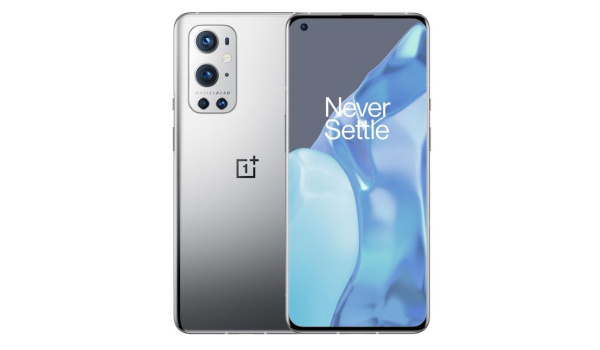
The 9 Pro has a Hasselblad camera
The OnePlus 9 Pro is the top tier device. It has the largest display at 6.7 inches and has a higher screen resolution as well. It also has an IP68 water and dust-proof rating. It is powered by a Qualcomm Snapdragon 888 chipset.
In the camera department, the 9 Pro has a Hasselblad quad camera setup at the back. It comprises a 48MP main lens, 50MP ultrawide lens, 8MP telephoto lens, and a 2MP monochrome lens. At the front is a 16MP EIS-enabled selfie camera.
In addition to 65W fast charge, it also has 50W fast wireless charging.
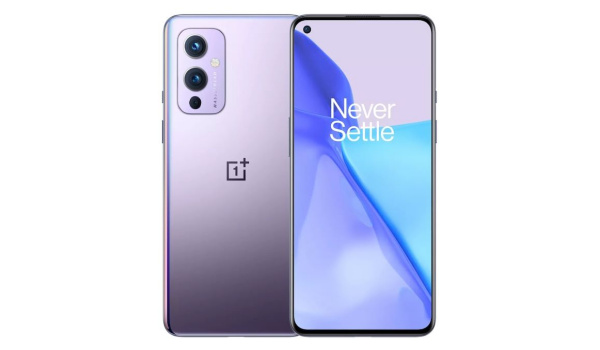
The vanilla 9
The OnePlus 9 has a 6.55″ display. Its main camera is also in partnership with Hasselblad and comprises four lens – a 48MP main lens, 16MP ultrawide lens, 8MP macro and 2MP monochrome.
The front camera is a 16MP snapper as well. Like its Pro sibling, the 9 is also powered by a Qualcomm Snapdragon 888 chipset.
Lastly, the OnePlus 9R is the budget baby of the three. It has a 6.55″ Fluid AMOLED display just like the vanilla 9.
Powered by a Snapdragon 870 chipset, it has a quad-camera without a Hasselblad input or label. It does not have wireless charging though.
Pre-orders for the 9R begin in April 2021.
You can check the full specifications of the OnePlus 9 series .
Author:MobileChic
That motivated, gadget-loving geeky chic who tries to stay on top of things. Unapologetic iFan.
Add MobilityArena as a preferred source on Google
Smartphone makers are partnering with camera/optics companies like Zeiss, Leica, and Hasselblad. Do these smartphone camera partnerships make any real difference? Allow me to walk you through the history.
- In The Beginning
- HMD Global and Zeiss
- Huawei and Leica
- Sony and Zeiss
- Vivo and Zeiss
- OnePlus and Hasselblad
- Xiaomi and Leica
- Do These Smartphone Camera Partnerships work?
In The Beginning
It started many years ago with Nokia’s partnership with German optics company, Carl Zeiss (now Zeiss). That partnership produced the Nokia N95 super camera phone in 2007. That exclusive partnership also produced many other solid camera phones during the Symbian OS era and later the Windows Phone/Mobile era as well.
HMD Global and Zeiss
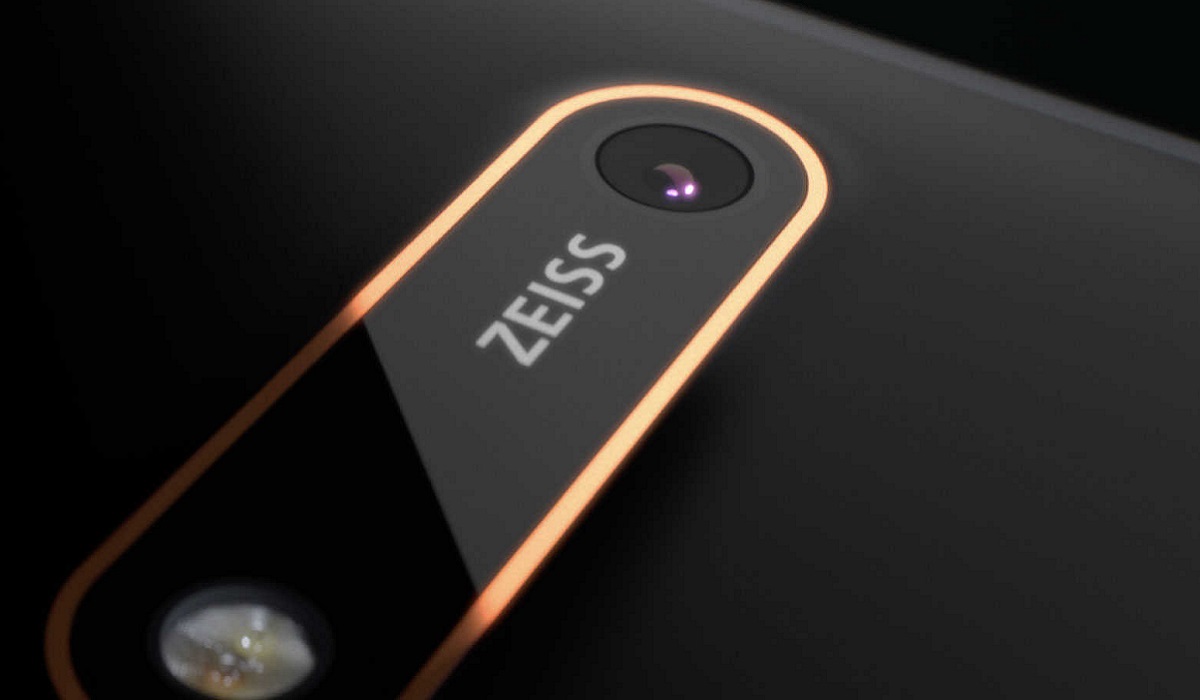
But since Nokia smartphones returned to the market with Android OS, though the Zeiss partnership was renewed, we have not seen that same streak of genius camera phones from Nokia. The Zeiss optics partnership has done little to improve Nokia camera phone performance in recent years.
Huawei and Leica
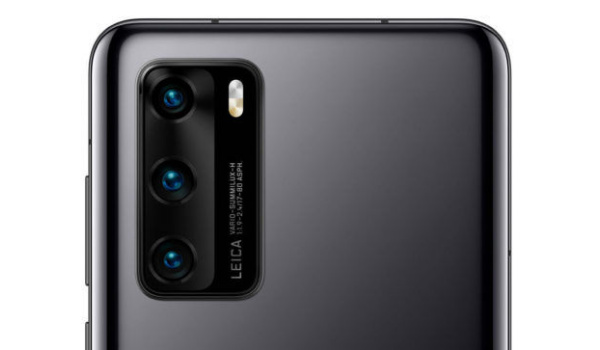
Have Huawei’s successes with its flagship camera phones been the result of this Leica partnership? We know that correlation is not necesarily causation, but it is diffficult to argue that the Huawei-Leica partnership hasn’t produced great results.
Sony and Zeiss
In early 2020, Sony and Zeiss announced a surprise partnership. It was a surprise because before then, the Zeiss partnership with Nokia had been exclusive. Now, things had changed. eiss clarified that its partnership wit Nokia was intact but was no longer exclusive. The German camera brand was opening itself up to all comers.
We haven’t particularly seen any spectacular results from the Sony-Zeiss partnership. Perhaps it is too early to judge how well the collaboration is working. But the flagship Sony Xperia 1 II is already in the market and its camera is good and regarded as one of the best around.
Vivo and Zeiss
But just before 2020 ended, another Zeiss smartphone camera partnership hit the news stands. This time, it was Vivo getting into the ring. And following up with that quickly, the first product from the partnership hit the market in January 2021.
Also a flagship product (these camera collaborations are often seen in flagships), the X60 Pro+ was launched in China and isn’t available yet elsewhere. As such, it is difficult to say yet how good the camera is.
OnePlus and Hasselblad
The most recent smartphone camera partnership is that between OnePlus and Swedish camera brand, Hasselblad. OnePlus hyped the partnership to high heavens and the buzz was through the roof. The first OnePlus devices that bear the Hasselblad stamp are out. The OnePlus 9 Pro and OnePlus 9.
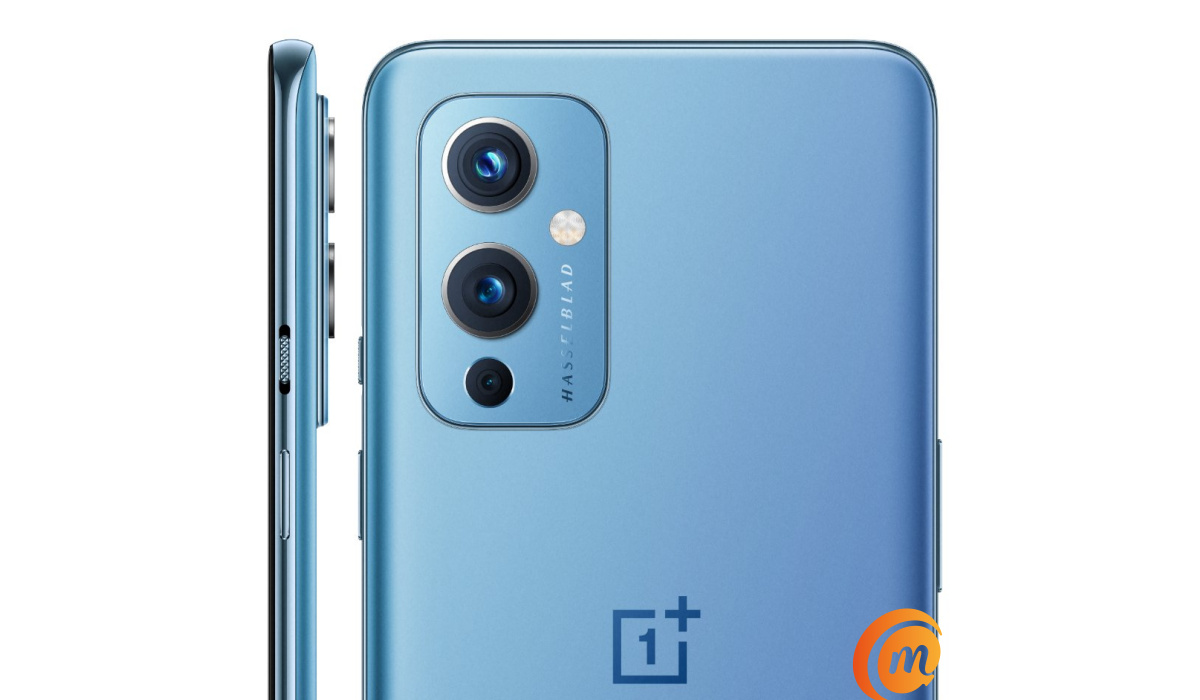
The reviews are coming out, and the verdicts tell a different tale. Mobile reviewers around the world who have put the OnePlus Hasselblad cameras to the test are saying the partnership is mostly a marketing gimmick [1, 2].
That isn’t cheery news. Some of us were looking forward to exciting new competition. But for now, the best camera phones in the world are from the usual suspects – Huawei, Apple, Xiaomi, Samsung, and OPPO. Of this small group, only Huawei has a camera brand partnership. The others just make great camera phones without any special collaboration or branding.
Xiaomi and Leica
In 2022, Xiaomi went into partnership with Leica, hoping to explore the capabilities of smartphone photography to the extreme with Leica’s expertise and innovation. The first Xiaomi smartphone with a Leica-branded camera, Xiaomi 12S Ultra, was launched in July 2022. This collaboration has been an outstanding one, with series of extraordinary Xiaomi camera phones released year after year. They include the Xiaomi 13 Ultra and Xiaomi 14 Ultra.
Do These Smartphone Camera Partnerships work?
So, we are back to the question. Do these optics brand partnerships produce any distinct improvements in smartphone cameras? The answer is not as straightforward as many people would probably like it to be.
In reality, sometimes, these smartphone camera partnerships do produce spectacular results – as happened with Nokia phones of years gone by and modern Huawei phones. At other times, the results are good, but not enough to be striking or to get us excited.
Huawei’s partnership with leica has been the bright shining star of the camera phone world. The Xiaomi-Leica collaboration is another example. Maybe another partnership will rise up to the challenge and give us some exciting results. Maybe not.
References
- “Hasselblad involvement isn’t that noticeable” – GSMArena ( Source )
- “Hasselblad partnership mostly a marketing gimmick” – Digital Trends ( Source )
Copyright Notice : Reproduction of this article on any website, ebook, book, newspaper, magazine or other media without express written permission from MobilityArena is a violation of copyright rules and will result in appropriate action being taken against violators.
Author:Mister Mobility
Digital Skills and Communication Coach | Mobile Phone Connoisseur since 2001 | Tech Blogging since 2004
