Add MobilityArena as a preferred source on Google
Sometimes, not all actions taken in the name of progress are for our good. I remember back in the days of Symbian OS, smartphones had Internet-on-demand instead of always-on Internet. That made it easy to know when your phone was making a connection in the background.
The way it worked was, our devices connected only when there was a need to – like when your email app made a connection to pull in fresh mail. If you launched the web browser to look up something, your phone made a connection. Otherwise, the Internet connection was in standby mode. And you could stop an app from making a connection.
Then came along always-on Internet. And as beautiful as it is, it came with security and privacy concerns. Your iPhone or Samsung Galaxy smartphone sends out data to servers owned by Apple and Google hundreds of times a day. An average of 340 times a day, to be precise. And this happens even when your phone is idle.
Other apps on your phone are also constantly shipping data off too. Most of that data includes details you stored on your phone and your location info. And all of this is possible because of always-on Internet. Modern smartphones are data mining machines.
A 2020 document published by the NSA says that, “Even if cellular service is turned off on a mobile device, Wi-Fi and BT can be used to determine a user’s location. Inconspicuous equipment (e.g., wireless sniffers) can determine signal strength and calculate location, even when the user is not actively using the wireless services. Even if all wireless radios are disabled, numerous sensors on the device provide sufficient data to calculate location.”
Do you get the picture? The onscreen toggles on your iPhone or Android smartphone do not 100% protect you. Apps bypass them every day. If you toggle off your location settings, your phone is still able to track you.
I have always maintained that the biggest factor in security and privacy is the human factor. You. Me. A huge chunk of security breaches happen because the human drops the ball. A weak password. Poor personal security habits (like leaving your phone lying around unprotected, or giving physical access to it in some other way).
Which is why I think that having physical kill switches on smartphones is a great idea.
What are physical Kill switches?
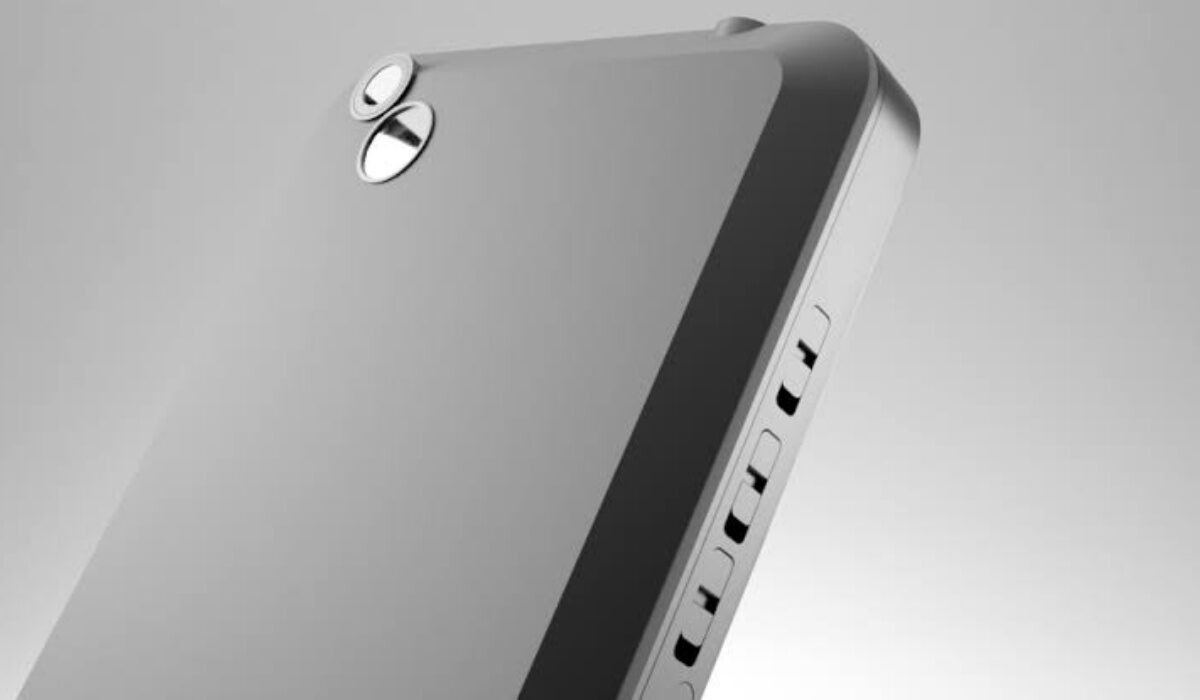
Hardware kill switches are physical buttons that can be used to disconnect a device. What might you need to disconnect? WiFi, Bluetooth, cellular signal, location, microphone, and camera. It should be within the power of the user to disconnect these with buttons. But why buttons when you can just put your phone in Airplane mode? Because it has been proven that even when in Airplane mode, devices collect data (including location data) and resume transmission right after you reconnect.
Hardware kill switches
Why is a physical kill switch important?
A physical kill switch actually disables everything you need disabled. There is no bypassing them. When you use a hardware switch, those features cannot be remotely turned back on. You can deny access to your phone’s microphone with an app, yet a rogue app would still find a way around that. There is no bypass if you physically turn off of the microphone.
Lest I forget, we also used to be able to physically remove the battery of our phone. That is mostly a thing of the past now. Where all else failed to secure your phone, taking out the battery means that you can shut everything down properly – network radio, location tracking, Bluetooth, etc al. It is the ultimate physical kill switch.
As at right now, it is mostly feature phones that have retained this ability. We need that back in smartphones. We need smartphones whose batteries can be pulled out. I still have my Lumia 950, and the battery is removable.
There are not a lot of gadgets out there today that have any form of hardware kill switches. HP’s ENVY laptop has a camera kill switch. Instead of you putting tape over your camera lens, just shut it off with the switch. Nice.
Some smartphones with physical kill switches
There are a few smartphones that have hardware buttons to disconnect critical services on demand. Librem 5 is one of them. It has hardware buttons to turn off WiFi, Bluetooth, cellular signal, location, microphone, and the camera. These buttons physically disconnect these services, so there is no bypassing them by any rogue apps, or by Google, Apple, or even the NSA.
Librem 5 is pricey though. It comes in two variants – the regular Librem 5 for $1,199, and the made-in-America Librem 5 USA for $1,999.
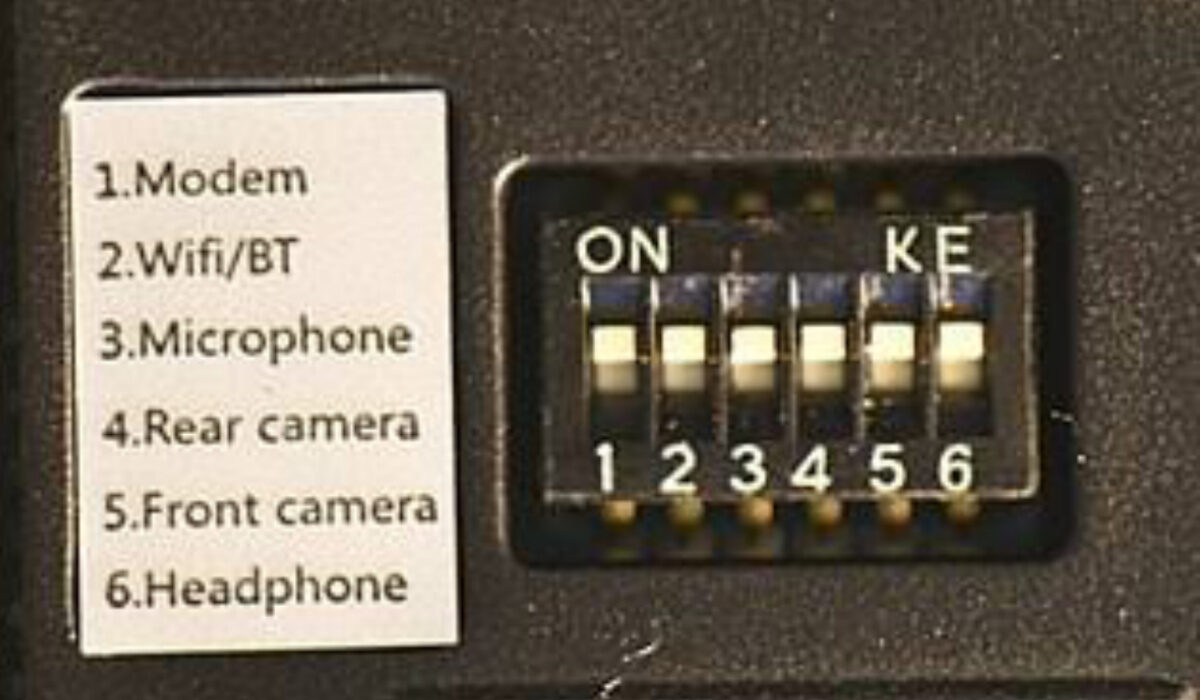
Another smartphone with physical kill switches is the PinePhone , and it takes it further than Librem 5. It has six buttons that control the modem, Wi-Fi, Bluetooth, microphone, rear camera, front camera, and the headphone jack. The PinePhone is available for a much more pocket-friendly price of $200.
Another cell phone with hardware kill switches is the Privacy Smartphone . It has physical kill switches to turn off your microphones, GPS, cellular modem, cameras, speakers, Bluetooth, and WiFi. The Privacy Smartphone costs €499 and is available on a monthly plan.
As far as privacy and security is concerned, phones with physical kill switches rank among the most secure, because when push comes to shove, no matter how secure an operating system is, having physical control to shut down the doorways, windows and backdoors to your device when you need it is the ultimate security.
- Don’t miss our reviews .
- Follow us on Instagram , Facebook , Twitter , and YouTube .
Author:Mister Mobility
Digital Skills and Communication Coach | Mobile Phone Connoisseur since 2001 | Tech Blogging since 2004
Add MobilityArena as a preferred source on Google
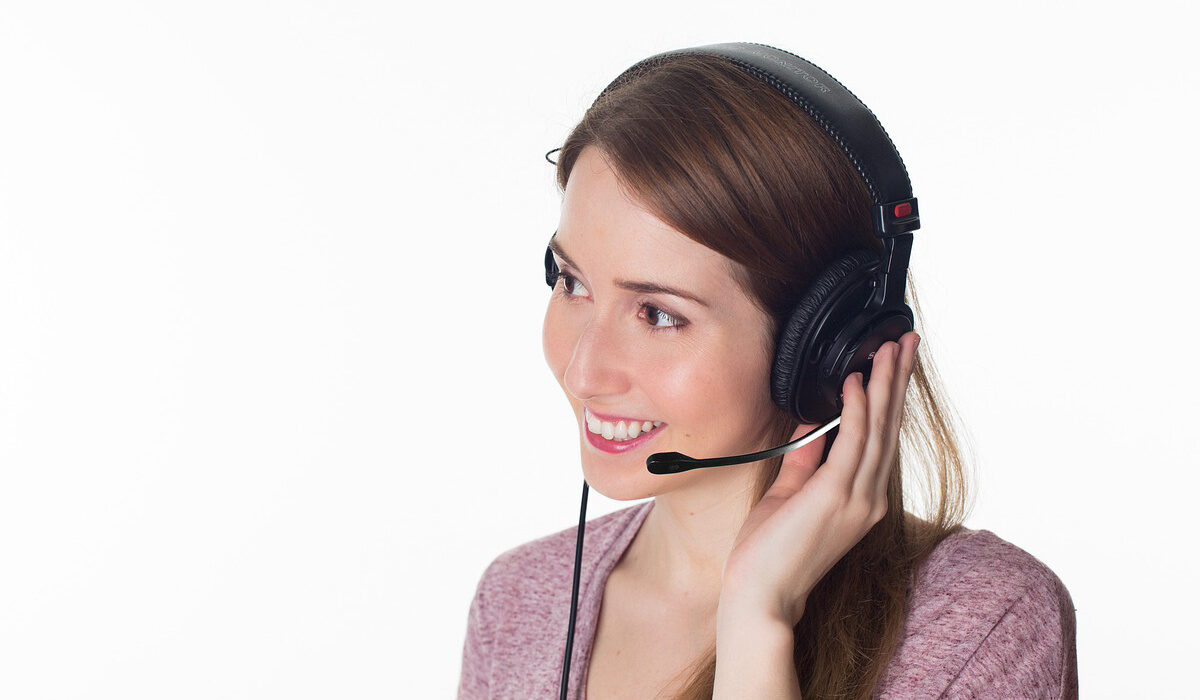
A cellphone answering service is a company that answers the phones on behalf of other businesses. They are especially suited to small businesses who cannot afford the extra overhead of renting bigger office space, furnishing it, and hiring a receptionist. It is also called a virtual or mobile phone answering service
As such, using a cellphone answering service saves your business costs and helps improve customer relations. If you run a freelance operation, sometimes you are on the road or busy with technical details that make it inexpedient to take an incoming call. By using a cellphone answering service, your business does not have to miss any calls. A live person is always available, round the clock, to respond to your clients and customers.
It is much more than just getting your calls answers, though. A professional cellphone answering service goes over and beyond to serve as a solid PR tool for your business.
- How does a cellphone answering service work?
- What are the benefits of using a cellphone answering service?
- Who can use a cell phone answering service?
- How much do cell phone answering services cost?
- Some top cellphone answering services
How does a cellphone answering service work?
Virtual answering services work seamlessly with not just your existing cell phone, but can also work with your landline or VoIP phone.
A dedicated business representative answers incoming calls on your behalf, responds to the customer or prospect, takes down notes of important messages and appointments, and then forwards them to you for action when you are available.
Because the service works via call forwarding, you can switch providers without your business number changing. In summary, a cellphone answering service is like a call centre, but customized to represent different businesses. The representatives are briefed about what your business does and how it operates, so they can respond as accurately as possible to enquiries.
Depending on the scale of operations, different cellphone answering services offer different levels of specialized operations. Most are suitable for enquiries and complaints, which will be forwarded to you, the professional to take care of and follow up on. A few, larger ones have more specialized teams that can handle more specialized operations.
What are the benefits of using a cellphone answering service?
One, your business never has to miss a call again, whether you are not reachable or whether it is outside office hours.
Two, you are able to run light and keep your overheads down, and save on hiring a receptionist, and renting and furnishing or equipping a reception. No electronic boxes or cabling to be done.
Three, you are able to concentrate on the core operations of the business, rather than get bogged down with calls. This improves your productivity and will boost your bottom line. Telephone calls are often distracting, whether you are a doctor, a graphics designer, software developer, or a web developer. Outsourcing that aspect of your business operations will boost your productivity immensely. Other benefits of using a cellphone answering service for your business include:
- Professional Image: An answering service provides a professional image for your business. Instead of callers reaching voicemail or hearing a busy signal, they are greeted by a live operator, giving the impression of a well-established and responsive organization.
- 24/7 Availability: Cellphone answering services operate around the clock, providing 24/7 availability. This is especially beneficial for businesses that have customers in different time zones or for emergency situations where immediate assistance is crucial.
- Improved Customer Service: A live answering service allows for immediate interaction with customers. Operators can answer questions, provide information, take messages, and assist with basic inquiries, enhancing the overall customer service experience.
- Appointment Scheduling: Answering services often offer appointment scheduling services. This can help businesses manage their appointments efficiently without the need for constant phone monitoring.
- Time Management: By outsourcing call answering tasks, individuals and businesses can save time. This allows employees to focus on core responsibilities, increasing overall productivity.
- Reduced Missed Opportunities: Calls are answered promptly, reducing the likelihood of missed opportunities or potential leads. This is critical for businesses that rely on incoming calls for sales or service inquiries.
- Cost-Effective: Employing a cellphone answering service is often more cost-effective than hiring a full-time receptionist. Businesses can pay for the services they need, whether it’s a few hours a day or 24/7 coverage.
- Message Taking and Delivery: Operators can take messages and deliver them promptly through various channels, such as email, text messages, or voicemail, ensuring that important information is communicated in a timely manner.
- Scalability: Answering services can scale their services based on your needs. Whether your call volume increases or decreases, the service can adjust accordingly, providing flexibility for your business.
- Emergency Handling: For businesses that may face emergencies or urgent situations, an answering service can be a crucial component in managing and responding to such incidents promptly.
Who can use a cell phone answering service?
Cellphone answering services are perfect for small businesses where the key staff are technical people and need someone to take care of customer enquiries and complaints, without the business incurring huge cost outlays.
But larger businesses also use cellphone answering services to outsource these departments for similar reasons. So, pretty much any kind of business can use an answering service.
How much do cell phone answering services cost?
Many such services provide a free trial period, so you can experience their service at no cost for a limited time to see if it fits your requirements.
After that, you can take up a pay-as-you-go subscription. This is good for your business cash flow, as it means you do not have to pay a huge amount upfront for a year’s service.
The specific pricing system and figures differ from one company to another. Some charge as much as $30 per month flat rate. Others bill per call, between $0.50 to $1.75 per call. It all depends on the scale of service they provide and how basic or specialized your needs are. So, shop around a little.
Some top cellphone answering services
- Ruby
- AnswerNet
- PATLive
- AnswerConnect
- VoiceNation
- Specialty Answering Service (SS)
- Davinci
- Moneypenny
- Call Center Sales Pro (CCSP)
- TeleDirect
There are many other good cellphone answering services out there as well, and we encourage you to look around some more to see which best fits your needs and budget.
