Add MobilityArena as a preferred source on Google
The original Starlink satellite service was (and still is) incapable of working with mobile phones. You need a dish to connect to the Starlink service for internet access. But SpaceX has announced a new service, called Direct To Cell, that allows regular 4G LTE phones to connect to, and roam on, Starlink satellites for voice, text, and data, when out of range of terrestrial cell towers.
- How Starlink Direct To Cell Service Works
- What Equipment Or Hardware Do You Need To Use Starlink Direct To Cell?
- When Is This Going To Be Available?
- How Much Will Direct To Cell Cost?
- Which Carriers Are Direct To Cell Global Partners?
How Starlink Direct To Cell Service Works
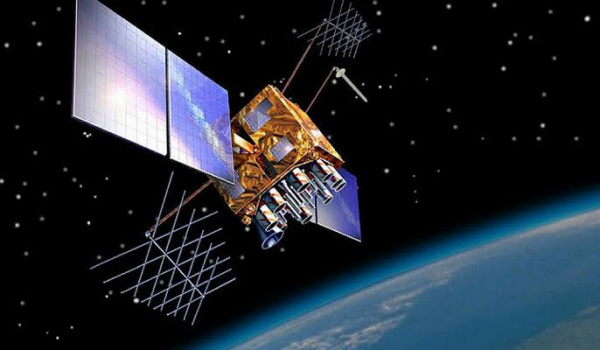
Starlink is going to launch I to space a new set of satellites with Direct to Cell capability. These satellites will have an advanced eNodeB modem onboard that acts like a mobile phone tower in space, “allowing network integration similar to a standard roaming partner”. In other words, this is a roaming service but uses satellites to provide the coverage you need.
If your mobile network operator is a roaming partner to this service, you will be able to roam on Starlink’s satellite network whenever you are out of your network operator’s coverage area. When fully implemented, you will be able to do text messaging, voice calls, and internet in the most remote parts of the planets, as long as you can see the sky.
Now, you can go on a boat cruise, camp on a remote island, or travel the Sahara desert, without having to do without wireless service. Think of all the possibilities.
What Equipment Or Hardware Do You Need To Use Starlink Direct To Cell?
At this point, you are already likely wondering what kind of add-on hardware you need to pair with your smartphone for this to work. Surprise! None. If you use a 4G LTE smartphone, it is already compatible with the beams from Starlink’s Direct To Cell satellites. You do not require any changes to your phone, any accessory, any software update, or special app, to be able to use this satellite roaming service.
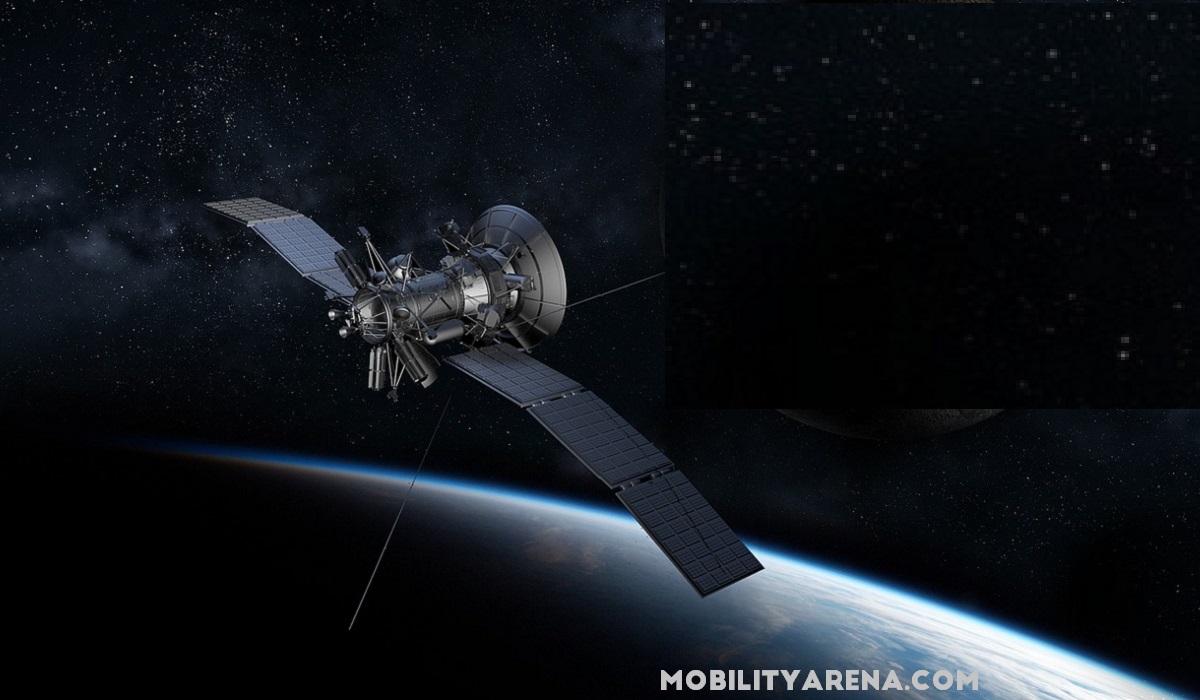
Direct to Cell satellites operate like a cellphone towers in space. As long as your LTE smartphone has a clear line of sight to the sky, it will connect.
When Is This Going To Be Available?
Starlink says the service will kick off in 2024 with test messaging (SMS) only at first. Then, in 2025, voice and data will become available on the service, followed by access to iOT that same year. So, as exciting as this is, you have to wait till 2024 to be able to use it. When in 2024? I have no idea yet. Starlink has not specified.
How Much Will Direct To Cell Cost?
There is no publicly available I formation about the pricing and tariffs for this service yet. Of course, it will cost you a bit. Roaming services tend to be expensive. Seeing as this one is using satellites for its wireless transmission, it isn’t likely to come dirt cheap. We shall wait for SpaceX to announce tariffs.
Which Carriers Are Direct To Cell Global Partners?
A few carriers (mobile network operators) have already signed up as Direct To Cell partners. They include:
- T-MOBILE (USA)
- OPTUS (AUSTRALIA)
- ROGERS (CANADA)
- ONE NZ (NEW ZEALAND)
- KDDI (JAPAN)
- SALT (SWITZERLAND)
I expect that many others will jump on this service as soon as they can. Starlink Direct To Cell is groundbreaking in every way. For the first time ever, regular smartphones will be able to maintain wireless connectivity regardless of their location.
This is different from recent developments in the industry in which certain smartphones have satellite connectivity built into them . In contrast, the 4G smartphone you have in your hand now will work with Direct To Cell. Any 4G smartphone at all. Welcome to the future.
Author:Mister Mobility
Digital Skills and Communication Coach | Mobile Phone Connoisseur since 2001 | Tech Blogging since 2004
Add MobilityArena as a preferred source on Google
This article leans more on the technical side than our usual articles here on MobilityArena, but in recent times, we have been asked questions about the dynamics of free VPNs for mobile phone users. There is no way to deal with this topic without leaning in on the technical, so bear with us. If you have further questions at the end of this article, use the comment form below it to submit them and we will provide answers to the best of our ability.
Data security and privacy have emerged as the top worries for both casual users and specialists in the rapidly evolving world of mobile technology. Free VPN is an important topic as we examine the intricate world of virtual private networks (VPNs). These seem simple technologies that can conceal a vast amount of intricacy and technical detail. In this article, we will dissect the multifaceted nature of free VPNs.
- The Complexity of Free VPNs
- Encryption Algorithms and Protocols
- Server Infrastructure
- The Intermittency Factor
- Bandwidth Limitations
- Data Logging Policies
- Wrapping It Up
The Complexity of Free VPNs
The concept of a virtual private network is inherently complex, magnified when considering free VPNs. These services aim to encrypt your internet connection, making your online activities virtually invisible to prying eyes.
Encryption Algorithms and Protocols
One of the critical technical aspects is the encryption algorithm and protocol used by a VPN service.While cheap VPNs could choose less secure encryption techniques, premium VPNs frequently use strong encryption techniques like AES-256. It is critical for mobile phone users to carefully review the technical specifications before selecting a free VPN since the complexity of encryption plays a significant role in defining the level of protection provided by the VPN..
Server Infrastructure
The complexity of a VPN’s server infrastructure can significantly affect its performance. Professional users with a penchant for more intermittent and high-performance connections may find that premium VPNs offer a superior solution with a more extensive server network.
The Intermittency Factor
The term “intermittency” assumes a unique significance regarding free VPNs. These services offer an accessible gateway to enhanced online privacy.
Bandwidth Limitations
VPN providers may impose bandwidth limitations, leading to unpredictable interruptions in your internet experience. When technical jargon like “bandwidth throttling” comes into play, mobile users might experience a significant reduction in connection speed, making the experience less than ideal.
Data Logging Policies
Understanding the data logging policies of a VPN service is paramount for mobile phone users who value their privacy. On the other hand, Premium VPNs often have strict no-logs policies, providing professional users with a more reliable and secure solution.
Wrapping It Up
In the world of mobile phone users seeking free VPNs, the duality of complexity and intermittency is a problem that must be navigated with caution. While free VPNs can be a helpful starting point for casual users, professionals often find that these services’ technical intricacies and intermittent performance fall short of their requirements.
Ultimately, deciding to opt for a free VPN depends on individual needs and preferences. It is advised to weigh the benefits and drawbacks and decide accordingly carefully. In this intricate realm, the quest for privacy and security is filled with surprises and interruptions, where knowledge and prudence are the keys to success.
Author:Anna Makama
Gadget lover making my way through life one day at a time.
