Add MobilityArena as a preferred source on Google
AR devices with high refresh rates are crucial for tech enthusiasts. In the ever-evolving landscape of technology, Augmented Reality (AR) devices are making waves, transforming how we interact with the digital world. With applications spanning from gaming and education to professional training and healthcare, AR is becoming increasingly mainstream. One of the key features that enhance the user experience in AR devices is a high refresh rate. This attribute ensures that visuals are rendered smoothly, allowing users to engage with digital content seamlessly. In this article, we’ll explore some of the top AR devices with high refresh rates available in the U.S. market, shedding light on their capabilities and what makes them stand out among the competition. As AR continues to grow, understanding these devices will help you make informed decisions about integrating this exciting technology into your life.
- Why Refresh Rate Matters in AR Devices The Benefits of High Refresh Rates
- Top AR Devices with High Refresh Rates Available in the U.S. Apple Vision Pro Meta Quest Pro Microsoft HoloLens 2 Nreal Air TCL NXTWEAR S
- Conclusion
Why Refresh Rate Matters in AR Devices
Before diving into specific devices, let’s discuss why AR devices with high refresh rates are crucial for user experiences. The refresh rate, measured in hertz (Hz), indicates how many times per second a display updates its image. A higher refresh rate results in smoother visuals and reduces motion blur, which is essential for immersive experiences in AR. When graphics are rendered smoothly, users can interact with digital content more naturally, leading to a more engaging and realistic experience.
The Benefits of High Refresh Rates
- Smoother Interactions: High refresh rates provide fluid motion, making it easier for users to track moving objects and interact with digital overlays.
- Reduced Motion Sickness: A smoother visual experience can help minimize discomfort often associated with lower refresh rates, particularly during fast movements.
- Enhanced Gaming Experience: For gamers using AR devices, higher refresh rates translate to better responsiveness and more immersive gameplay.
Top AR Devices with High Refresh Rates Available in the U.S.
Let’s take a look at some of the best AR devices with high refresh rates and are available in the U.S. market:
Apple Vision Pro
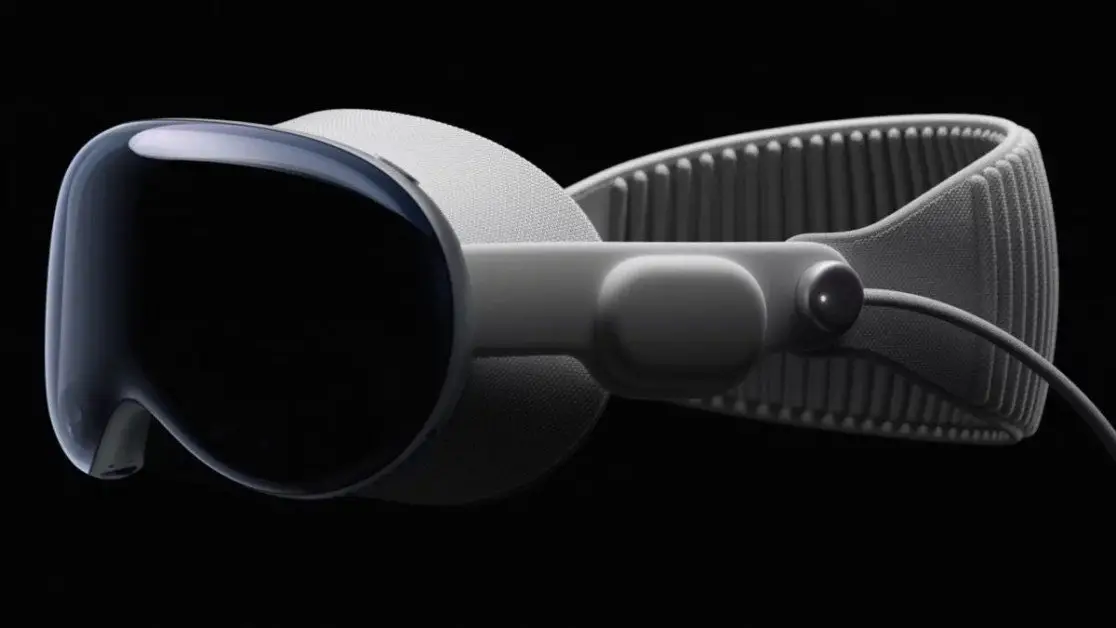
First on the list of AR devices with high refresh rates is Apple’s Vision Pro. It is positioned as a groundbreaking spatial computing device that seamlessly blends digital content with the real world at the refresh rate of Up to 120 Hz. With its dual 4K micro-OLED displays, users can enjoy stunning visuals that enhance both productivity and entertainment experiences. The device supports hand tracking and voice commands, allowing for intuitive interaction. The combination of high refresh rates and advanced display technology makes the Vision Pro a top contender for those seeking an immersive AR experience.
Meta Quest Pro
Next on the list of AR devices with high refresh rates is the Meta Quest Pro. It is designed for both gaming and professional applications, offering an advanced mixed reality experience at a refresh rate of up to 120 Hz. Equipped with high-resolution displays and powerful processing capabilities, this device allows users to interact with virtual environments effortlessly. Its eye-tracking technology enhances user engagement by enabling more natural interactions. With its focus on both entertainment and productivity, the Quest Pro caters to a wide range of users looking for versatile AR capabilities.
Microsoft HoloLens 2

The Microsoft HoloLens 2 is a leader in enterprise AR devices with high refresh rates, providing immersive experiences for training, remote assistance, and collaboration at a refresh rate of approximately 60 Hz. With its advanced holographic display and spatial sound capabilities, users can interact with holograms in their physical environment. The device also features eye tracking and hand gestures for seamless navigation. While its refresh rate is slightly lower than others on this list, its robust feature set makes it an excellent choice for professional applications where precision and clarity are paramount.
Nreal Air
Nreal Air offers a lightweight design that makes it easy to wear for extended periods while providing an immersive augmented reality experience. Refresh rate is up to 90 Hz. With a resolution of 1080p per eye and a wide field of view, Nreal Air allows users to enjoy movies, games, and apps projected onto their environment as if they were watching on a large screen. Its portability combined with high refresh rates makes it ideal for casual users looking to enhance their entertainment experiences on the go.
TCL NXTWEAR S
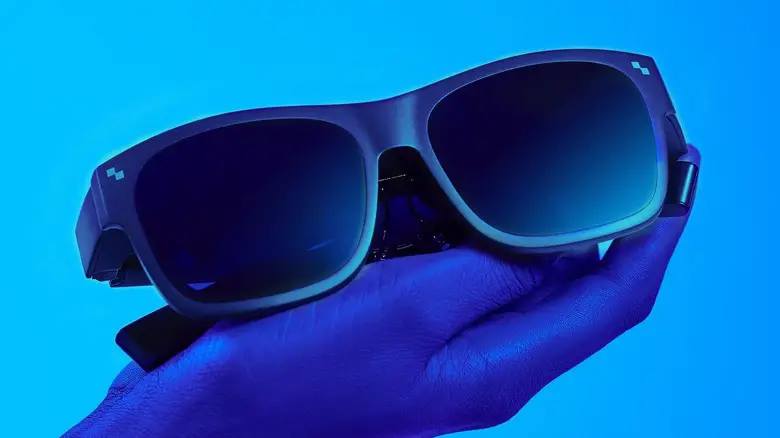
The TCL NXTWEAR S is designed primarily for media consumption but offers augmented reality features that enhance viewing experiences. Refresh rate is up to 60 Hz. With a virtual display equivalent to a 130-inch screen at 60Hz, it provides an immersive viewing experience whether you’re watching movies or playing games. Its combination of affordability and decent performance makes it accessible for those new to augmented reality.
Conclusion
AR devices with high refresh rates are becoming increasingly vital for delivering smooth and immersive experiences. From Apple’s Vision Pro to Meta’s Quest Pro and Microsoft’s HoloLens 2, there are several options available in the U.S. market that cater to different needs—whether for gaming, productivity, or casual use. Investing in an AR device with a high refresh rates not only enhances your interaction with digital content but also ensures you’re at the forefront of this exciting technological revolution. As you explore your options, consider how each device aligns with your lifestyle and interests—because in the world of augmented reality, having smooth visuals can make all the difference!
Author:Ifeoluwa Adeleke
Add MobilityArena as a preferred source on Google
In the world of automobiles, replacement parts are an essential part of maintaining your vehicle to keep it in good shape. But not all parts are the same. There are two major types – Aftermarket parts and OEM parts.
Whether you ride a motorbike or drive a car or a truck, understanding the differences between these two types of replacement parts and the practical implications of using either type on your vehicle is important.
TL;DR : OEM parts are a great way to replace damaged or worn parts of your vehicle with parts of the exact same quality, while Aftermarket parts are great for saving cost or upgrading your vehicle.
- Understanding OEM parts
- Understanding Aftermarket parts
- Choosing between the two types
Understanding OEM parts
OEM parts, or Original Equipment Manufacturer parts, are made by the vehicle’s original manufacturer. As such, these parts are designed to fit perfectly and match the quality and specifications of the original parts your car was built with. They tend to be more expensive than aftermarket parts, but they offer a guarantee of compatibility and reliability.
Understanding Aftermarket parts
Aftermarket parts are vehicle components made by companies other than the original manufacturer of the vehicle. They can be used to replace damaged parts or to upgrade your vehicle’s performance, appearance, or functionality. These parts are often more affordable than OEM parts and can sometimes offer better performance or customization options.
If all you need to do is replace a damaged component in your car with a more affordable part, Aftermarket options are what you need. Also, where you are looking to provide an upgrade to your vehicle using a superior part, Aftermarket parts tend to be costlier.
Choosing between the two types
OEM parts tend to be more trustworthy than their Aftermarket counterparts, because they are manufactured by the very same company that produced your vehicle.
When you choose an OEM part, you are sure that you are getting the exact same quality of parts as what is being replaced in your vehicle.
Aftermarket parts, on the other hand, tend to mostly provide more affordable options to what is in your car from the factory. Many times, this means they are not of the same quality. They get the work done but may not last as long as OEM parts.
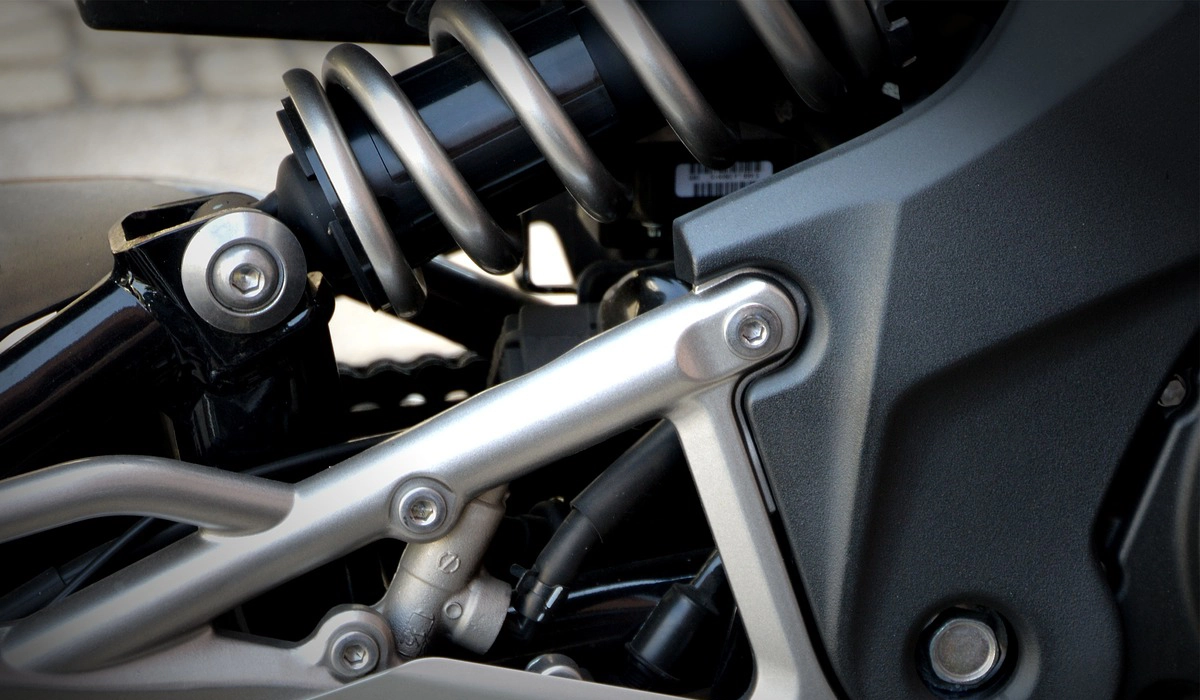
Of course, this is not cast in stone. Some Aftermarket parts offer advantages over products from OEMs. For example, automobile and motorbike enthusiasts sometimes want to reinforce their vehicles with sturdier, tougher parts. This can be suspension and chassis parts.
You will find these kind of superior engineering from Aftermarket producers. These products that soup up vehicles tend to be stronger and of higher quality and so cost more than OEM parts.
So, the questions of quality and cost have to do with what type of parts you need or want for your vehicle.
A general rule of thumb is that if you want to replace a vehicle part with exactly the same type and quality that it came with from the manufacturer, buy an OEM product. But if you are pressed for cash and do not mind a lower quality replacement part or you want a stronger, superior replacement part at a higher cost, what you need is likely available only from Aftermarket producers.
When next you go shopping for a replacement part for your motorcycle or automobile, ask for the available OEM and Aftermarket options so you can make an informed choice.
Author:Mister Mobility
Digital Skills and Communication Coach | Mobile Phone Connoisseur since 2001 | Tech Blogging since 2004
