Add MobilityArena as a preferred source on Google
I have fond memories of typing away on my Palm Treo 700P , Nokia E-series phones, and on different BlackBerry Bold models, the Classic, and even the Passport (a copy of which I still have till date). And I still own a functional Android smartphone with a hardware keyboard, the Unihertz Titan Slim.
- Clicks’ Small Keys
- Didn’t We Move On From Hardware Keyboards?
- Clicks’ Big Problem
- Great Proposition For The Visually Impaired
- Price And Release Dates
Clicks’ Small Keys
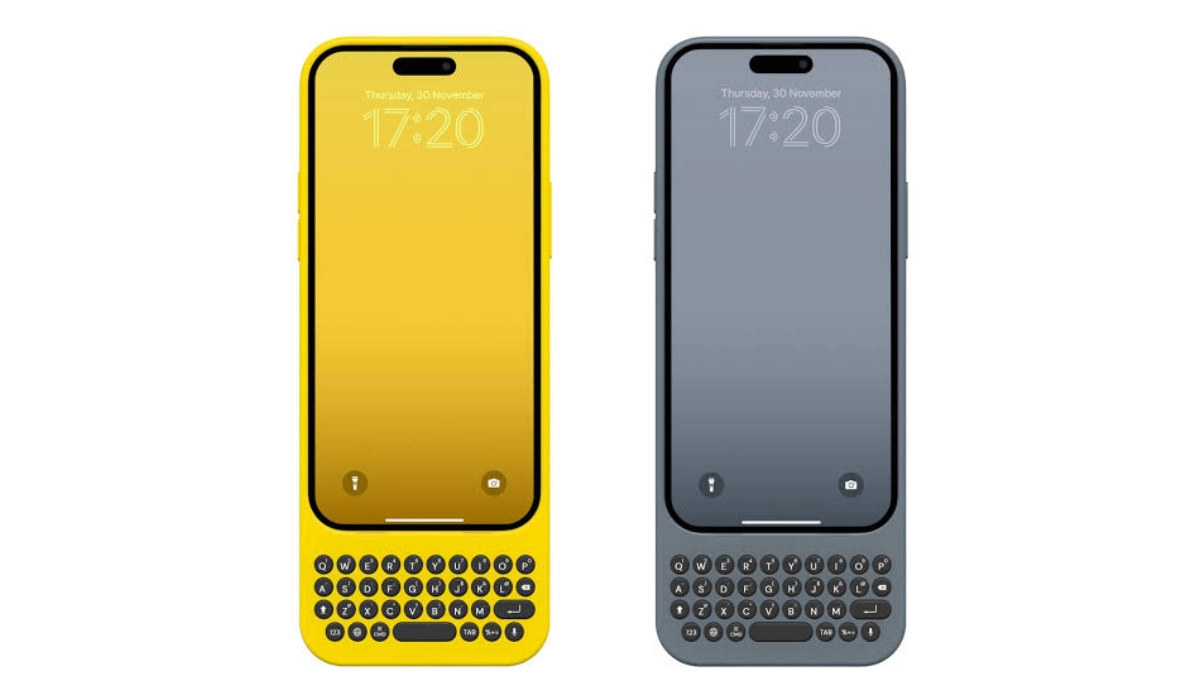
But I find the keys on the Titan Slim too small, and the keys on the Clicks iPhone keyboard look rather small, too. Again and again, in use, I wish the Titan Slim didn’t bother with the keyboard. The keys are just too small, making typing on them difficult. But that isn’t even the big problem with the Clicks iPhone keyboard.
Didn’t We Move On From Hardware Keyboards?
And it needs to be said: most mobile phone users have moved on from hardware keyboards. I said that much in our Unihertz Titan Slim review in 2022. Not a lot of people have any problems with typing with their phone’s onscreen keyboard. Perhaps that is why the Clicks iPhone keyboard is being marketed as an accessory for creators. Most regular phone users won’t bother. But I also wonder whether even many creature will bother.
I am typing this article on the virtual keyboard on my smartphone and it does an excellent job of it. Why would I want to add a keyboard accessory that adds significant bulk (length and thickness) to my phone? And that is the big problem.
Clicks’ Big Problem
If the Clicks keyboard was created for a small iPhone model like the iPhone 13 Mini, it would make sense to me. That extra length would not be much of a problem for a small phone like that. But for bigger models like the Pro and Pro Max, it adds considerable length to the devices. In use, you’d have to reach long to access the upper half of your iPhone’s screen. That’s an extra usability issue right there.
But perhaps the designers are on to something. Clicks is the product of the work of a number of professionals who have worked on both hardware and virtual keyboards at BlackBerry and Apple. Surely, they must have taken all these factors into consideration in arriving at this final product.
Hardware keyboards have intrinsic value. For one, they allow you type without taking up any part of the phone’s display the way virtual keyboards do. They also allow you the convenience of using keyboard shortcuts, and Clicks incorporates that, giving users access to scores of iPhone keyboard shortcuts. Lastly, hardware keyboards provide a reassuring feel – sensation – as you type. If you have never used one, you will have no point of reference to this and wonder what it is I mean.
Great Proposition For The Visually Impaired
Visually impaired individuals will definitely find a hardware keyboard on a phone useful, so that is another clear use-case for the Clicks iPhone keyboard. At the end of the day, the revolution it will bring might not be for creators but for the visually impaired.
Price And Release Dates
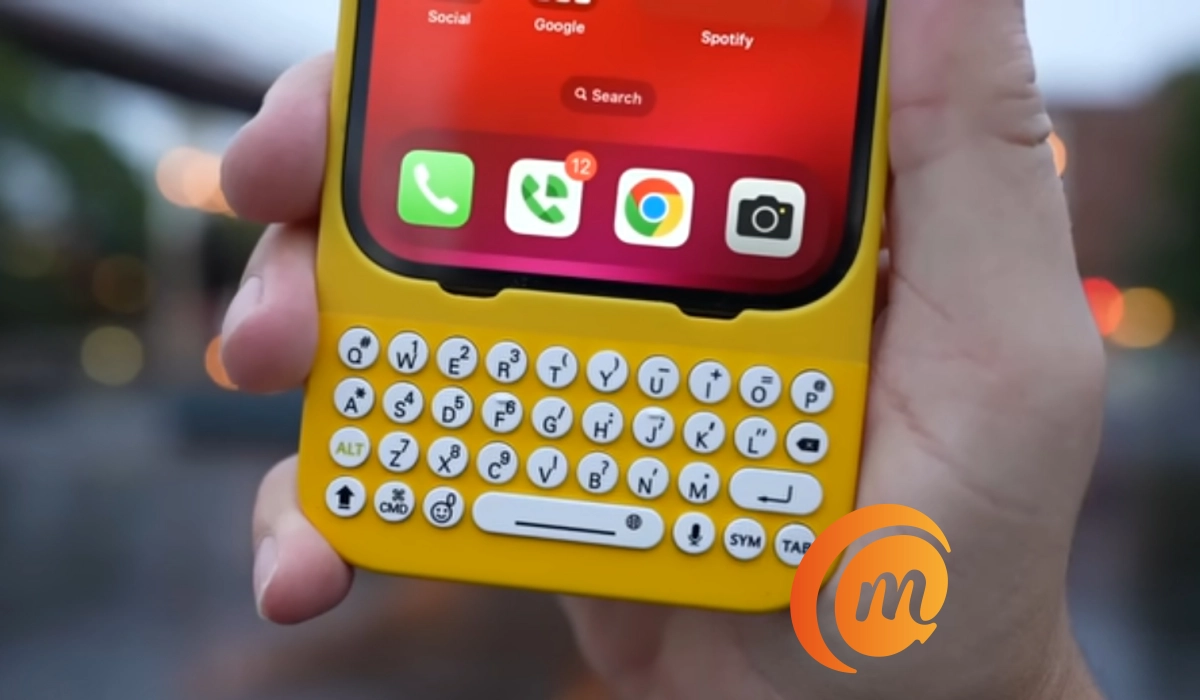
The Clicks BlackBerry-style iPhone keyboard is available for iPhone 14 Pro and will also be available for iPhone 15 Pro and Pro Max. It costs $139 in the United States. It will ship from February 10, if you are interested in picking one up for a try.
Who knows? My concerns about size and usability might turn out to be unnecessary and this back to the future initiative might just become a sensation. Time will tell. In the meantime, let me know what you think of it.
Author:Mister Mobility
Digital Skills and Communication Coach | Mobile Phone Connoisseur since 2001 | Tech Blogging since 2004
Add MobilityArena as a preferred source on Google
Introduction: The advent of 3D printing has initiated a revolutionary wave across a multitude of industries. This article aims to delve into the remarkable versac3D printing technology, from the precision of healthcare applications to the robust demands of aerospace engineering. As we uncover the industries that use 3D printing, we’ll explore the transformative nature of this technology. Particularly with industrial resin 3D printer , we’re witnessing a surge in high-quality, durable parts being produced at unprecedented speeds. These advancements are not only fueling innovation but also reshaping how industries approach design, prototyping, and production, marking a new era in manufacturing and engineering.
The Basics of 3D Printing
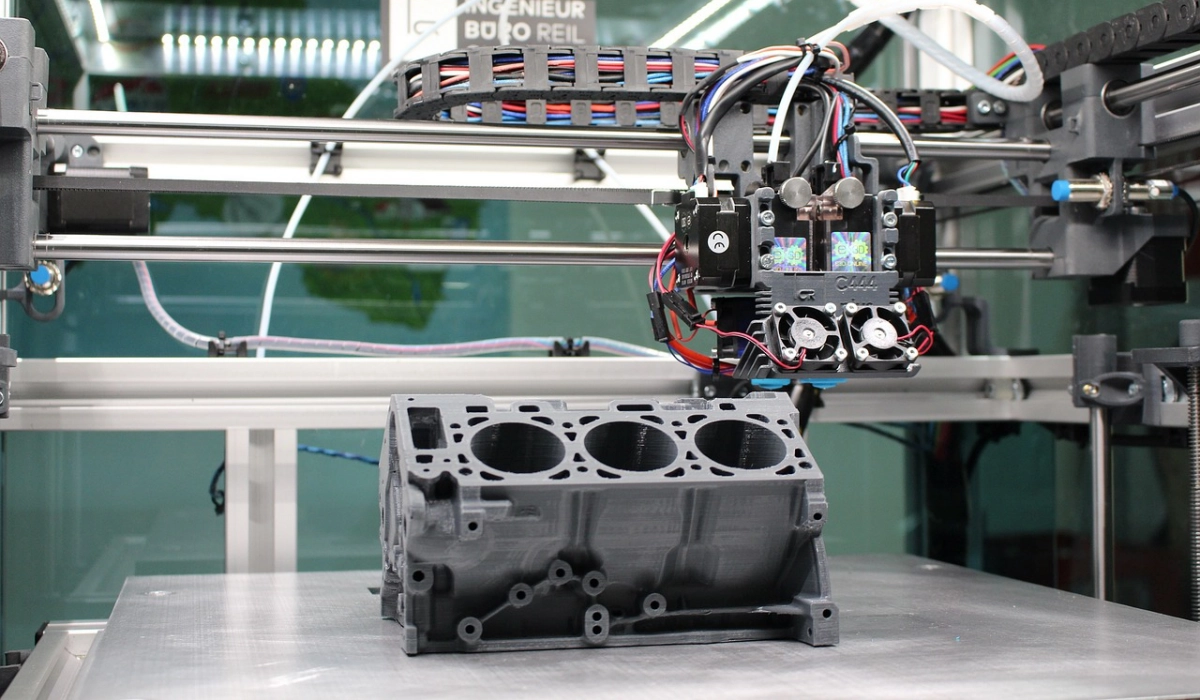
At its core, 3D printing is a process of creating three-dimensional objects from a digital file, layer by layer. Technologies like stereolithography, fused deposition modeling, and selective laser sintering are among the methods that have made 3D printing a versatile tool. The materials used are just as varied, ranging from plastics and metals to biocompatible resins, each offering unique benefits and challenges. Industries using 3D printing leverage these methods for their specific needs, shaping the future of manufacturing and design.
3D Printing in Healthcare
One of the most profound impacts of 3D printing is seen in healthcare, where it’s used to create custom prosthetics and implants tailored to individual patients. This personalization has revolutionized patient care, making it a prime example of who uses 3D printers. Bioprinting, a frontier of 3D printing, is making strides in replicating human tissues and organs, potentially solving organ shortage crises. The uses for 3D printers in healthcare are vast, illustrating the technology’s potential to save and enhance lives.
3D Printing in Aerospace
The aerospace industry benefits immensely from 3D printing. It’s used to manufacture complex, lightweight components that reduce overall aircraft weight and improve fuel efficiency. Spacecraft and satellites also see components made from this technology. The industries that use 3D printing, like aerospace, appreciate its ability to produce parts that are otherwise too complex or costly to make using traditional methods.
Other Industry Applications
Automotive: The automotive sector uses 3D printing for rapid prototyping and manufacturing custom parts. This accelerates design processes and offers flexibility in testing new concepts. Architecture and Construction In architecture, 3D printing is being used to create models and even functional components of buildings. Some projects even experiment with printing entire structures.
Consumer Goods: From custom jewelry to unique home decor, the consumer goods industry is leveraging 3D printing to offer personalized products to customers.
Challenges and Considerations
Despite the promising applications, 3D printing faces technical, ethical, and regulatory challenges. Questions around intellectual property, quality control, and environmental impact are central to discussions about the future of 3D printing. Industries using 3D printing must navigate these issues to fully harness the technology’s potential.
Future Trends and Innovations
Advancements in Materials: Ongoing research into new and improved materials will enable stronger, more flexible, and more diverse applications for 3D printing.
Increased Precision: As precision improves, 3D printers will be capable of producing more intricate and detailed objects, opening up possibilities for complex designs in various industries.
Expansion in Industries: More industries will adopt 3D printing for a range of uses, from complex machinery in manufacturing to intricate parts in the automotive sector.
Biomedical Breakthroughs: The field of bioprinting is set to expand, with the potential to replicate human tissues and organs, revolutionizing medical treatments and transplants.
Ubiquity of 3D Printers: 3D printers will become more accessible and common, becoming essential tools in businesses, homes, and educational institutions.
Customization and Personalization: Increased use of 3D printing will allow for more personalized and custom-made products, catering to individual needs and specifications.
Sustainability and Recycling: Advances in 3D printing will promote sustainable practices, with increased use of recycled materials and new ways to reduce waste.
Integration with Other Technologies: 3D printing will increasingly integrate with other technologies, such as AI and VR, to enhance design, prototyping, and production processes.
The future of 3D printing is not just about what we can create but how we can create it, with implications for efficiency, sustainability, and innovation. As these trends develop, the potential for 3D printing will continue to grow, reshaping industries and everyday life.
Conclusion
3D printing has demonstrated its vast potential and versatility across various sectors. From life-saving medical devices to advanced aerospace components, the applications are as diverse as they are impactful. As we continue to explore and innovate, the uses for 3D printing will expand, further integrating this technology into our daily lives and work. The journey of 3D printing is just beginning, and its trajectory points to a future redefined by creativity, efficiency, and endless possibilities. This evolving journey promises not only advancements in existing fields but also the emergence of new applications that we have yet to imagine, driving forward a wave of technological and creative revolution that will touch every corner of our lives.
References
To delve deeper into the world of 3D printing and its applications across industries, a myriad of resources is available for further reading and exploration. Engaging with these materials will enhance understanding and appreciation of how 3D printing is shaping the future.
Author:Anna Makama
Gadget lover making my way through life one day at a time.
Add MobilityArena as a preferred source on Google
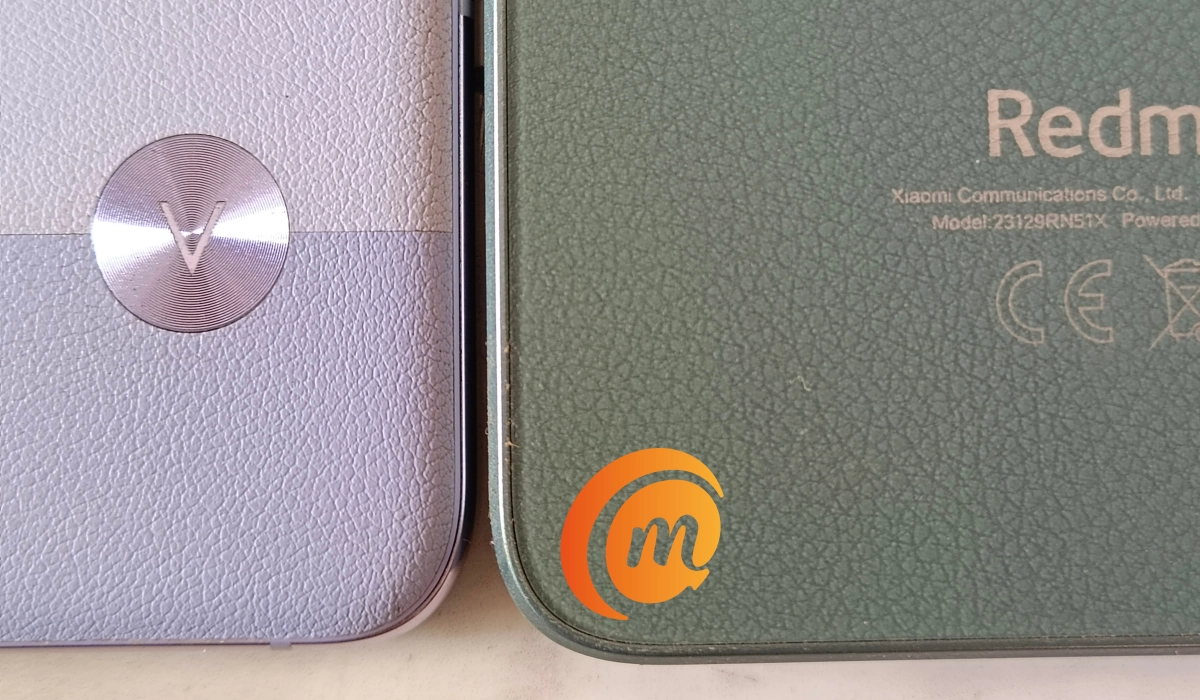
Vegan leather phones have a faux leather, artificial leather, eco-leather, or synthetic leather material. Vegan leather is a term that refers to synthetic materials that mimic the look and feel of leather, but do not use any animal products. Also called faux leather, artificial leather, eco-leather, or synthetic leather, it is often used in clothing, footwear, handbags, and other accessories, but recently, some smartphone manufacturers have also adopted it as a design choice for their devices.
Vegan leather is used in phones as a way to offer a stylish and durable alternative to plastic or metal cases, while also appealing to customers who want to avoid animal cruelty or environmental harm. This makes Vegan leather phones a delight for many buyers.
- What are Vegan Leather Phones made of?
- How Vegan Leather is produced
- Advantages of Vegan Leather Phones
- Disadvantages of Vegan Leather Phones
- Popular Vegan Leather Phones
- List of Vegan leather Phones
- Summary
What are Vegan Leather Phones made of?
But what is vegan leather made of, and why is it used in phones? This kind of faux leather is mainly composed of plastic polymers, such as PVC (polyvinyl chloride) or PU (polyurethane), that are applied to a fabric backing. These materials are cheap, durable, and easy to produce, but they also have some drawbacks, such as being non-biodegradable, releasing toxic chemicals, and cracking or peeling over time.
Some smartphone makers, such as Huawei, OPPO, Motorola, and TECNO have used PU leather and other kinds of synthetic leather in their flagship models. These phones feature vegan leather back covers in various colors, such as orange, green, or black, that offer a unique and premium feel.
However, vegan leather is not without controversy, as some environmentalists and animal rights activists have criticized it as a form of greenwashing, or misleading consumers about the environmental impact of a product. They argue that vegan leather is not truly vegan, as it uses fossil fuels and harms animals indirectly, and that it is not eco-friendly, as it contributes to plastic pollution and greenhouse gas emissions.
How Vegan Leather is produced
There are different ways to produce vegan leather, depending on the type of material used. Synthetic vegan leather is usually made from plastics such as polyurethane (PU) or polyvinyl chloride (PVC), which are applied to a fabric base and then textured to resemble animal leather. Natural vegan leather is made from plant-based materials such as cork, pineapple leaves, apple peels, or kelp, which are processed and treated to create a leather-like fabric.
Advantages of Vegan Leather Phones
Vegan leather has some advantages and disadvantages compared to real leather. Some of the advantages are:
- It is cruelty-free and does not involve killing or harming animals.
- It is more affordable and accessible than real leather, which can be expensive and scarce.
- It is easier to clean and maintain than real leather, which requires special care and products.
- It is more resistant to stains, scratches, and water damage than real leather, which can fade or crack over time.
- It is more versatile and customizable than real leather, which can have limited colors and styles.
Disadvantages of Vegan Leather Phones
Some of the disadvantages are:
- It is less durable and long-lasting than real leather, which can last for decades if well cared for.
- It is less breathable and comfortable than real leather, which can adapt to the body temperature and shape of the wearer.
- It is less eco-friendly than real leather, especially if it is made from plastics that are derived from fossil fuels and do not biodegrade.
- It is less authentic and unique than real leather, which can have natural variations and characteristics that make each piece different.
Popular Vegan Leather Phones
Some smartphones that have vegan leather (some are available in the US, while others can only be found in other markets):
OnePlus Open : A popular Vegan leather smartphone that is on sale in the US is the OnePlus Open. The Voyager Black colour scheme of this foldable phone has a faux leather back panel. It is perhaps the most high-end vegan leather phone today.
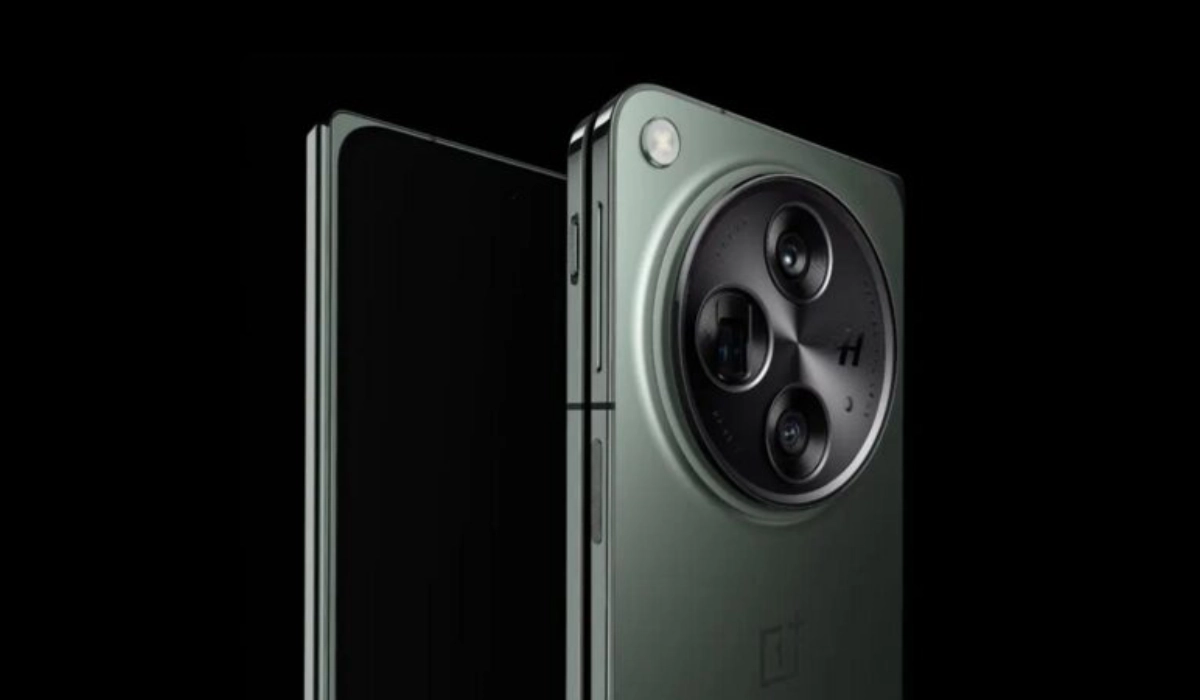
The OnePlus Open features a 7.82-inch Flexi-fluid AMOLED main display and a 6.31-inch Super Fluid AMOLED cover display, both with 120Hz refresh rate and 2800 nits peak brightness. It is powered by the Snapdragon 8 Gen 2 chipset with 16GB of RAM and 512GB of UFS 4.0 storage. It packs a 4805mAh battery with 67W wired charging.
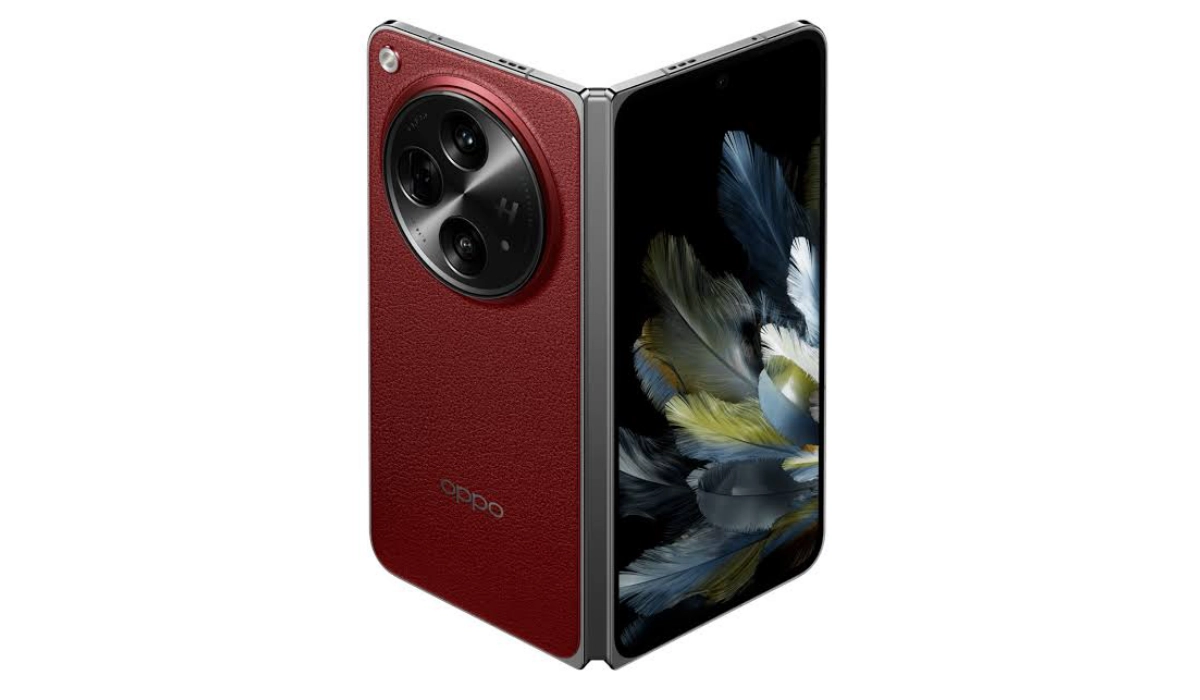
OPPO Find N3 : Pretty much the same phone as the OnePlus Open, the Find N3 incorporates faux leather only in the red and black colour schemes. The other colours have a glass back.
OPPO Find X2 Pro : This candy bar phone comes in a classy orange faux leather variant, in addition to a black ceramic option. It also has a 6.7-inch OLED display, a Snapdragon 865 chipset, and a 4260mAh battery. It was released in 2020 and so is a tad dated now, but you will find it and impressive and elegant smartphone to own.
Huawei Mate 50 Pro : This smartphone has a 6.74-inch OLED main display with 120Hz refresh rate. It runs on EMUI 13 or HarmonyOS 3.0, depending on the market, and is powered by the Snapdragon 8+ Gen 1 chipset with no 5G component, 8GB of RAM and 256GB or 512GB of storage. It supports 66W wired charging, 50W wireless charging, and 5W reverse wireless charging. It has IP68 water and dust resistance, dual stereo speakers, and an under-display fingerprint sensor.
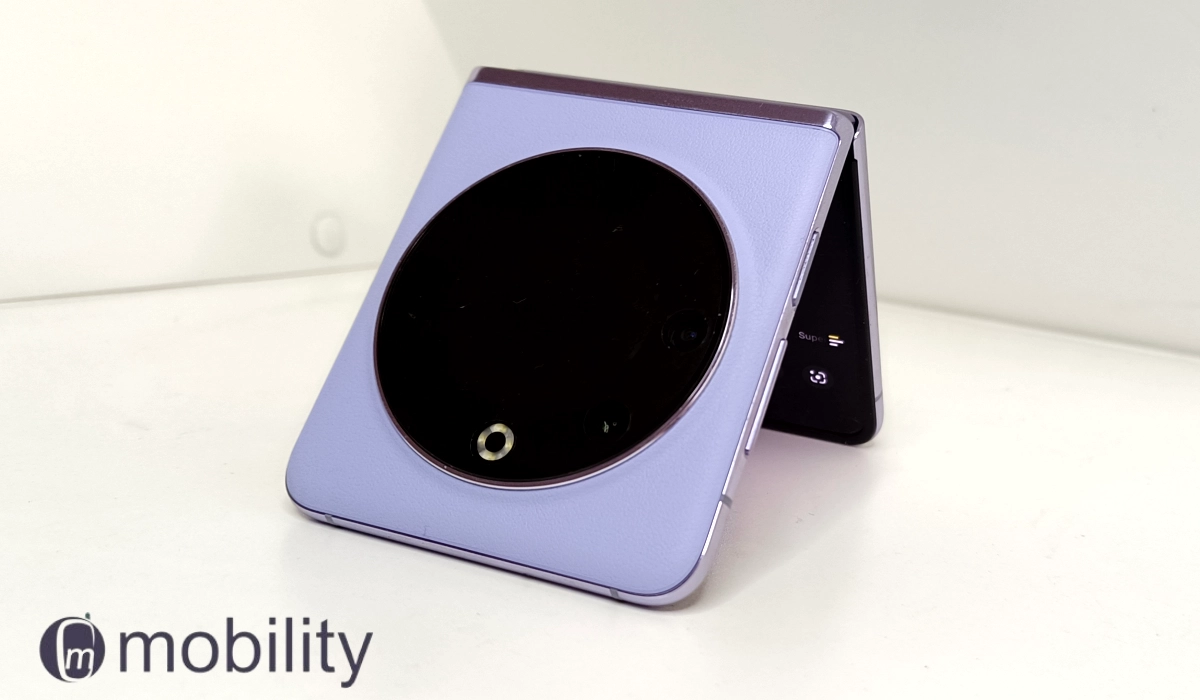
TECNO Phantom V Flip : This vertical foldable phone has a unique round OLED cover, and a 6.9-inch FHD+ flexible screen with 5G connectivity, MediaTek Dimensity 8050 chipset, and 4000mAh Super Battery with 45W Flash Charging. See a detailed review .
Motorola Edge 40 Neo : It has a 6.55-inch P-OLED main display with 120Hz refresh rate. It runs on Android 13 and is powered by the MediaTek Dimensity 7030 5G chipset with 8GB or 12GB of RAM and 128GB or 256GB of storage. It supports 68W wired charging, 50W wireless charging, and 5W reverse wireless charging. It has IP68 water and dust resistance, dual stereo speakers, and an under-display fingerprint sensor. The Caneel Bay colour scheme is the one with faux leather.
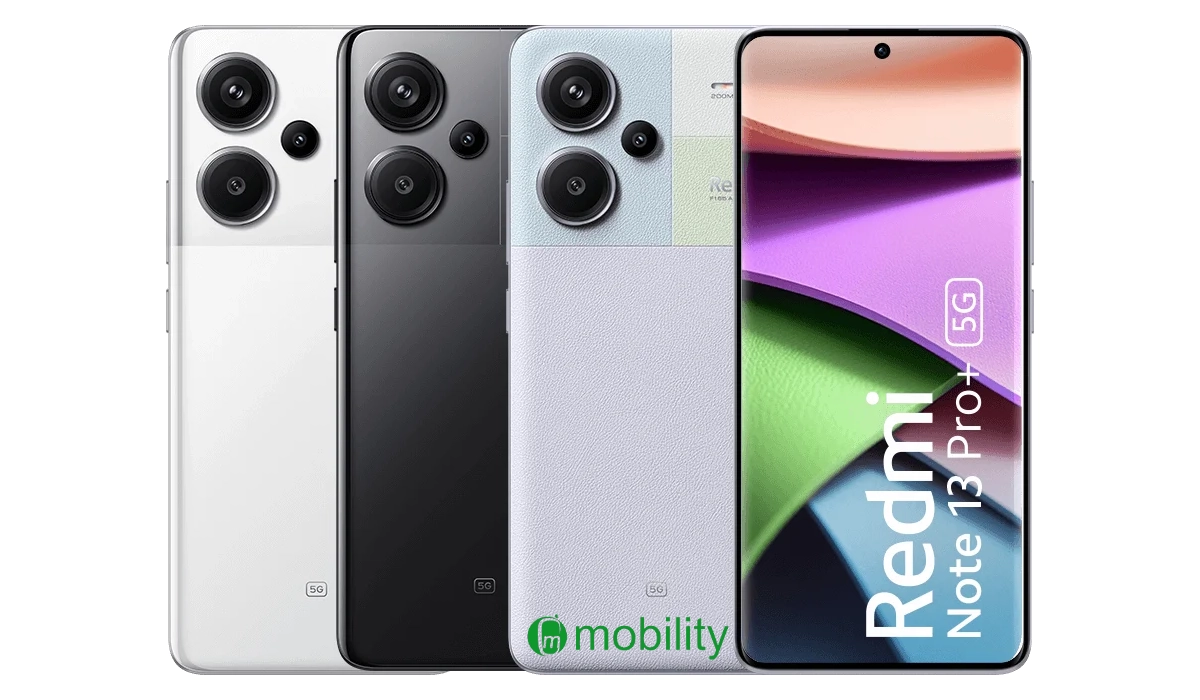
Xiaomi Redmi Note 13 Pro+ : This mid-range smartphone has a 6.67-inch AMOLED display, a 200 MP main camera, and a 5000 mAh battery. It runs on Android 13 with MIUI 14 and is powered by the MediaTek Dimensity 7200 Ultra chipset. The phone comes in four colors: white, black, green, and purple, with the the Fusion Purple option featuring a vegan leather back. The phone supports fast charging and can reach 50% battery in just 8 minutes.
These are some examples of popular vegan leather phones – using a stylish and durable alternative to plastic or metal cases. Below is a more detailed list of vegan leather phones that you can find to buy in the US and eslewhere:
List of Vegan leather Phones
- OnePlus 13
- Motorola Edge 50 Fusion
- Motorola Moto G85
- Motorola Edge 50 Neo
- Motorola Moto G35
- Motorola Edge 50 Pro
- Motorola Edge 50
- Motorola Moto G45
- Motorola Edge 50 Ultra
- Motorola Moto G75
- Samsung Galaxy F55
- Motorola Moto G Stylus 5G (2024)
- Motorola Moto G55
- Motorola Razr 50 Ultra
- Motorola Edge (2024)
- Samsung Galaxy F05
- Motorola Moto S50
- Motorola Razr 50
- Motorola razr+ 2024
- Motorola Moto G Power (2024)
- Motorola Moto G (2024)
- Samsung Galaxy C55
- Motorola S50 Neo
- Motorola Moto X50 Ultra
- OnePlus Open
- OPPO Find N3
- OPPO Find X2 Pro
Summary
In summary, Vegan leather phones are becoming popular. They refer to phones that use any material that looks and feels like leather, but is made without using animal products. It can be made from either synthetic or natural materials, or a combination of both. When made from synthetic materials, Vegan leather is just another word for plastic with fancy texture. But smartphone manufacturers are falling in love with it for use in their high-end devices. As such, you can expect to see more vegan leather phones announced and released in the months and years ahead.
Author:Mister Mobility
Digital Skills and Communication Coach | Mobile Phone Connoisseur since 2001 | Tech Blogging since 2004
