Add MobilityArena as a preferred source on Google
The last time that Xiaomi played in the entry-level segment of the smartphone market was in 2019 when it announced the Redmi Go . It cost just below US $100 and was the cheapest Xiaomi phone back then. It was quite a phone. Xiaomi is known for its value-for-money smartphones: meaning that for the same amount of money, you get better specs and features from Xiaomi than from most other brands. Yet, there is one area the brand is weak at – the entry-level end of the market.
I suspect that Xiaomi got burnt with that experiment, because after that, they completely abandoned the entry-level market and did not look back till date. Up till recently, the most affordable Xiaomi smartphone was probably the Redmi 9A, which costs about US $105 for the base variant. But in June 2022, Xiaomi has announced a new smartphone with an odd feature – a chipset with a name we had never heard before. I had never heard of the chip-maker called JLQ before now, but the chip that powers the new Xiaomi Poco C40 is from them.
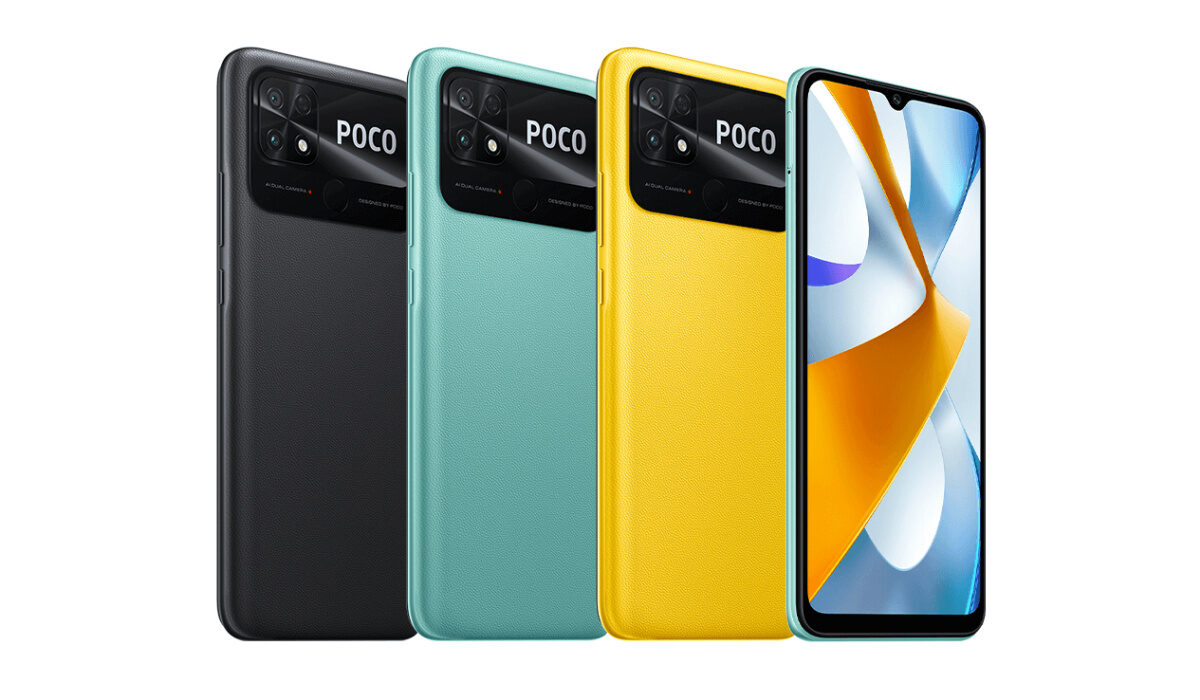
Is Poco C40 now the cheapest Xiaomi phone?
The JLQ JR510 is an 11 nm chipset clocked at 1.5 GHz, and it is paired with 3 GB RAM, 32 GB storage and 4 GB RAM, 64 GB storage options in the Poco C40. The display is a 6.71-inch LCD, and there is a big, 6000mAh battery coupled with 18W fast charging. The sales box comes with a 10W charger, though. That is clearly a cost-saving measure. In all, the Poco C40 is clearly a budget smartphone. Perhaps it will take the place of the Redmi 9A as the cheapest Xiaomi phone in the market. Find below the key specs.
- Xiaomi Poco C40 Quick Specs
- Redmi A2: Quick Specs
Xiaomi Poco C40 Quick Specs
- 6.71″, 1650 x 720 HD+, Dot Drop display, with Corning® Gorilla® Glass
- MIUI 13 for POCO, based on Android 11
- 13MP wide angle lens + 2 MP depth sensor at the back
- 5MP camera at the front
- 6000mAh battery
- 18W fast charging
- Rear fingerprint sensor
- AI face unlock
- 4G: LTE FDD: Band 1, 2, 3, 4, 5, 7, 8, 20, 28
- 4G: LTE TDD: Band 38, 40, 41 (2535MHz-2655MHz)
- 3G: WCDMA: Band 1, 2, 4, 5, 8
- 2G: GSM: Band 2, 3, 5, 8
- Bluetooth 5.0
- Wi-Fi: 802.11a/b/g/n/ac
- IP52 Water & dust resistance
- GPS | GLONASS | Galileo | BeiDou
- 3.5 mm headphone jack
- FM radio
The specs are not bad at all. They are quite decent, if I may say so. But it is definitely not an entry-level smartphone. The presence of Gorilla Glass is intriguing. It will likely be an older version, like v3.
What is the price of the new Poco C40 budget smartphone? It costs € 114 in the European Union, and £162 in the UK. That made it the cheapest Xiaomi phone in 2022.
Xiaomi mentioned global availability, but we don’t know how global the Poco C40 will get. The Poco sub-brand is not known to sell its models in many regions. Thankfully, you can get it in the UK and countries in the European Union (EU). But is it still the cheapest Xiaomi phone in 2024?
The Cheapest Xiaomi Phone in 2024 is the Redmi A2
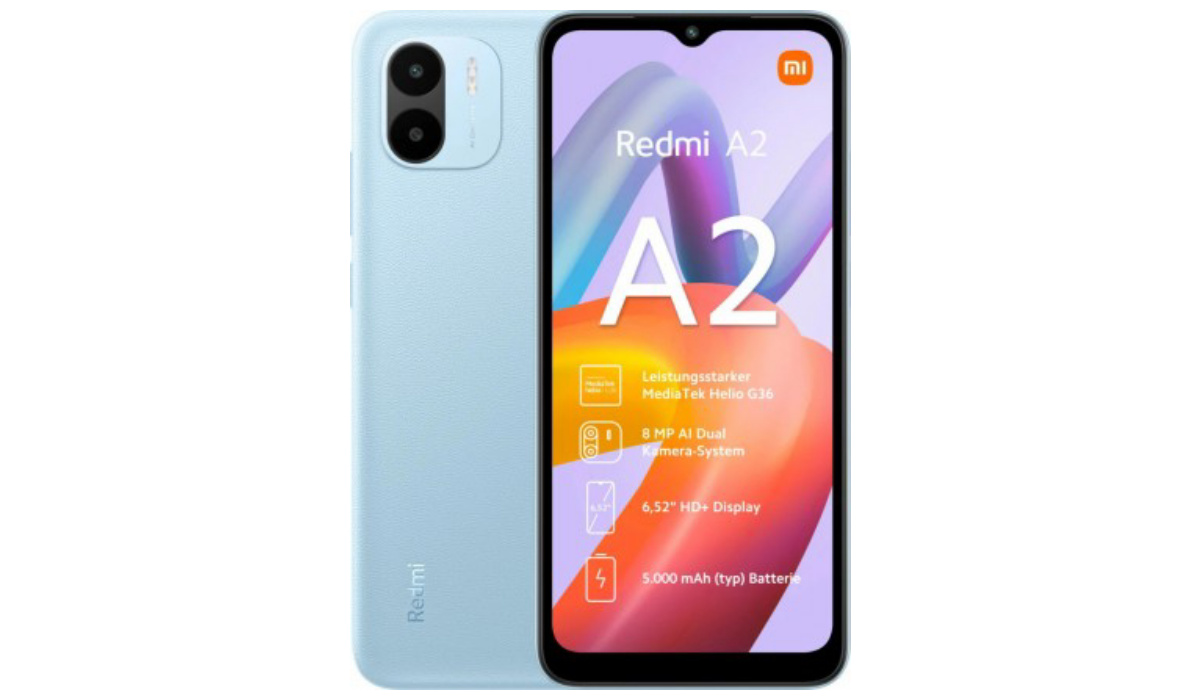
Redmi A2 is the cheapest Xiaomi phone of 2023
Xiaomi announced the Redmi A2 in 2023 and coming in at €97-€100 makes it the new cheapest Xiaomi phone available in the market. Now, this is a proper entry-level Android smartphone. Let’s look at the specs.
Redmi A2: Quick Specs
- OS: Android 13
- Release Date: 2023
- Network Type: 2G/3G/4G
- Display: 6.52-inch, 720 x 1600 pixels resolution
- Processor: MediaTek Helio G36
- Selfie Camera: 5 MP
- Rear camera: 8 MP dual
- RAM: 2 GB
- ROM: 32 GB
- Battery: 5000 mAh
Note that the Redmi A2 lacks a fingerprint scanner. There is no splash resistant rating, either. A number of other specs are dropped, too. Which should not be strange; you have to give up something to have the lower price. If a fingerprint scanner is non-negotiable for you, you might have to consider another model. But if you really must have the cheapest Xiaomi phone, this is it. Knowing how Xiaomi is not prolific with entry-level devices, it is doubtful that the Redmi A2 will have a replacement till later in 2024.
Author:Mister Mobility
Digital Skills and Communication Coach | Mobile Phone Connoisseur since 2001 | Tech Blogging since 2004
Add MobilityArena as a preferred source on Google
Samsung’s Galaxy Core models are the company’s entry-level line up. As such, the Galaxy A03 Core is an entry-level Android smartphone. I got my hands on it recently and took it through its paces briefly. I hope this review , in which we take the device for a hands-on experience, and share our first impressions, helps you get a detailed picture of what to expect from this model. Note that this is different from Samsung Galaxy A3 Core . Yes, the naming scheme is a bit confusing.
The Galaxy A03 Core was released in November 2021, just about 7 months ago, with Android 11 (Go Edition). Its replacement, Samsung Galaxy A04S Core, won’t arrive till around the same time this year, so if you want an affordable smartphone from Samsung, the A03 Core is where to start from. Let’s have a look at the key specs first.
- Samsung Galaxy A03 Core Specs
- What’s in the box?
- First Impressions
- Full Evaluation
Samsung Galaxy A03 Core Specs
- Android 11 (Go Edition)
- 6.5″ 720 x 1600 pixels, PLS LCD screen
- 5 MP selfie camera in front
- 8 MP triple camera at the back
- Unisoc SC9863A
- 2 GB RAM
- 32 GB built-in storage
- Dedicated microSD card slot
- 5000 mAh battery.
What’s in the box?
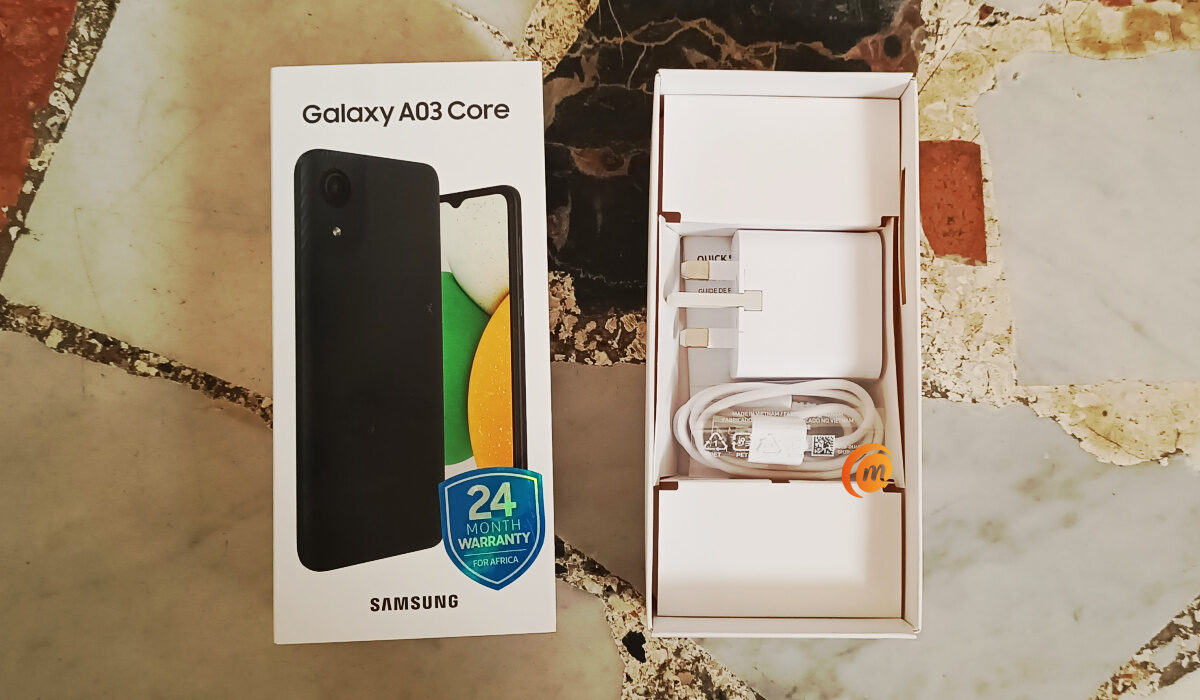
In the box was the phone itself, a 3-pin wall charger, a relatively short USB cable, a warranty card, and a pamphlet.
First Impressions
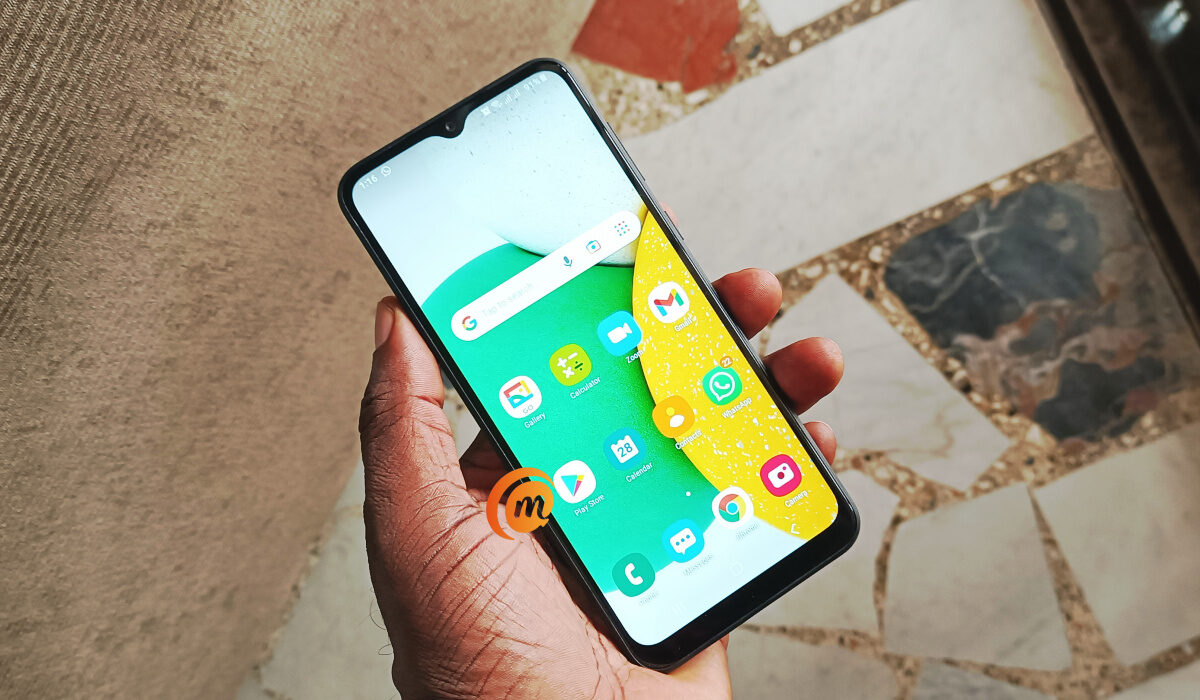
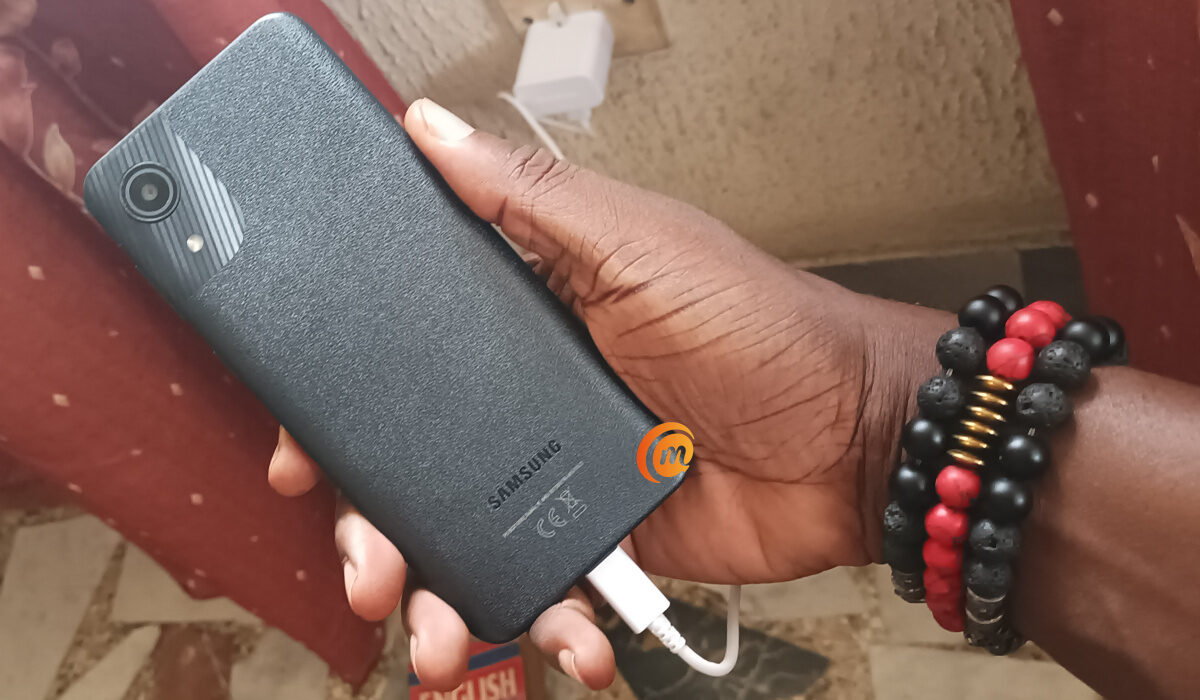
The Galaxy A03 Core is available in only two colours – Blue and Black. This review unit is black. The frame is made of plastic , as is the rear cover/panel. That rear panel is beautiful, though. It has a nice textured, pattern, in contrast to the slippery smooth back we see on some other models.
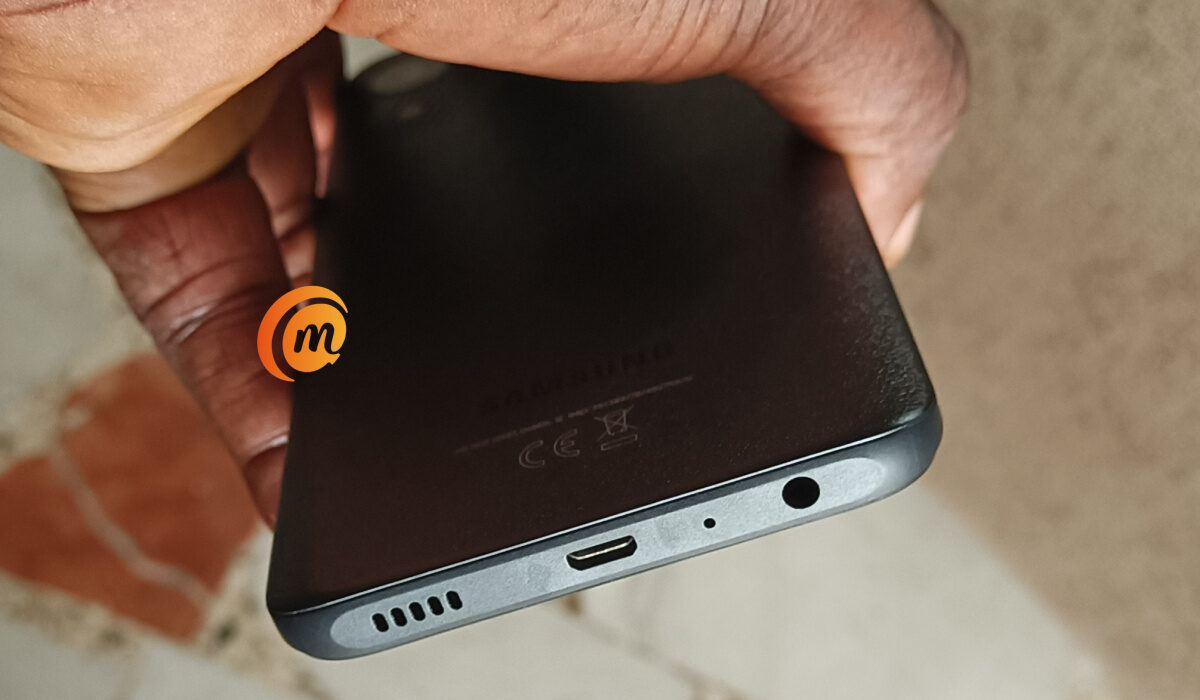
At the bottom edge of the A03 Core is a single firing loudspeaker, a regular micro-USB port (sorry, no Type-C), and a port for a 3.5mm audio headset. There is no fingerprint reader on this device, sorry again. There is nothing along the top and left edges. The right edge houses the volume keys and the power button.
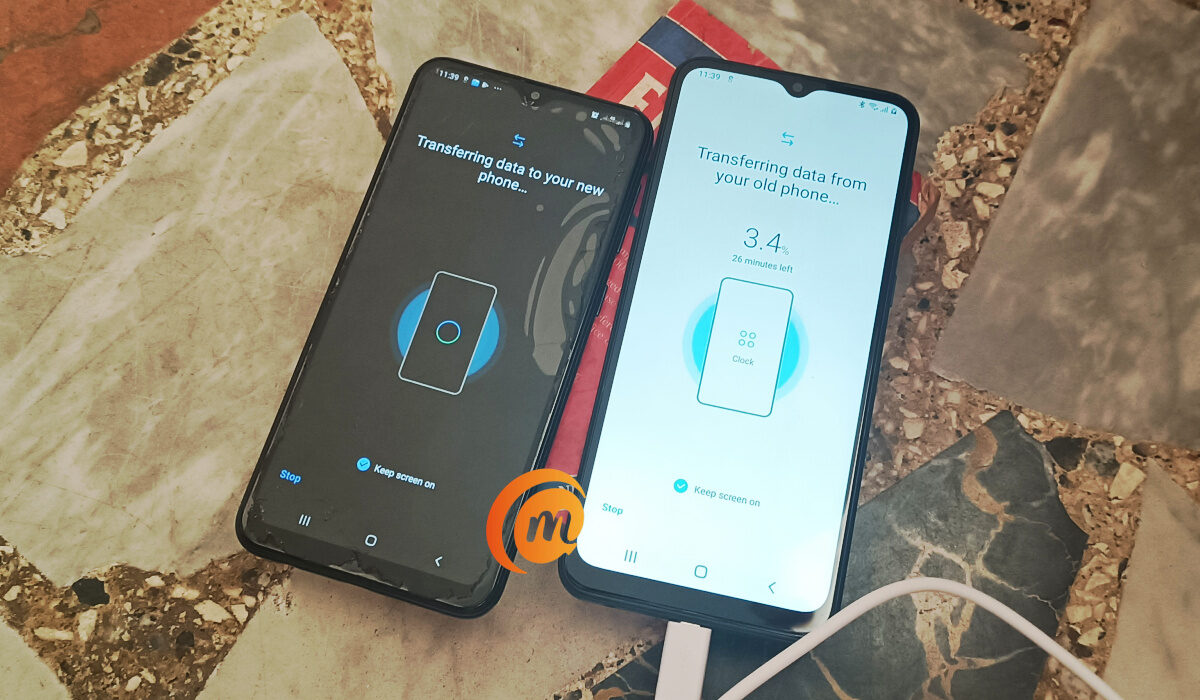
Switching from an older Samsung phone, in the case, Samsung Galaxy A10, was easy. I installed the Smart Switch app on both devices, initiated the transfer, and everything – all 5.7 GB in size – was moved over in under 30 minutes. What got moved? Videos, photos, documents, contacts, phone history, and SMS. Switching between phones should be as easy as this every time.
Full Evaluation
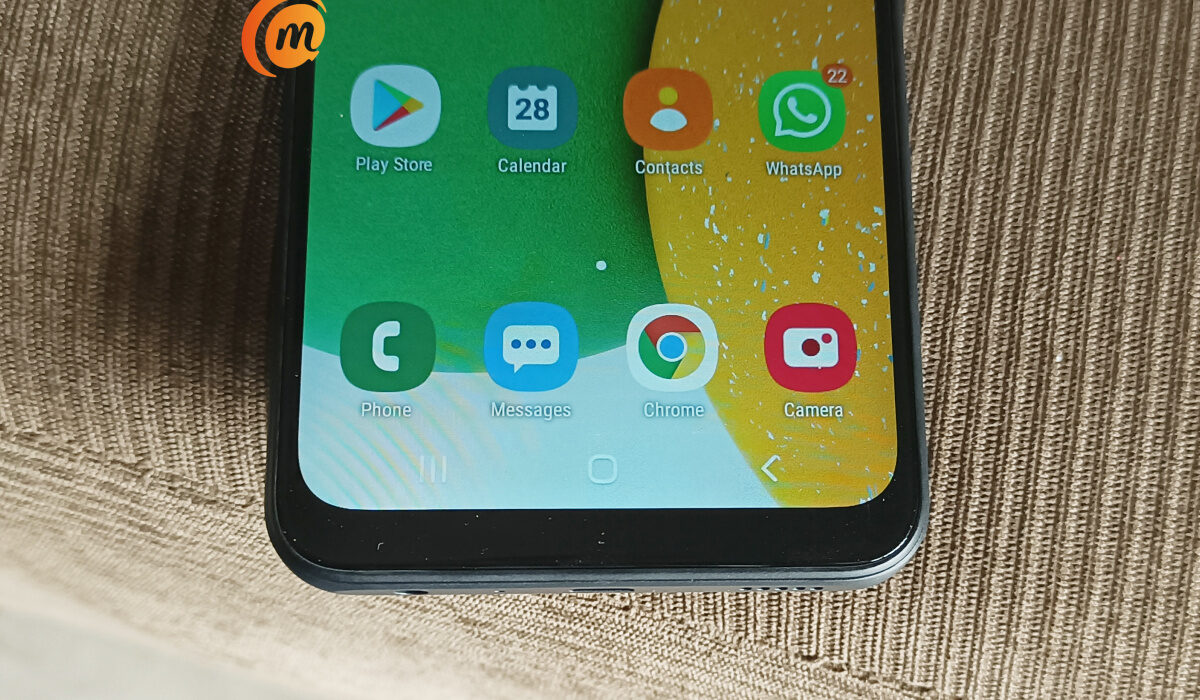
The phone has a good feel in the hand, and Samsung’s custom user interface (One UI) features nifty features and tools. It works well, too. While the true performance of a smartphone cannot be gauged in the first few hours of being setup, the phone ran smoothly while I had access to it. The Unisoc chipset doesn’t appear to be a horrible drag.
I dislike that there is no fingerprint scanner on a phone at this price point. Competing models from rival brands like Xiaomi and TECNO have a fingerprint reader. When you think of it, though, there is no fingerprint reader on the expensive, recent Apple iPhone flagships either. So, maybe this is not the unpardonable sin. Being an entry-level Android phone, there is no fast charging either.
What are the Samsung Galaxy A03 Core alternatives in the market? Depending on your country or region, have a look at Redmi 9A , Infinix Hot 12 Play , TECNO Pop 5 LTE , Nokia C21 , and Realme C11.
Thank you for spending time with my Samsung Galaxy A03 Core unboxing and in-depth review. I hope you enjoyed it and find it informative. I shall be bringing more smartphone unboxing and review articles your way shortly.
Author:Mister Mobility
Digital Skills and Communication Coach | Mobile Phone Connoisseur since 2001 | Tech Blogging since 2004
