Add MobilityArena as a preferred source on Google
As the world shifts towards sustainable transportation, electric vehicles (EVs) are no longer just a trend — they’re the future of driving. Imagine cruising down the highway in a sleek, high-tech electric car that not only reduces your carbon footprint but also offers cutting-edge features and exhilarating performance. With 2025 on the horizon, the automotive industry is gearing up to unveil some truly exciting electric models that promise to redefine our driving experience. Let’s explore the top 10 electric cars to watch in 2025 and what makes them stand out.
- Lucid Air Sapphire
- Tesla Model Y
- Hyundai Ioniq 5 N
- Ford F-150 Lightning
- Chevrolet Blazer EV
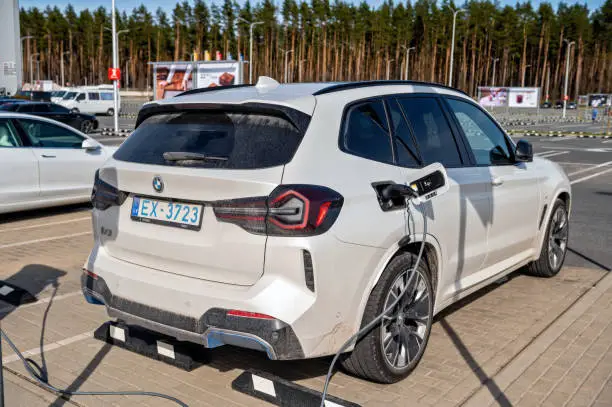
- BMW iX3
- Audi A6 e-tron
Lucid Air Sapphire
Kicking off our list of electric vehicles to watch out for in 2025 is the Lucid Air Sapphire, a luxury sedan that combines elegance with unparalleled performance. Priced at around $325,000, this powerhouse boasts an impressive range of over 500 miles on a single charge and accelerates from 0 to 60 mph in just 2.1 seconds. Imagine gliding silently past gas stations while enjoying a plush interior filled with high-end materials and state-of-the-art technology. The Lucid Air Sapphire is not just a car; it’s a statement.
Tesla Model Y
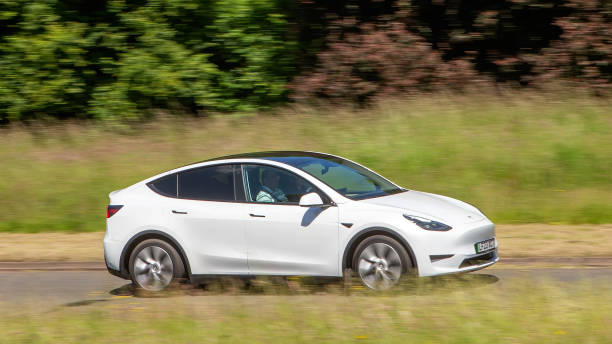
The Tesla Model Y continues to be a favorite among electric SUV enthusiasts, and for good reason. With its spacious interior, advanced autopilot features, and a range of up to 330 miles, it’s perfect for families and adventure seekers alike. The 2025 version is expected to include even more refined software updates and improved battery technology. Picture yourself taking a weekend road trip with friends, effortlessly navigating through traffic while enjoying the convenience of Tesla’s Supercharger network along the way. This is definitely one the luxurious electric vehicles
Hyundai Ioniq 5 N
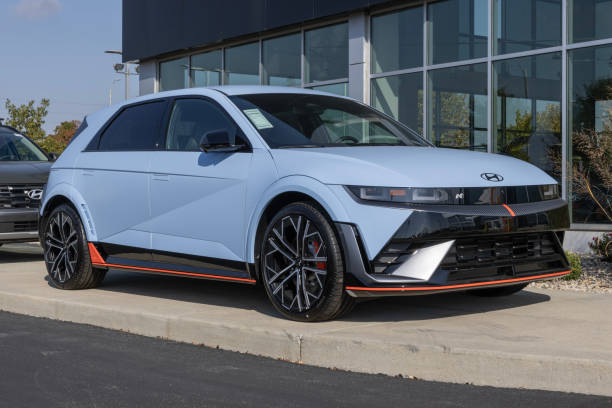
The Hyundai Ioniq 5 N is making waves as Hyundai’s first performance-oriented electric model. With a starting price around $67,575, this EV combines practicality with thrilling performance. It features dual motors that produce up to 641 horsepower, allowing it to sprint from 0 to 60 mph in just 3.4 seconds. Imagine hitting the open road with one of the electric vehicles that can handle both daily commutes and weekend track days — all while maintaining an eco-friendly footprint.
Ford F-150 Lightning
The iconic Ford F-150 has gone electric with the F-150 Lightning, and it’s set to revolutionize the pickup truck market. With a starting price around $55,000, this electric truck offers impressive towing capabilities and a range of approximately 300 miles. Envision using your truck not just for work but also as a power source for your tools or even your home during an outage — this versatility makes it a must-watch for on the list of electric vehicles for 2025.
Chevrolet Blazer EV
The Chevrolet Blazer is one of the electric vehicles to watch out for in 2025. It is poised to make its mark as an all-electric SUV that combines style with functionality. Expected to start around $44,995, it offers various configurations with different ranges, catering to diverse consumer needs. Imagine driving an SUV that turns heads while providing ample space for family outings and adventures—all without sacrificing performance or efficiency.
BMW iX3
The BMW iX3 is set to bring BMW’s luxury touch into the electric SUV segment. One of the electric vehicles with a difference. This model will feature an elegant design paired with advanced tech features and an expected range of about 300 miles on a single charge. Think about enjoying the thrill of driving a BMW while contributing to a greener planet—this balance of luxury and sustainability is what makes the iX3 exciting.
Audi A6 e-tron
The anticipated Audi A6 e-tron will offer a blend of luxury and performance typical of Audi vehicles while being fully electric. With multiple powertrain options expected, including high-performance variants, this sedan aims to compete directly with other luxury Electric Vehicles on the market. Imagine driving through city streets in an elegant sedan that not only looks stunning but also delivers exhilarating performance without emissions.
Author:Ifeoluwa Adeleke
Add MobilityArena as a preferred source on Google
Electric Cars VS Gas cars, which is worth the investment? As the automotive landscape continues to evolve, many drivers are faced with a pivotal question: should I invest in an electric vehicle (EV) or stick with a traditional gas-powered car? Imagine this scenario: you’re at a dealership, contemplating your next big purchase. You want a vehicle that not only fits your lifestyle but also makes financial sense. With electric cars gaining traction and gas prices fluctuating, understanding the total cost of ownership over time is crucial, hence finding yourself comparing both – Electric cars VS Gas cars! Let’s dive into the key factors that differentiate electric cars from gas cars and explore how these choices impact your wallet in the long run.
- The Initial Purchase Price
- Fuel Costs: Electricity vs. Gasoline
- Maintenance Costs
- Total Cost of Ownership Over Time Breaking Down the Costs Fueling Costs Maintenance Costs Depreciation – Electric cars vs Gas cars
- The Regional Factor
- Conclusion
The Initial Purchase Price
When considering the cost of ownership – looking at Electric cars vs Gas cars, the first thing that comes to mind is the initial purchase price. Generally, electric vehicles tend to have a higher upfront cost compared to their gasoline counterparts. For instance, as of 2024, the average price of an electric car is about $53,000, while gas cars average around $50,200. However, many EVs qualify for federal tax credits and state incentives that can significantly reduce this initial investment. Imagine buying a new electric vehicle and receiving a $7,500 federal tax credit—suddenly, that higher sticker price doesn’t seem so daunting. As more states introduce additional incentives for EV purchases, the gap between initial costs is narrowing.
Fuel Costs: Electricity vs. Gasoline

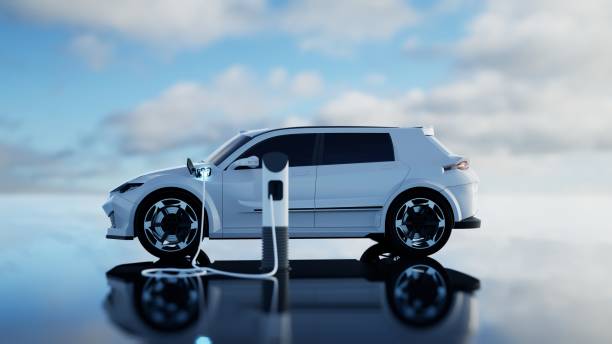
One of the most significant factors in determining the total cost of ownership is fuel costs. Electric cars vs Gas Cars – EVs are known for their efficiency. Charging an EV at home typically costs between $6 and $18 for a full charge, depending on electricity rates and charging habits. In contrast, gas prices can vary widely due to market fluctuations. Consider this: if you drive an electric vehicle like the Tesla Model 3, you could spend significantly less on fuel compared to a similar gas-powered vehicle. While charging at home is generally cheaper, public charging stations also offer savings compared to filling up at a gas station.
Maintenance Costs
Another area where electric vehicles shine is in maintenance costs. With fewer moving parts than traditional gas cars—no oil changes, spark plugs, or engine tune-ups—EVs often require less frequent servicing. Studies show that EV owners can save about 50% on maintenance costs compared to those driving gas vehicles. Imagine not having to worry about regular oil changes or engine repairs; instead, your biggest maintenance concern might be ensuring your tires are properly inflated! While battery replacement can be a significant expense (ranging from $5,000 to $15,000), modern EV batteries typically last between 8 to 10 years, and many manufacturers offer warranties covering this period. Honestly! There are wide ranges of things to consider when it comes to Electric cars vs Gas cars.
Total Cost of Ownership Over Time

When evaluating between Electric cars vs Gas cars,, it’s essential to look beyond the initial purchase price and consider the total cost of ownership (TCO) over time. The TCO includes various ongoing expenses such as fueling costs, maintenance costs, insurance premiums, and depreciation.
Breaking Down the Costs
Fueling Costs
- Electric vehicles are generally cheaper to fuel over their lifetime due to stable electricity prices compared to volatile gasoline prices.
- Over a typical 7–15 year period, studies suggest that electric vehicles can save drivers between $7,000 and $11,000 compared to gas-powered cars primarily due to lower fueling and maintenance costs.
Maintenance Costs
- As mentioned earlier, EVs have fewer moving parts resulting in lower labor costs for repairs.
- Gas cars require regular maintenance such as oil changes and emissions tests which add up over time.
Depreciation – Electric cars vs Gas cars
- Electric vehicles may depreciate faster than gas-powered models due to rapid advancements in technology; however, premium models like the Tesla Model 3 tend to hold their value better.
- Gas-powered vehicles typically have steadier depreciation rates but may not retain value as well as some newer EVs with advanced features.
The Regional Factor
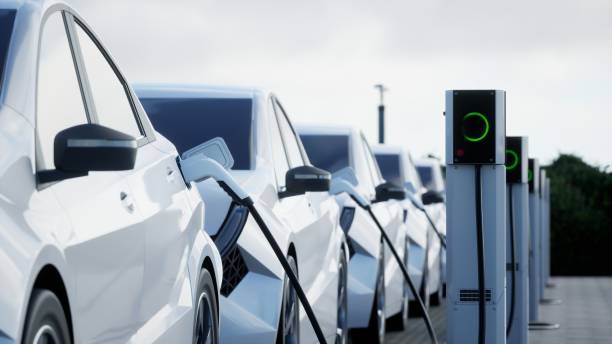
It’s important to note that location plays a significant role in determining ownership costs. For example, charging an EV can be more expensive in states like California due to higher electricity rates but cheaper in states like Texas or Florida where energy prices are lower. Similarly, insurance premiums can vary based on regional factors and vehicle types. Again, there are wide ranges of things to consider when it comes to Electric cars vs Gas cars. Imagine living in a state with generous tax incentives for electric vehicles; you might find that owning an EV not only saves you money on fuel but also offers significant savings through state rebates and lower insurance rates.
Conclusion
The debate between electric cars vs gas cars continues to evolve. While electric vehicles may have higher upfront costs, their long-term savings on fuel and maintenance make them an attractive option for many drivers. So whether you’re considering making the switch to an electric vehicle or sticking with traditional gasoline engines, it’s essential to weigh all factors carefully. Understanding the total cost of ownership will empower you to make informed decisions that align with your budget and lifestyle—ultimately leading you toward a more sustainable future on the road!
