Add MobilityArena as a preferred source on Google
The internet of things (IoT) refers to the global network of any and every connected device. These include: wearables like smart watches and fitness trackers, Google Home, Alexa Echo, smart displays, smart cars, smart homes, smart refrigerators, smart glasses, smart boards, etc. But that isn’t all there is to it.
It is an ever-growing network of everyday objects that are connected to the internet, recognized by other devices, and exchanging information. The Internet of things is a huge data farm with millions of gadgets exchanging, processing and using information in real time.
An example of the IoT at work right now is your smartphone is connected to your smartwatch, fitness tracker, and laptop. Information about your location, health and other conditions are synced across those devices and used in ways you have preset.
- What to expect from The Internet of Things (IoT)
- Examples of Internet of Things devices
- Benefits of Internet of Things
- Disadvantages of Internet of Things:
- The Internet of Things (IoT) and Security
What to expect from The Internet of Things (IoT)
What are the kind of solutions to expect in the future? There are so many. Especially when coupled with artificial intelligence (AI), the IoT has the potential to make life much easier for us.
As an example, think of connected traffic lights that monitor inner-city traffic in real-time and use the information to adjust their operations to the prevailing traffic at each period of the day. This is a classic case.
If a route suddenly gets clogged because of an accident, sensors along that route pass the info to the city’s traffic lights, which then adjust their timing to ease traffic flow. But it goes more than that.
Every person in that city who regularly uses that route or who is currently headed in that direction at that time, will get an alert warning them of the new traffic situation. They would also be offered alternative routes in order to avoid the area.
All these will happen without human agency: the devices talk to one another and act on available information. This is an example of how the Internet of things will make life easier for us.
Examples of Internet of Things devices
The Internet of Things (IoT) encompasses a wide range of devices that are connected to the internet and can communicate with other devices and systems. These devices can serve various purposes and can be found in different domains. Here are some common types of IoT devices:
Smart Home Devices: These devices are designed to make homes more convenient and efficient. Examples include smart thermostats, smart lighting, smart locks, and smart appliances.
Wearable Devices: Wearable IoT devices include smartwatches, fitness trackers, and health monitoring devices that collect and transmit data about the wearer’s health and activities.
Industrial IoT (IIoT) Devices: IIoT devices are used in industrial settings for monitoring and controlling machinery, optimizing production processes, and performing predictive maintenance.
Smart Cities Infrastructure: IoT is used to make cities more connected and efficient. Examples include smart traffic lights, waste management systems, and environmental monitoring.
Connected Vehicles: IoT is integrated into vehicles for various purposes, such as GPS navigation, vehicle tracking, driver assistance systems, and remote diagnostics.
Healthcare Devices: IoT devices are used for remote patient monitoring, medical equipment tracking, and health data collection, improving healthcare delivery.
Smart Agriculture: IoT devices in agriculture help monitor and optimize crop conditions, manage livestock, and automate farming processes.
Smart Grid and Energy Management: IoT is used to create smart energy grids, monitor energy consumption, and optimize energy distribution and production.
Environmental Monitoring: IoT sensors are used to monitor environmental conditions, such as air quality, water quality, and climate data.
Retail and Inventory Management: IoT devices help retailers track inventory, manage supply chains, and create personalized shopping experiences for customers.
Smart Building Management: These devices are used to optimize energy usage, control lighting and HVAC systems, and enhance security in commercial buildings.
Smart Appliances: Appliances like refrigerators, ovens, and washing machines can be IoT-enabled for remote control and automation.
IoT Sensors: These can be used in various applications, such as detecting motion, measuring temperature, humidity, or air quality, and monitoring water levels.
IoT Cameras: Security cameras, webcams, and surveillance cameras can be part of IoT systems for remote monitoring and recording.
Benefits of Internet of Things
The Internet of Things (IoT) has brought about a multitude of benefits in various aspects of our lives. Let’s look at them.
Automation and Efficiency: IoT devices can automate various tasks, making life more convenient and efficient. For example, smart thermostats can adjust the temperature based on your preferences and schedule.
Remote Monitoring and Control: IoT allows you to monitor and control devices and systems remotely. This is particularly valuable for security systems, home appliances, and healthcare devices.
Data Collection and Analysis: IoT devices generate vast amounts of data, which can be collected and analyzed to gain insights, improve decision-making, and enhance services.
Cost Savings: IoT can lead to cost savings through energy efficiency, predictive maintenance, and optimized resource usage. For businesses, this can translate into increased profits.
Safety and Security: IoT can enhance safety by enabling real-time monitoring of critical infrastructure, emergency response systems, and wearable safety devices.
Environmental Benefits: IoT can help reduce energy consumption, emissions, and waste through smart city initiatives, energy-efficient systems, and waste management.
Disadvantages of Internet of Things:
Privacy Concerns: IoT devices collect data, which can lead to concerns about data privacy and security breaches if not properly protected. Unauthorized access can lead to the exposure of personal information.
Security Vulnerabilities: IoT devices are often vulnerable to hacking and cyberattacks. Weak security measures can result in unauthorized control of devices or network breaches.
Complexity and Interoperability: The vast array of IoT devices from different manufacturers can lead to interoperability challenges and complexity in managing and integrating devices within a network.
Reliability and Dependence: As we become more reliant on IoT, system failures or disruptions can have significant consequences. Dependence on IoT can be a double-edged sword.
Job Displacement: In certain industries, automation and IoT can lead to job displacement as tasks become automated. However, it can also create job opportunities in fields related to IoT.
Environmental Impact: The manufacturing and disposal of IoT devices can contribute to electronic waste (e-waste) and environmental concerns if not managed responsibly.
The Internet of Things (IoT) and Security
Having everything connected this way poses real security and privacy risks. If you drive a smart car, it means it can be hacked the same way your PC can be hacked. Your personal information can be leaked and exposed. The dangers are real.
But as with any new technology, the way forward is not to kill the idea but to look for ways to safeguard it. There are people working round the clock to build secure systems that we all can use. the IoT will never be 100% secure. Nothing ever is.
The Internet of Things will help us manage our health better, live more comfortably, improve business/work productivity, even improve security, among other benefits. The fear of our personal data being misused or turned against us will always be there, but in all, a connected world is the future and will bring great benefits.
- Don’t miss our reviews .
- Follow us on Instagram , Facebook , Twitter , and YouTube .
Author:Mister Mobility
Digital Skills and Communication Coach | Mobile Phone Connoisseur since 2001 | Tech Blogging since 2004
Add MobilityArena as a preferred source on Google
We got an email from the Google Drive team notifying us of the new development about backups storage. Apparently, Facebook and Google have arrived at a deal that brings new benefits to users. The content of the email is reproduced below.
Due to a new agreement between WhatsApp and Google, WhatsApp backups will no longer count against Google Drive storage quota. However, any WhatsApp backups that have not been updated in more than a year will automatically be removed from storage. This policy will come into effect for all users on 12 November 2018, although some users may see the quota benefits earlier. To avoid the loss of any backups, we recommend that people manually back up WhatsApp before 12 November 2018.
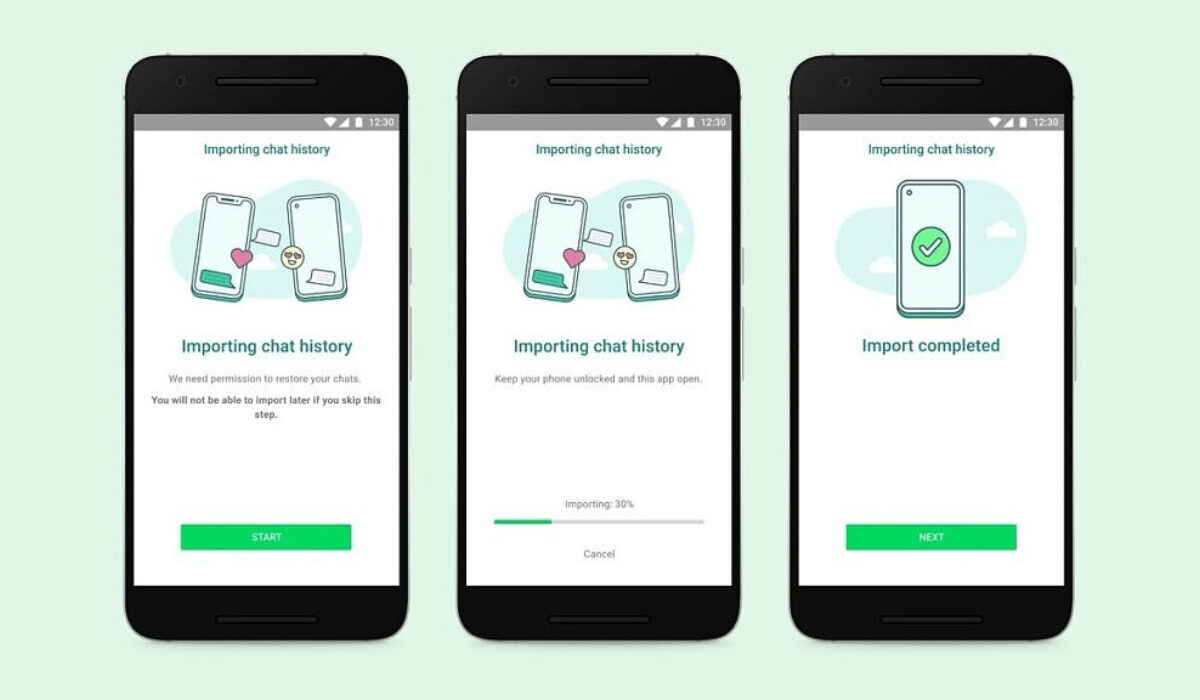
WhatsApp backups are useful when switching phones
If you are one of those WhatsApp users who include photos and videos in their backups, this will make a significant difference in your Google Drive storage quota. If you are like the rest of us who do not, this will make no difference at all to you.
Google has a 15GB quota free for all Google accounts, and should you need extra cloud storage, you can buy more at the following rates:
- 100GB for $1.99 per month
- 200GB for $2.99 per month
- 2TB for $9.99 per month
Meanwhile do not forget that any backups that have not been updated in over a year will be deleted, so do a manual WhatsApp backup before October 30, 2018. Also note that every time you create a WhatsApp backup using the same Google account, the previous backup gets overwritten and there is no way to restore that older backup.
- Don’t miss our mobile phone reviews .
- Follow our news on Google News .
- Join our WhatsApp Group , to be notified of the most important articles and deals,
- Follow us on Instagram , Facebook , Twitter , and YouTube .
