Add MobilityArena as a preferred source on Google
When it comes to smartphones, we often find ourselves dazzled by the sleek design, stunning display, and cutting-edge camera capabilities. But have you ever stopped to think about what truly makes these devices tick? That’s right – it all boils down to the phone processors and chipsets that lie at their very core.
The Brains of Your Device: Phone Processors and Chipsets
Phone processors and chipsets play a pivotal role in determining the overall performance and user experience of a smartphone. These tiny powerhouses are responsible for handling everything from gaming and multitasking to camera performance and app loading speeds.
In other words, they are the brains behind your device’s operation.
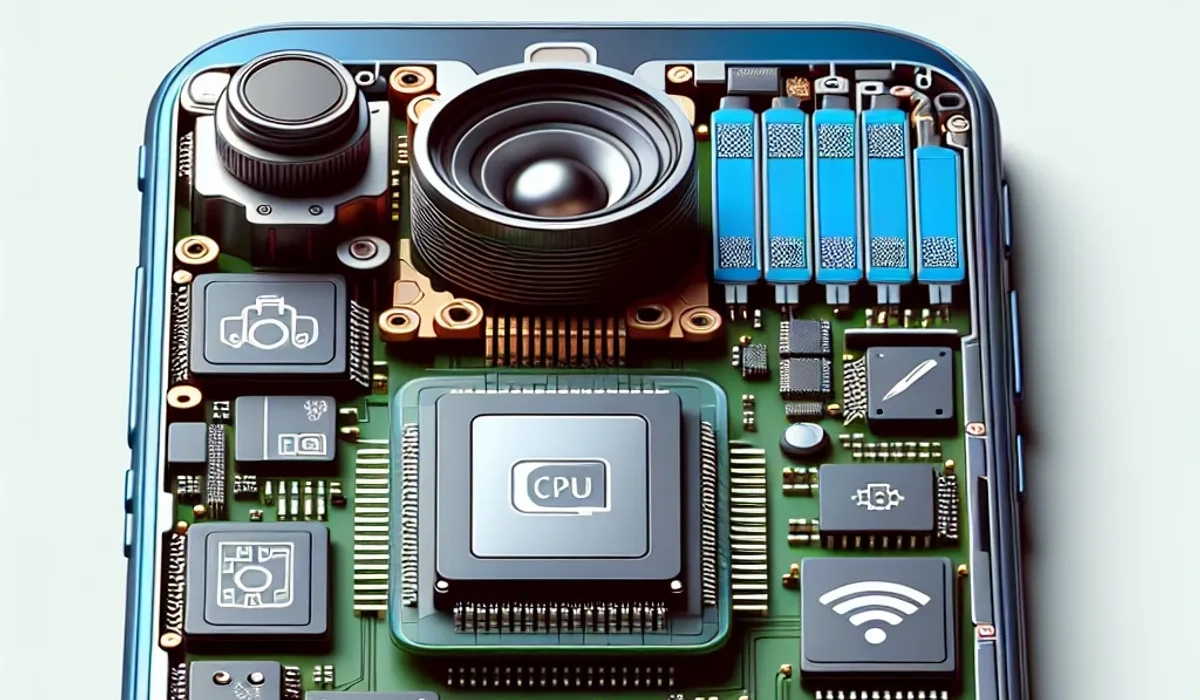
A cross-section of a modern smartphone, with the processor and chipset at the center, surrounded by a video game controller, app windows, and a camera lens.
How Processors Work and Their Impact on Smartphone Usage
Processors are essentially the central processing units (CPUs) of smartphones. They execute instructions, perform calculations, and handle data processing tasks at an incredible speed.
Here’s how they impact different aspects of smartphone usage:
- Gaming : A powerful processor can make all the difference between smooth gameplay and frustrating lag.
- Multitasking : Multitasking becomes a breeze with a robust chipset that can effortlessly handle multiple apps running simultaneously.
- Camera Performance : A top-notch processor ensures quick image processing and seamless video recording.
Now that we understand the significance of phone processors and chipsets, let’s delve into this article’s structure and key takeaways:
- Factors used to rank smartphone processors
- Comparison between popular Snapdragon and MediaTek processors
- Analysis of the top-performing processors in 2023
- Ranking of MediaTek chipsets for exceptional mid-range performance
- Processor comparison across different brands
- Detailed ranking list for mid-range mobiles
Get ready to embark on a journey through the world of smartphone processors – where power meets innovation and performance takes center stage. Let’s dive in!
Understanding Mobile Chipsets: A Comprehensive Guide
When choosing a smartphone, one of the most important things to consider is the processor or chipset it uses. The processor is like the brain of the phone, responsible for doing all the tasks and making everything run smoothly. In this guide, we’ll take a closer look at smartphone processors and talk about what you should know when comparing them.
What to Look for in a Smartphone Processor
There are a few key things to keep in mind when you’re trying to figure out which processor is best for you:
- Performance : How fast and powerful is the processor? This can be measured using benchmark scores, which give you an idea of how well the processor handles different tasks. Higher scores generally mean better performance.
- Battery Life : How efficient is the processor when it comes to power usage? A more efficient processor can help your phone’s battery last longer, which is always a good thing.
- Special Features : Does the processor have any special features that make it stand out? For example, some processors have built-in support for advanced camera features or faster internet speeds.
By considering these factors, you can get a better idea of which processor will work best for you. Now let’s take a closer look at two popular processor series: Snapdragon and MediaTek.
“Performance, battery life, and special features are all important things to think about when comparing smartphone processors.”
“By keeping these things in mind, you can make a smart choice when picking out a new phone.”
The Snapdragon vs. MediaTek Dilemma: Choosing the Right Processor for Your Needs
Smartphone processors and chipsets are key factors in determining how well a device performs and how satisfying the user experience is. They act as the brains of a smartphone, responsible for carrying out tasks, managing multitasking capabilities, and optimizing various hardware components to ensure smooth operation. When evaluating what a smartphone can do, it’s important to take into account both the processor and chipset specifications.
Two major players in the smartphone processor market are Snapdragon and MediaTek. Let’s take a closer look at each one and compare their strengths and weaknesses.
Snapdragon Processors:
Snapdragon processors, made by Qualcomm, have become extremely popular due to their large market share and strong reputation. They are known for their impressive performance, advanced features, and optimized software.
Here are some advantages of Snapdragon processors:
- High Performance : Snapdragon processors are famous for delivering top-tier performance. They consistently provide excellent processing power, which allows for seamless multitasking, gaming, and overall device responsiveness.
- Software Optimization : Thanks to Qualcomm’s close collaboration with Android, software integration and optimization with Snapdragon processors is excellent. This leads to an enhanced user experience and improved compatibility with apps.
- Available in Different Price Ranges : Snapdragon processors cover a wide range of prices, from high-end flagship devices to more affordable mid-range smartphones. This means that users have access to powerful processors regardless of their budget.
However, there are a few things to consider when considering Snapdragon processors:
- Higher Power Consumption : Due to their high-performance capabilities, Snapdragon processors may use up more power compared to other options. This can have an impact on battery life if not managed efficiently.
- Less Custom ROM Support : While Snapdragon processors enjoy strong support from the developer community, availability of custom ROMs might be limited compared to certain other processor series.
MediaTek Processors:
MediaTek is another major player in the smartphone processor market. Their processors offer competitive performance at affordable prices, making them popular among budget-conscious consumers.
Here are some advantages of MediaTek processors:
- Affordability : MediaTek processors are often found in budget-friendly smartphones, providing a cost-effective choice for users who prioritize getting the most out of their money.
- Balanced Performance : MediaTek processors strike a good balance between performance and power efficiency. They offer sufficient processing power for everyday tasks without excessively draining the battery.
- Good Custom ROM Support : MediaTek processors have solid backing from the developer community, resulting in a wider availability of custom ROMs and modifications.
However, there are a few things to consider when opting for MediaTek processors:
- Limited High-end Performance : While MediaTek processors perform well in mid-range devices, they might not match the raw processing power of flagship Snapdragon processors.
- Software Optimization : Although MediaTek has made significant improvements in software optimization over the years, some users might still encounter occasional compatibility issues with certain apps or games.
In conclusion, choosing between Snapdragon and MediaTek processors ultimately depends on your specific requirements and preferences. If you value top-notch performance, software optimization, and availability across different price ranges, then Snapdragon processors are an excellent choice. On the other hand, if you’re on a tight budget and prioritize balanced performance with decent power efficiency, then MediaTek processors offer great value for your money.
Top Mobile Chipsets in 2024: Powerhouse Performance Unleashed
When it comes to smartphone processors, Snapdragon is a name that stands out. Known for their cutting-edge technology and superior performance, Snapdragon processors have become synonymous with flagship smartphones. In this section, we will dive into the top Snapdragon processors in 2023 and explore their incredible capabilities. Get ready to witness powerhouse performance unleashed!
1. Snapdragon 8 Series: Flagship Performance Redefined
The Snapdragon 8 series is the epitome of flagship performance. These processors are designed to take your smartphone experience to new heights. Let’s delve into the key features, performance benchmarks, and notable devices that utilize them.
Key Features
The Snapdragon 8 series processors boast a myriad of features that contribute to their exceptional performance. From advanced AI capabilities to lightning-fast download speeds with integrated 5G connectivity, these processors have it all.
Performance Benchmarks
When it comes to raw processing power, the Snapdragon 8 series leaves no room for disappointment. With blazing-fast clock speeds and multiple cores, these processors can handle anything you throw at them. Whether you’re gaming, multitasking, or editing videos on the go, expect smooth and seamless performance.
Notable Devices
Some of the notable devices powered by Snapdragon 8 series processors include the latest flagship smartphones from renowned brands like Samsung, Google, and OnePlus. These devices not only offer top-notch performance but also provide an immersive user experience with stunning displays and exceptional camera capabilities.
With the Snapdragon 8 series at the helm, you can expect nothing short of a flagship-level experience on your smartphone.
2. Snapdragon 7 Series: Balancing Power and Affordability
Not everyone wants or needs a flagship-level smartphone. That’s where the Snapdragon 7 series comes into play. These processors strike a perfect balance between power and affordability, catering to a wider audience. Let’s take a closer look at what they have to offer.
Target Market Segment
The Snapdragon 7 series processors are designed for mid-range smartphones, making them accessible to a larger user base. These devices often provide an excellent value proposition, offering impressive performance without breaking the bank.
Gaming Capabilities
Mobile gaming has skyrocketed in popularity, and the Snapdragon 7 series processors ensure you don’t miss out on the action. With powerful graphical processing units (GPUs) and optimized software, these processors deliver smooth gameplay and immersive graphics.
Energy Efficiency Advantages
Battery life is a crucial factor for many smartphone users. The Snapdragon 7 series processors excel in power efficiency, allowing you to enjoy extended usage without constantly reaching for the charger. This is particularly important for users who rely heavily on their smartphones throughout the day.
The Snapdragon 7 series strikes a fine balance between performance and affordability, making it an excellent choice for those seeking a mid-range smartphone with solid capabilities.
3. Snapdragon 6 Series: Catering to the Masses
Not everyone needs the latest and greatest features in their smartphones. The Snapdragon 6 series processors cater to budget-friendly smartphones and entry-level devices, bringing reliable performance to the masses. Here’s what you need to know about them.
Budget-Friendly
The Snapdragon 6 series processors enable smartphone manufacturers to create affordable devices without compromising on essential features. These processors provide adequate performance for everyday tasks like web browsing, social media, and light gaming.
Entry-Level Devices
Whether you’re buying your first smartphone or looking for a device with basic functionality, the Snapdragon 6 series has got you covered. These processors offer a cost-effective solution for those who prioritize affordability over cutting-edge features.
While not as powerful as their higher-end counterparts, the Snapdragon 6 series processors still deliver a smooth user experience at an affordable price point.
2. Snapdragon 7 Series: Balancing Power and Affordability
When it comes to smartphone processors, the Snapdragon series from Qualcomm is one of the leading choices among smartphone manufacturers. The Snapdragon processors are known for their powerful performance, energy efficiency, and advanced features that enhance the overall user experience.
In this section, we will delve into the Snapdragon 7 series processors and explore their target market segment, gaming capabilities, and energy efficiency advantages.
What Makes Snapdragon 7 Series Processors Stand Out?
The Snapdragon 7 series processors are designed to strike a balance between power and affordability, making them an excellent choice for mid-range smartphones. These processors offer impressive performance that can handle demanding tasks without compromising on battery life or breaking the bank.
Here are the key features that make Snapdragon 7 series processors stand out:
- Performance: The Snapdragon 7 series processors deliver smooth and responsive performance, allowing users to seamlessly multitask between apps and enjoy lag-free gaming experiences.
- Energy Efficiency: These processors are optimized for power efficiency, ensuring that your device lasts longer on a single charge. This is especially beneficial for users who rely heavily on their smartphones throughout the day.
- Gaming Capabilities: Snapdragon 7 series processors come with Qualcomm’s Adreno GPU, which provides excellent graphics rendering for immersive gaming experiences. Whether you’re playing casual games or graphics-intensive titles, these processors can handle it all.
- Connectivity: With support for 4G LTE and advanced wireless technologies, Snapdragon 7 series processors enable fast download speeds and reliable network connectivity.
- AI Capabilities: These processors integrate AI processing capabilities, allowing for enhanced camera features such as intelligent scene detection and improved image processing.
Who Are Snapdragon 7 Series Processors For?
The Snapdragon 7 series processors primarily cater to the mid-range smartphone market segment. These devices offer a compelling combination of performance and affordability that appeals to budget-conscious consumers who still want a powerful smartphone experience.
Whether you’re a student, professional, or someone who simply wants a reliable smartphone without breaking the bank, the Snapdragon 7 series processors have you covered.
The Benefits of Snapdragon 7 Series Processors for Gaming and Battery Life
One of the standout features of Snapdragon 7 series processors is their gaming capabilities. These processors are equipped with powerful GPUs and advanced gaming optimizations, making them capable of delivering smooth gameplay and stunning visuals. Whether you enjoy casual mobile gaming or more demanding titles, the Snapdragon 7 series processors ensure a lag-free and immersive gaming experience.
In addition to gaming, energy efficiency is another key advantage of Snapdragon 7 series processors. The combination of power-efficient CPU cores and intelligent power management allows these processors to deliver excellent battery life without compromising on performance. This means you can enjoy using your device throughout the day without constantly worrying about running out of battery.
Overall, the Snapdragon 7 series processors strike a perfect balance between power and affordability, making them an excellent choice for mid-range smartphones. With their impressive performance, energy efficiency advantages, and gaming capabilities, these processors offer a compelling package that meets the needs of budget-conscious consumers who still desire a powerful smartphone experience.
3. Snapdragon 6 Series: Catering to the Masses
The Snapdragon processor has undoubtedly earned its spot on the ranking list of smartphone processors, and one of its popular offerings is the Snapdragon 6 Series. Let’s take a closer look at this series and explore its significance in the smartphone market.
Overview of the Snapdragon 6 series processors
The Snapdragon 6 Series is designed to cater to the masses with its focus on delivering reliable performance at an affordable price point. This series is often found in budget-friendly smartphones and entry-level devices, making it accessible to a wide range of consumers who are looking for a reliable and cost-effective option.
Performance and affordability
While it may not offer the same level of performance as the flagship Snapdragon processors, the Snapdragon 6 Series still holds its own in terms of power and efficiency. Qualcomm has optimized these processors to strike a balance between performance and affordability, ensuring that users can enjoy a smooth and seamless smartphone experience without breaking the bank.
- Whether you’re browsing the web, streaming videos, or engaging in light multitasking, the Snapdragon 6 Series processors provide ample power to handle everyday tasks with ease.
- While they may not be suited for resource-intensive gaming or heavy-duty multitasking, they offer a solid foundation for general smartphone usage.
Other notable features
In addition to their affordability, Snapdragon 6 Series processors also bring other notable features to the table. These include:
- Support for efficient power management, enabling longer battery life for extended usage.
- Integrated connectivity options like Wi-Fi and Bluetooth, ensuring seamless connectivity across different devices.
Overall, the Snapdragon 6 Series caters to those seeking a reliable and affordable smartphone experience. While it may not offer top-tier performance found in flagship devices, it strikes a balance between power and affordability that makes it an attractive choice for budget-conscious consumers.
Ranking the Best MediaTek Processors for Exceptional Mid-range Performance
When it comes to mid-range smartphones, MediaTek processors have gained significant popularity for their exceptional performance and value for money. With a range of chipsets designed to cater to different user needs, MediaTek has made its mark in the mobile industry. In this section, we will explore the top-ranking MediaTek processors that deliver exceptional mid-range performance.
1. Dimensity Chipsets: Empowering Next-generation Connectivity
MediaTek’s Dimensity chipsets have been making waves in the smartphone market, thanks to their advanced features and capabilities. Let’s dive into a detailed analysis of these top-performing chipsets:
Advanced 5G Capabilities
One of the standout features of Dimensity chipsets is their support for blazing-fast 5G connectivity. These chipsets incorporate the latest 5G modem technologies, allowing users to enjoy seamless browsing, streaming, and gaming experiences on their mid-range devices.
AI Processing Prowess
MediaTek has placed a strong emphasis on artificial intelligence (AI) capabilities in its Dimensity chipsets. With dedicated AI processing units (APUs), these chipsets can handle complex AI tasks efficiently, resulting in improved camera performance, enhanced gaming experiences, and smarter power management.
Multimedia Enhancements
Dimensity chipsets come equipped with advanced multimedia enhancements that elevate the overall audiovisual experience on mid-range smartphones. Whether it’s capturing stunning photos with AI-powered camera features or enjoying immersive audio playback, these chipsets ensure a truly captivating multimedia experience.
Notable Dimensity-powered devices include the Realme Narzo 30 Pro, Xiaomi Redmi Note 10 Pro, and Oppo Reno5 Pro. These smartphones offer exceptional mid-range performance at competitive price points.
2. Helio Chipsets: Meeting the Needs of Everyday Users
MediaTek’s Helio chipset lineup caters to the needs of everyday users who seek a balance between performance and affordability. Here are some key highlights of these chipsets:
Power Efficiency Optimizations
Helio chipsets prioritize power efficiency, ensuring longer battery life for mid-range smartphones. These chipsets employ advanced power-saving techniques, allowing users to enjoy extended usage without constantly worrying about charging their devices.
Camera Support Features
MediaTek understands the importance of photography in modern smartphones. Therefore, the Helio chipsets offer robust camera support features, such as multi-camera setups, AI scene detection, and real-time bokeh effects. With these enhancements, mid-range smartphone users can capture stunning photos and videos effortlessly.
Overall Performance
While not as powerful as their Dimensity counterparts, Helio chipsets still provide commendable performance for everyday tasks and casual gaming. They strike a balance between processing power and affordability, making them ideal for mid-range smartphones.
Popular mid-range devices powered by Helio chipsets include the Xiaomi Redmi Note 9 Pro, Realme 7, and Vivo Y20s. These smartphones offer great value for money and deliver a smooth user experience.
In this section, we have explored the top-ranking MediaTek processors for exceptional mid-range performance. From the advanced 5G capabilities and AI processing prowess of Dimensity chipsets to the power efficiency optimizations and camera support features of Helio chipsets, MediaTek continues to deliver impressive options for mid-range smartphone users.
2. Helio Chipsets: Meeting the Needs of Everyday Users
When it comes to finding the perfect MediaTek processor for your mid-range marvel, the Helio chipset lineup is worth considering. MediaTek processors have gained popularity as a popular choice for mid-range smartphones due to their competitive performance-to-price ratio. Now, let’s dive into an in-depth exploration of MediaTek’s Helio chipset series and discover how they meet the needs of everyday users.
Power Efficiency Optimizations
One of the key strengths of MediaTek’s Helio chipsets lies in their power efficiency optimizations. These chipsets are designed to deliver exceptional performance while minimizing battery drain. With advanced power management techniques, you can enjoy extended battery life without compromising on performance. So whether you’re browsing the web, streaming videos, or playing games, the Helio chipsets ensure a smooth and energy-efficient experience.
Camera Support Features
Capturing stunning photos and videos has become a vital part of our smartphone experience. MediaTek understands this need and has equipped their Helio chipsets with impressive camera support features. From advanced image signal processors (ISPs) to support for multi-camera setups and AI-powered enhancements, these chipsets enable you to unleash your creativity and capture memorable moments with exceptional clarity and detail.
Overall Performance in Real-World Usage Scenarios
While benchmark scores provide valuable insights into a processor’s raw performance, real-world usage scenarios are equally important to consider. The Helio chipsets excel in delivering a seamless user experience across various tasks such as multitasking, web browsing, app usage, and more. Whether you’re running multiple apps simultaneously or switching between demanding tasks, these chipsets ensure smooth performance without any lag or slowdowns.
In addition to power efficiency optimizations, camera support features, and overall performance, MediaTek’s Helio chipset series offers a wide range of options catered to different market segments. From affordable mid-range devices to more premium offerings, you can find a Helio chipset that suits your budget and requirements.
With their impressive capabilities and user-centric approach, the Helio chipsets from MediaTek are undoubtedly an excellent choice for mid-range smartphones. Whether you’re a photography enthusiast, a multitasking pro, or simply someone who wants a reliable and efficient smartphone experience, the Helio chipsets have got you covered.
Comparing Smartphone Processors Across Brands: Finding Your Perfect Match
When it comes to smartphone processors, there are several notable brands that offer powerful and efficient options. Let’s take a brief look at some of the top processors from different smartphone brands and explore their strengths in terms of raw processing power, AI capabilities, and thermal management.
1. Apple A14 Bionic:
- The Apple A14 Bionic chip is known for its exceptional performance and efficiency. It is designed specifically for iPhones and offers industry-leading benchmarks.
- The A14 Bionic integrates a 6-core CPU, a 4-core GPU, and a 16-core Neural Engine, enabling seamless multitasking and smooth gaming experiences.
- With advanced AI capabilities, the A14 Bionic enhances photography by optimizing image processing and computational photography techniques.
- It also excels in thermal management, ensuring that the device stays cool even during intensive tasks.
2. Exynos 2200:
- Samsung’s Exynos 2200 processor is expected to deliver impressive performance with its powerful CPU and GPU configuration.
- With AMD’s RDNA2 graphics technology integrated into the chip, the Exynos 2200 promises stunning visuals and exceptional gaming experiences.
- The processor’s AI capabilities enable enhanced camera features, including advanced object recognition and improved low-light photography.
- Samsung has also focused on thermal management to ensure efficient heat dissipation during prolonged usage.
3. Google Tensor:
- Google’s Tensor chip, introduced with the Pixel 6 series, aims to provide an optimized experience for Google’s own line of smartphones.
- The Tensor chip emphasizes AI capabilities to enhance various features such as speech recognition, image processing, and real-time translation.
- It combines powerful CPU and GPU cores to deliver smooth performance across multiple tasks.
- With efficient thermal management, the Tensor chip ensures sustained performance without overheating.
4. Kirin 9000:
- Huawei’s Kirin 9000 processor offers flagship-level performance and power efficiency.
- Equipped with a powerful CPU and GPU, the Kirin 9000 delivers seamless multitasking and high-quality gaming experiences.
- Its advanced AI capabilities enable features like real-time scene recognition, enhanced image stabilization, and intelligent noise reduction.
- Huawei has implemented thermal management techniques to maintain optimal performance under heavy workloads.
Each of these processors brings its own unique strengths to the table. Depending on your priorities, whether it’s raw processing power, AI capabilities, or thermal management, you can find a smartphone processor that matches your needs. Consider these factors when choosing your next smartphone to ensure a device that meets your requirements for performance and user experience.
Choosing the Right Processor for Your Mid-range Marvel: A Detailed Ranking List
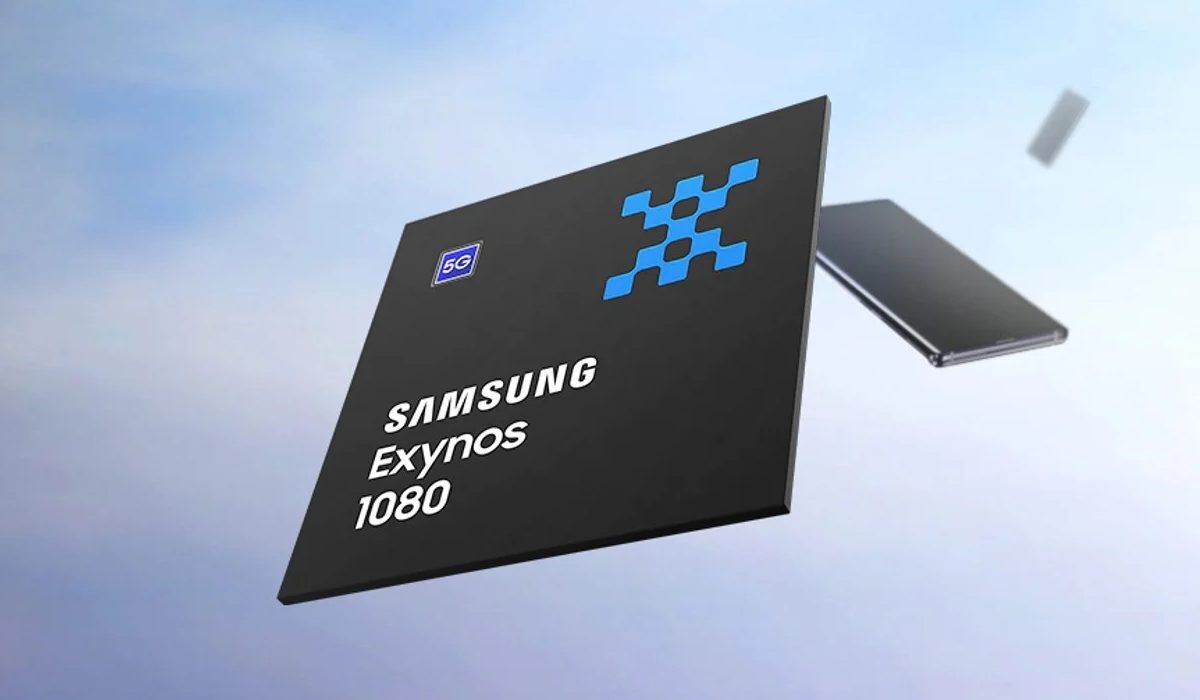
When it comes to mid-range mobile processors, there are several options available in the market. These processors offer a balance between performance and affordability, making them an ideal choice for budget-conscious smartphone users. In this section, we will delve into a detailed ranking list of mid-range mobile processors, including options from MediaTek (Dimensity series), Samsung (Exynos series), Apple (A13 Bionic), and Qualcomm (Snapdragon 870).
MediaTek Dimensity Chipsets: Powering Next-generation Connectivity
- MediaTek’s Dimensity series has gained significant traction in recent years, offering impressive performance and advanced 5G capabilities.
- The Dimensity chipsets feature powerful AI processing prowess, enabling enhanced camera capabilities, improved gaming experiences, and efficient power management.
- With multimedia enhancements like HDR10+ support and dedicated AI processing units, Dimensity chipsets deliver an exceptional multimedia experience.
Samsung Exynos Series: Striking a Balance Between Performance and Efficiency
- Samsung’s Exynos series is known for its efficient power management and solid overall performance.
- The Exynos chipsets incorporate advanced technologies like ARM Cortex cores and Mali GPUs, providing a smooth user experience and excellent graphics performance.
- With features like support for high-resolution displays and AI-based image processing algorithms, Exynos chipsets excel in delivering vibrant visuals and stunning camera capabilities.
Apple A13 Bionic: The Powerhouse for Mid-range iPhones
- Apple’s A13 Bionic chipset has been widely acclaimed for its exceptional performance and efficiency.
- Built on a 7nm process, the A13 Bionic offers industry-leading single-core and multi-core performance.
- With its powerful Neural Engine and advanced image signal processor (ISP), the A13 Bionic enhances photography and supports features like Smart HDR and Night Mode.
Qualcomm Snapdragon 870: Unleashing Power in Mid-range Devices
- The Snapdragon 870 is a powerhouse in the mid-range segment, offering flagship-level performance at a more affordable price point.
- With its Kryo 585 CPU and Adreno 650 GPU, the Snapdragon 870 delivers lightning-fast speeds and excellent gaming capabilities.
- The chipset also supports advanced camera features, including up to 200 MP photo capture, AI-based noise reduction, and 8K video recording.
Choosing the right mid-range mobile processor ultimately depends on your specific needs and preferences. Here’s a quick summary to help you decide:
- If you prioritize advanced connectivity and multimedia capabilities, MediaTek’s Dimensity series might be the ideal choice for you.
- On the other hand, if power efficiency and overall performance are your primary concerns, Samsung’s Exynos series or Apple’s A13 Bionic could be better options.
- And if you’re looking for flagship-level performance at a more affordable price point, Qualcomm’s Snapdragon 870 is worth considering.
In the next section, we will explore additional insights into smartphone processors across different brands, providing you with a comprehensive understanding of their respective strengths in terms of raw processing power, AI capabilities, and thermal management.
Exploring Decent Mid-range Mobile Processors for Budget-conscious Buyers: Our Top Picks
Snapdragon 778G Plus: Power-packed Performance on a Budget
The Snapdragon 778G Plus is an impressive mid-range mobile processor from Qualcomm that delivers excellent performance without breaking the bank. Here’s why it deserves a spot on our top picks list:
- Powerful CPU and GPU: The Snapdragon 778G Plus features an octa-core CPU based on Qualcomm’s Kryo 670 architecture, offering a significant boost in processing power compared to its predecessors. Coupled with the Adreno 642L GPU, this processor delivers smooth gaming experiences and efficient multitasking capabilities.
- AI Engine: Equipped with Qualcomm’s sixth-generation AI Engine, the Snapdragon 778G Plus provides enhanced AI processing capabilities. This enables advanced camera features, intelligent voice assistants, and improved app performance.
- 5G Connectivity: Keeping up with the latest trends in mobile technology, the Snapdragon 778G Plus supports 5G connectivity. This allows for faster download and upload speeds, seamless streaming, and improved online gaming experiences.
Kirin 990 5G: Huawei’s Mid-range Marvel
Another notable mid-range mobile processor is the Kirin 990 5G from Huawei. Despite being released a few years ago, it still holds its ground as a capable processor for budget-conscious buyers. Here’s what makes it stand out:
- Power Efficiency: The Kirin 990 5G is built using an advanced 7nm process, which ensures power efficiency without compromising performance. This translates to longer battery life and smoother overall usage.
- Integrated 5G Modem: With an integrated 5G modem, the Kirin 990 5G enables seamless connectivity to next-generation networks. Users can enjoy faster download and upload speeds, low latency, and improved network stability.
- AI Capabilities: Huawei’s Kirin processors are known for their impressive AI capabilities, and the Kirin 990 5G is no exception. Its powerful Neural Processing Unit (NPU) enhances AI performance in various applications, including photography, gaming, and system optimization.
Both the Snapdragon 778G Plus and the Kirin 990 5G offer excellent performance at a mid-range price point. Whether you’re a gamer, a multitasker, or a photography enthusiast, these processors have got you covered without breaking the bank.
Beyond Flagships: Other Noteworthy Processors Worth Considering
When it comes to smartphone processors, the market is not limited to just the latest flagship chipsets. There are older yet still capable processors that deserve recognition for their potential value, especially for mid-range or refurbished devices. Let’s take a brief overview of two such noteworthy processors: the Apple A11 Bionic and Exynos980.
1. Apple A11 Bionic
The Apple A11 Bionic was first introduced with the iPhone 8 series in 2017. Despite being a few generations old now, it still packs a punch in terms of performance.
- This hexa-core processor features two high-performance cores and four energy-efficient cores, delivering a balanced blend of power and efficiency.
- The A11 Bionic incorporates a dedicated Neural Engine for handling AI tasks, enhancing features like facial recognition and augmented reality experiences.
- With its powerful image signal processor (ISP), this chipset enables impressive camera capabilities, producing detailed photos and videos even in challenging lighting conditions.
2. Exynos980
Samsung’s Exynos980 is another processor worth considering, particularly for mid-range smartphones.
- Built on an 8nm process, this octa-core chipset offers a good balance of power efficiency and performance.
- It integrates a 5G modem, making it future-proof and suitable for users who prioritize next-generation connectivity.
- The Exynos980 also boasts an advanced AI engine that enhances various aspects of the user experience, from photography to voice assistants.
- With support for high-resolution cameras and multiple sensors, this chipset enables impressive imaging capabilities on devices equipped with it.
These older processors may not be as cutting-edge as the latest flagship offerings, but they still deliver reliable performance and can be found in more affordable devices. If you’re on a budget or looking for a refurbished smartphone that doesn’t compromise on essential features, devices powered by the Apple A11 Bionic or Exynos980 could be excellent options to consider.
Performance Comparison Within Processor Series: Unraveling the Hierarchy
When it comes to smartphone processors, it’s not just about comparing different series or brands. Within each processor series, there are often multiple models that cater to different performance levels and price points. In this section, we will delve into the performance comparison within specific processor series such as MediaTek Helio G series, Snapdragon 700 series, and Snapdragon 400 series.
MediaTek Helio G90 vs. Snapdragon 695: Power-Packed Performers
The MediaTek Helio G90 and the Snapdragon 695 are both mid-range processors that offer impressive performance for their respective price points. Let’s take a closer look at how they stack up against each other:
MediaTek Helio G90
This chipset is designed specifically for gaming enthusiasts. With its powerful CPU and GPU combination, it delivers smooth gameplay and excellent graphics rendering. The G90 also boasts HyperEngine Gaming Technology, which optimizes network connectivity and enhances overall gaming performance.
Snapdragon 695
As part of Qualcomm’s mid-range lineup, the Snapdragon 695 offers a balance between performance and power efficiency. It features an octa-core CPU with Kryo cores for enhanced processing power. The chipset also supports advanced AI capabilities, enabling improved camera performance and intelligent optimizations.
Snapdragon 480 Plus vs. MediaTek Dimensity 700: Affordable Powerhouses
Moving towards the more affordable segment, let’s compare the Snapdragon 480 Plus and the MediaTek Dimensity 700:
Snapdragon 480 Plus
Qualcomm’s Snapdragon 480 Plus is a budget-friendly processor that brings 5G connectivity to mid-range devices. It offers smooth multitasking and fast app loading speeds thanks to its octa-core CPU and Adreno GPU. The chipset also supports high-quality photography with its ISP (Image Signal Processor).
MediaTek Dimensity 700
The Dimensity 700 is another 5G-enabled chipset with a focus on affordability. It combines an octa-core CPU with powerful Mali-G57 GPU for smooth gaming and multimedia experiences. The Dimensity 700 also integrates MediaTek’s APU (AI Processing Unit) for enhanced AI capabilities and improved camera performance.
Within each processor series, there is a clear hierarchy based on factors such as CPU clock speed, GPU performance, AI capabilities, and power efficiency. It’s important to consider these factors when choosing a smartphone that matches your specific needs and budget.
The Marriage of Hardware and Software: How Smartphone Brands Optimize Processors for Enhanced User Experience
When it comes to smartphone processors, raw power alone is not enough to guarantee a seamless user experience. The marriage between hardware and software optimization plays a crucial role in maximizing the potential of these processors and delivering enhanced performance. In this section, we’ll delve into the importance of software optimization and explore how leading smartphone brands have leveraged this aspect to create exceptional user experiences.
Software Optimization: Unleashing the True Potential
Software optimization refers to the process of fine-tuning the operating system and applications to work in harmony with the underlying hardware, including the smartphone processor. By optimizing software, brands can unleash the true potential of their processors, resulting in:
- Smoother multitasking
- Faster app launches
- Improved gaming performance
- Overall enhanced user experience
Leading smartphone brands such as Samsung, Apple, and Google have invested significant resources in software optimization to ensure their devices perform at their best. Let’s take a closer look at how these brands have approached this aspect.
Samsung: A Symphony of Software and Hardware
Samsung is renowned for its flagship Galaxy smartphones that seamlessly blend powerful hardware with optimized software. The company’s One UI interface is designed to streamline user interactions, improve battery efficiency, and enhance overall performance. By carefully optimizing the software to work in tandem with their Exynos or Snapdragon processors (depending on the region), Samsung delivers a smooth and fluid user experience across its device lineup.
Apple: The Perfect Harmony of iOS and A-Series Chips
Apple takes a holistic approach to software optimization by tightly integrating its iOS operating system with its proprietary A-series chips. The seamless integration allows for efficient resource management, resulting in lightning-fast app launches, snappy animations, and exceptional overall performance. Additionally, Apple’s control over both the hardware and software ecosystem enables them to push regular updates tailored specifically for their devices, ensuring optimal performance throughout the lifespan of the device.
Case Study: Google’s Ongoing Struggles with Processor Optimization in Pixel Devices
While software optimization is crucial for a seamless user experience, even industry giants like Google have faced challenges in achieving optimal performance. One notable example is Google’s Pixel series, where processor optimization issues have been a recurring concern.
Despite equipping their devices with powerful Qualcomm Snapdragon processors, some Pixel owners have reported instances of subpar performance and occasional lags. These issues can be attributed to software-related problems, including inefficient resource management and occasional bugs. While Google has made efforts to address these concerns through software updates, the issue highlights the complexity of achieving seamless processor performance through optimization.
Looking Towards the Future: Emerging Trends in Smartphone Processor Technology
As technology rapidly advances, the future of smartphone processors holds exciting possibilities. Manufacturers are constantly pushing the boundaries to deliver enhanced performance, improved efficiency, and cutting-edge features. Here’s a glimpse into what lies ahead for smartphone processors:
Integration of AI Accelerators
Artificial Intelligence (AI) is becoming increasingly integral to smartphone functionality. In the future, we can expect processors to feature dedicated AI accelerators that enable faster and more efficient AI processing. This will not only enhance tasks like facial recognition and voice assistants but also enable new AI-driven capabilities like real-time language translation and advanced image processing.
Improved Thermal Management Solutions
Overheating has always been a concern for smartphones, especially during resource-intensive tasks like gaming or video recording. To address this, future processors are likely to incorporate advanced thermal management solutions. These could include innovative cooling technologies such as vapor chambers or graphene-based heat dissipation systems, ensuring optimal performance without compromising on device safety.
Enhanced Energy Efficiency Measures
Battery life is a crucial aspect of any smartphone user experience. To prolong battery longevity, upcoming processors will focus on further optimizing power efficiency. This could involve advancements in chip architectures, smarter power management algorithms, and better integration with operating systems to minimize power consumption during idle periods.
5G Integration
With the advent of 5G technology, smartphone processors will need to adapt to support the increased data speeds and lower latency offered by this next-generation network. Future processors are expected to integrate 5G modems directly onto the chipsets, providing seamless connectivity for users across various applications and services.
Advancements in Manufacturing Processes
As Moore’s Law gradually reaches its limits, semiconductor manufacturers are exploring alternative ways to continue enhancing processor performance. This includes innovations in manufacturing processes such as smaller transistor sizes (nanometer-scale) or even novel materials like gallium nitride (GaN) or silicon carbide (SiC), which offer improved electrical conductivity and energy efficiency.
The future of smartphone processors looks promising, with AI integration, improved thermal management, enhanced energy efficiency, 5G connectivity, and advancements in manufacturing processes. These developments will not only revolutionize the way we use smartphones but also pave the way for exciting new applications and experiences in the digital world. So hold on tight, because the smartphones of tomorrow are set to be even more powerful and transformative than ever before.
Final Thoughts
When it comes to smartphones, the processor and chipset are the unsung heroes that play a crucial role in determining device performance and user experience. As we’ve explored in this article, selecting the right processor is of utmost importance for optimal device performance and longevity.
Consider Your Needs and Budget
It’s essential for readers to consider their specific needs and budget constraints when referring to the provided ranking lists. By understanding the key factors to consider, such as benchmark scores, power efficiency, AI capabilities, and supported features like 5G connectivity, users can make an informed decision that aligns with their requirements.
The Future of Smartphone Processors
The smartphone industry is constantly evolving, and ongoing developments in processor technology will continue to shape the future landscape of smartphones. With each new generation of processors, we can expect advancements in performance, power efficiency, and AI processing prowess. These advancements will further enhance gaming experiences, multitasking capabilities, camera performance, and overall user satisfaction.
Exciting Possibilities Ahead
As we move forward into the future of smartphones, it’s exciting to think about the possibilities that lie ahead. From flagship devices to mid-range marvels, smartphone processors will continue to push boundaries and empower us with innovative features and seamless user experiences.
So remember, when you’re ready to upgrade your smartphone or explore new options, be sure to keep processor performance in mind. It’s the beating heart of your device and can make all the difference in unlocking its full potential. Choose wisely, consider your needs and budget, and get ready to experience the power of a top-notch smartphone processor.
Related Content
- Snapdragon Processor Ranking List By performance 2023
- MediaTek Processor List By Performance 2023
- Best Mobile Processor Ranking List 2023
Author:MobileChic
That motivated, gadget-loving geeky chic who tries to stay on top of things. Unapologetic iFan.
Add MobilityArena as a preferred source on Google
If you’ve come across this guide, you probably have a mobile phone ready to be sent to Nigeria from the US. Yes, shipping phones internationally can be a tricky and tedious process, especially with all the individual factors to consider. But you’ll be glad to know that it’s much less complicated once you’re equipped with all the information you need.
To say that mobile phones have become so interwoven with our daily lives is an understatement; in fact, many of us can’t get by in our day-to-day activities without them. Also, the need to ship a phone from any one location to another arises randomly, and it then becomes imperative to pay attention to the topic of efficient international shipping processes.
Now, this guide comes packed with all the details on what to expect, as well as factors to consider and plan for when sending a phone from the US to Nigeria. You can also expect to find generally helpful tips in this guide to make the process seamless and successful.

- Important Things To Do When Sending A Phone From The US To Nigeria What are the available sending options? What is the best shipping service to use? What customs regulations should I be aware of? Do I need shipping insurance? How do I prepare the phone for shipping? How do I label the package properly before sending it?
- How can I track the phone while in transit?
- How does customs clearance work when the phone gets to Nigeria?
- What do I do when picking up the phone in Nigeria?
- Quick Summary
Important Things To Do When Sending A Phone From The US To Nigeria
When you’re set to send a phone from the US to Nigeria, there are several things to consider — crucial aspects on which the success of the entire shipping process rests. You’ll need to decide on the best international shipping option, choose a shipping service provider, and prepare for customs regulations, among several other things.
It can be a lot to remember and effectively plan for, so here’s a quick checklist of some of the most important things to do when sending a phone from the US to Nigeria. Each item on this list will be further explained below:
- Assess the available sending options
- Choose the best shipping service
- Get familiar with custom regulations
- Insure your package
- Package the phone for shipping
- Label and document your package
Now, to the first question…
What are the available sending options?
When you first realize that you’ll need to send a phone from the US to Nigeria, it’s worth it to first assess all the options you have available and determine which one works best. Naturally, many people’s first choice is to send things through someone they know personally, perhaps because they trust them to get the package to the intended recipient. Unfortunately, this option is not always available, but it makes sense to first try to confirm.
Before seeking other alternatives, first check with everyone in your network of family and friends to see if there’s anyone you know traveling from the US to Nigeria, and willing to act in the capacity of a courier. Reach out to acquaintances and also take advantage of their networks. If you’re unable to find any such person, then it’s time to proceed to other available options such as a shipping service.
What is the best shipping service to use?
Once you’ve established that using a shipping service is inevitable, the next step is to decide on which one to use. You’ll want to make sure you’re choosing a reliable shipping service option that works for both your budget and timeline. It’s also important to consider options that allow you to track your package while it’s en route to Nigeria.
There are several shipping service options available and the usual choice is between air courier options since they’re the most suitable category to ship phones and other small packages. Let’s discuss some of the top ones, as well as what they typically offer for phone shipping needs:
- FedEx : FedEx offers shipping services from the US to Nigeria, providing various options to suit different needs. They offer a range of shipping options, including express and economy services, with varying delivery speeds and costs.
The cost of shipping a phone from the US to Nigeria with FedEx can vary based on factors like the state in the US where the package is being sent from and the chosen logistics company. Additionally, FedEx’s rates may differ depending on the selected shipping service, whether Express or Economy. To get accurate details and costs tailored to your situation, visit the official FedEx website or contact their customer support for precise information and guidance.
- ShiptoNaija : ShiptoNaija is another international shipping service you can take advantage of to send a phone from the US to Nigeria. They offer competitive shipping rates, with costs as low as $3.49 per pound for air shipping from the USA to Nigeria.
Their delivery service is also relatively quick, with shipping options that can get your package to Nigeria in as little as 3 days for air shipping. There are also options for online tracking and notifications for your shipment, so you can keep an eye on its progress.
- DHL : DHL is a global leader in the logistics industry and specializes in international shipping and courier services. Their shipping costs can range from $30 to $50 depending on the package and other factors. They offer a fast delivery option, DHL Express, which can deliver packages from the USA to Nigeria in as little as 2-4 business days. To know the exact cost of shipping a phone with DHL from the US to Nigeria, you can visit the DHL website and request a shipping quote online.
Other shipping service options you could try include ParcelMonkey, USPS Priority Mail International, USPS First Class International, and UPS, among others.
You would need to evaluate which shipping service offers the best value in terms of the shipping cost, reliability, and speed, as well as any extra perks such as tracking services to monitor the shipment’s progress and delivery status.
What customs regulations should I be aware of?
After you’ve decided on the shipping option and service to use, another crucial factor to be aware of when sending a phone from the US to Nigeria is relevant customs regulations and any applicable import duties and taxes. You’ll need to ensure that you comply with any such requirements to prevent hindrances to the successful delivery of the phone to its recipient in Nigeria.
Nigeria has a list of goods that are typically prohibited from being brought into the country or are otherwise restricted. It’s essential to check this list to ensure that the phone you’re sending or any extra package you’re adding is not on it, as sending prohibited goods can lead to legal issues and confiscation at customs checkpoints.
When shipping to Nigeria, it’s also important to declare all personal items and valuable belongings on a packing list and a separate customs form, including the phone’s value, to comply with customs regulations. You’ll also want to make sure you’re aware of the duty costs associated with sending the phone from the US to Nigeria, as calculated based on the FOB (Free On Board) value of the phone and the prevailing exchange rate.
Do I need shipping insurance?
During transit, packages and goods get lost sometimes; it’s one of those things you pray never happen to you, but the possibility does exist. It’s a no-brainer to want to avoid such a situation, and that’s why it’s smart to consider getting shipping insurance when you’re sending a phone from the US to Nigeria.
Shipping insurance works by providing financial protection against the loss or damage of items during transit. It essentially reimburses you with the value of a lost or damaged item, offering some sort of peace of mind when your package is in transit by covering unforeseen circumstances beyond the carrier’s control.
Shipping insurance costs typically depend on coverage levels, the value of the package, and the chosen carrier, and are usually calculated to match the level of protection needed. Some reliable shipping services such as DHL or FedEx, offer different insurance options, but it’s also possible to explore independent third-party insurers if needed.
To claim reimbursement if the need arises, you would simply have to report the missing or damaged package to the carrier or insurer. Carriers like USPS, FedEx, and UPS have specific procedures for filing claims, and it’s a good idea to contact their representatives to get all the information you need to make the process easy and successful.
How do I prepare the phone for shipping?
Let’s say at this point, you’ve figured out how you’ll send the phone from the US to Nigeria, as well as how to work around factors like insurance and customs regulations to guarantee its safety and delivery to the recipient. There’s still the concern of ensuring that the phone gets to its recipient in the best condition possible. It then becomes important to prepare the phone for the shipping process, packaging it well enough to minimize the chances of it getting damaged in transit. So how can you achieve this?
Pay close attention to these steps on how to package a phone in preparation for shipping:
- Before you start, ensure that you have all the required materials. Get a cardboard box, bubble wrap or newspaper, packing tape, and kraft paper if available.
- Also, ensure that the cell phone is turned off before the packaging process commences. Leaving the phone on might have an impact on its lithium-ion battery and even be a potential travel hazard.
- Now, the best way to ship a cellphone is by using its original packaging. If you have it, simply place the device in its box, close the lid tightly, and secure it with packing tape. For extra protection, wrap the box in bubble wrap or newspaper.
- If for some reason you don’t have the original packaging, no need to fret. Just start by wrapping the cell phone in at least two layers of bubble wrap, ensuring that it’s well-protected. Keep any accessories separate from the cell phone. Since you’re sending it internationally, consider placing the wrapped cell phone into a padded envelope for an additional layer of protection.
- When selecting a shipping box, make sure you pick one that is just a few inches larger than the cellphone you’re shipping. A properly sized box will prevent the phone from moving around during transit.
- To prevent any impact, cushion the bottom of the box with bubble wrap, kraft paper, or newspaper.
- Afterward, carefully place the wrapped cell phone into the box, making sure it’s snug within the box. To ensure minimal movement of the phone during shipping, fill the remaining space with padding materials like bubble wrap or more kraft paper or newspaper.
- Finally, close the box and seal it firmly with packing tape. Make sure it’s securely closed to protect the cellphone during its journey.
When you follow the above steps carefully, you’ll ensure that your cellphone is well-protected and ready for safe shipping.
How do I label the package properly before sending it?
A crucial part of shipping goods is proper labeling and documentation to prevent issues such as missing or damaged items, delayed deliveries, and customs complications. There are different labels for different specific purposes; for instance, you can use document-enclosed labels to keep address details and invoices safe during shipping; handling instruction labels such as ‘Fragile’, ‘Handle with care’, or ‘Do not crush’ are useful for packages that require special care and instructions for handling; hazard labels work well for dangerous goods; and specialist labels are useful for sensitive items like electronics.
If you’re not sure which packaging label is appropriate to use for the phone you want to send, it’s a good idea to contact your preferred shipping service for the best advice. Once you’ve confirmed which label works best, stick the label on the largest surface of the package to guarantee its visibility to the carriers. Consider adding a simple address label that states the address of the intended recipient and your return address, essentially anything that contributes to making the shipping process much easier and devoid of confusion.
Also ensure that the package displays required information like the name of the product, country of origin, and other details as per Nigeria’s labeling requirements. Furthermore, based on Nigeria’s updated policy of inspecting goods at their destination rather than before shipment, consider providing a bill of lading, commercial invoice, exit note, and other necessary documentation to receive clearance.
If you get confused, ask questions from your chosen shipping service and consult official web pages to get information on Nigeria’s import requirements and documentation , as well as necessary labeling and marking requirements .

How can I track the phone while in transit?
When you send packages through major shipping service providers, you typically receive a tracking number. This number allows you and the carrier to monitor the package’s status and location. Even if you can’t find the tracking number, it’s always possible to contact the shipping company with other information from the receipt that may help track the package.
Now, already mentioned earlier in this guide are some shipping service providers that offer tracking options when sending packages from the US to Nigeria, but how can you effectively take advantage of the tracking services they offer to get real-time updates about the progress of your package’s journey?
Below is a list of some of the top shipping service providers and how to track any package you’re sending through them:
- UPS : If you’re using UPS to send your package, simply visit UPS Tracking and enter your tracking number for real-time updates.
- USPS : For packages sent through USPS, go to Stamps.com for USPS international package tracking.
- FedEx : When tracking a package sent through FedEx, simply enter your tracking number on the FedEx website to get an update on the shipment status.
- DHL : You can also track your shipment on DHL by entering the tracking number.
Note that other tracking services such as Parcel Monitor and Track24 cover hundreds of carriers for package tracking. All you would need to do is input your tracking number in the required field to get real-time status updates.
How does customs clearance work when the phone gets to Nigeria?
If you’re already familiar with Nigeria’s customs clearance processes, you’ll know that it can take weeks to clear imported goods. As such, it becomes important to do everything possible to expedite the process and get the phone to its recipient without any avoidable delays.
When sending packages from the US to Nigeria, the customs clearance process typically involves presenting necessary documents such as a bill of lading, commercial invoice, packing list, exit document, single goods declaration, a properly completed Form ‘M’ entry declaration, and a product certificate. Besides these required documents, you’ll also need to pay customs duty based on the shipment’s value.
It’s a good idea to organize a documentation checklist to ensure you don’t miss anything that could result in a clearance delay. Since a failure to pay the customs duty is another potential source of delay, it makes sense to also plan for this. The rates typically differ based on the product, but you can expect to pay between 5-35% of the value of your shipment.
Understand that your package is very likely to undergo customs processing, which involves an examination of relevant paperwork by the customs officers. This is where accuracy becomes crucial, especially regarding shipping labels and commercial information, so don’t forget to take that step seriously when preparing the package for shipment.
The necessary documents will be processed at the Customs Processing Center (CPC) and dispatched to a customs-bonded warehouse. You can find extensive details on what to expect from the clearing process here . The entire customs clearance process may take a week or more, depending on the type of imported goods and whatever regulations are currently in place in Nigeria at the time of sending. So it makes sense to plan for the sending time with these factors if you’re working within a strict timeframe.
If you think you’ll need more general or very specific information about the customs clearance process or necessary documentation, consider reaching out to customs clearance authorities or agents to get clarity on any confusing parts.
What do I do when picking up the phone in Nigeria?
Yes, the importance of proper documentation has been highlighted at the customs clearance stage, but it’s also worth reiterating for the pickup stage. However, besides keeping the necessary documents handy, the next most important thing during pickup is to examine the package for any damages that occurred during transit and test that the phone works as it should.
The recipient needs to look for any obvious or subtle signs of mishandling or rough treatment during transit and note any visible damage or signs of tampering. Also, make sure to tilt the device under good lighting conditions and inspect it at multiple angles. If the phone was delivered to the recipient’s doorstep by the courier service, it’s a good idea to open the package in the driver’s presence if any damage is suspected. It’s also worth it to take clear pictures or videos from multiple angles if the phone is damaged. Such evidence will be useful when contacting the shipping service, especially if you’re sure the damage is not from the phone seller.
Each shipping service will have specific instructions on how to report damage, so be sure to check their website or reach out to their support team to get these specific instructions for the best possible outcome. Also inquire about options for returning the phone if it is damaged, or receiving reimbursements. Previously insuring your shipment is also useful in this situation as it helps you get necessary reimbursements for the value of the damaged phone. Remember to prioritize transparency and thoroughness at all times during the shipping process to get the best results.
Quick Summary
All in all, there are several things to consider and plan for from the moment a need arises to send a phone from the US to Nigeria. From choosing the best shipping service to finding out about existing customs regulations and proper packaging practices, there’s a lot to keep in mind.
For the best outcome, keep a to-do list handy to remember everything this guide has highlighted. This way, you can make sure you don’t forego any crucial step in the shipping process that could result in avoidable delays.
Also, make sure to ask questions whenever you’re unsure of instructions or requirements, and always take advantage of available knowledge resources provided by individual shipping services and relevant customs authorities in the sending and destination country.
