Add MobilityArena as a preferred source on Google
Standalone 5G (SA) and non-standalone 5G (NSA) are two different deployment models for 5G networks.
While looking through the specs of a 5G phone, you will see the terms, NSA 5G and SA 5G, somewhere along the line. In some cases, a phone is listed as supporting only NSA 5G, while in some other cases, it is SA 5G. There are also lots of phones listed as supporting both NSA 5G and SA 5G. These are called 5G dual mode devices.
What do the terms NSA 5G and SA 5G mean, and what are the practical implications on you, the mobile user? What should you look for when shopping for a 5G smartphone?
- Two types of 5G: NSA 5G and SA 5G
- Standalone 5G vs non-standalone 5G, in summary
- What to look for when buying a 5G smartphone
Two types of 5G: NSA 5G and SA 5G
NSA stands for non-standalone, while SA stands for standalone. These are the two types of 5G: Non-standalone 5G and standalone 5G. Let’s break these terms down, so you understand what they are about. If you are a technical person, remember that this article is meant to explain the two terms to non-technical people.
NSA 5G ( Non-standalone 5G ) is a basic version of 5G that is dependent on 4G LTE infrastructure. Think of it as adding a new SSD drive to your old PC or laptop. It gives it improved performance. NSA 5G uses 4G cell towers and base stations to deliver more bandwidth and faster speeds than 4G. But it does not deliver the maximum bandwidth and speeds that 5G is capable of. Smartphones listed as supporting 5G NSA work with this type of 5G network.
SA 5G ( Standalone 5G ), on the other hand, uses dedicated 5G towers and base stations. It is referred to as full/proper 5G, because it is this kind of 5G network that delivers the full capabilities of 5G. With Standalone 5G, you get to experience much better speeds, greater bandwidth, and low latency.
A good, layman’s summary of the difference between NSA 5G and SA 5G is that the former uses a mixture of wireless technologies (4G and 5G), while the latter uses only 5G technologies all through.
Since mobile carriers and networks already have 4G infrastructure on the ground, using NSA 5G is an easy way to roll out 5G quickly. So, many carriers and operators indeed roll out their 5G services first on NSA 5G, and later upgrade to SA 5G.
For example, in the United States, carriers like T-Mobile, Verizon, and AT&T all rolled out NSA 5G initially, and then began a migration to SA 5G. T-Mobile became the first carrier in the world to provide nationwide Standalone 5G service.
The American scenario is similar to what happened in Australia, where Telstra, Optus and Vodafone all rolled out with NSA 5G first, and then commenced migration to SA 5G. In emerging economies, like Nigeria, Kenya, and India, 5G deployment is likely to be done via Non-standalone for a number of years before an upgrade to standalone systems, for reasons of cost and ease of rollout.
To summarize the differences between NSA and SA 5G, you can get better performance by tweaking or replacing the engine of your old car, or you can buy a newer car model that is built from the ground up with a more powerful engine, better gear system, better suspension, etc. The former is what happens with non-standalone 5G, while the latter is what happens with standalone 5G.
Standalone 5G vs non-standalone 5G, in summary
The main difference is that SA uses a 5G core network and a 5G radio network, while NSA uses a 4G core network and a 5G radio network. Some of the practical differences are:
- SA offers more features and capabilities than NSA, such as ultra-low latency, network slicing, and edge computing.
- SA is more efficient and simplified than NSA, as it does not rely on 4G infrastructure and can optimize the use of 5G spectrum and resources.
- NSA is faster and easier to deploy than SA, as it leverages existing 4G infrastructure and can provide higher data speeds and reliability to users.
- NSA is more suitable for initial rollouts of 5G networks that focus on enhanced mobile broadband (eMBB) services, while SA is more suitable for advanced 5G use cases that require ultra-reliable low latency communications (URLLC) and massive machine type communications (mMTC) services.
What to look for when buying a 5G smartphone
There are 5G phones in the market that support both NSA and SA networks. These are called dual mode 5G phones. This has become the norm, and you should not be buying any phone that is not dual mode 5G, unless cost is a factor.
Having a dual mode 5G phone means you are covered, regardless of the kind of 5G network your carrier or mobile network deploys.
Lastly, from the explanations I have provided above, if you really want to enjoy the full benefits of 5G, get on a standalone 5G network and make sure your device supports it.
Author:Mister Mobility
Digital Skills and Communication Coach | Mobile Phone Connoisseur since 2001 | Tech Blogging since 2004
Add MobilityArena as a preferred source on Google
Which Nokia phones will get Android 12 update?
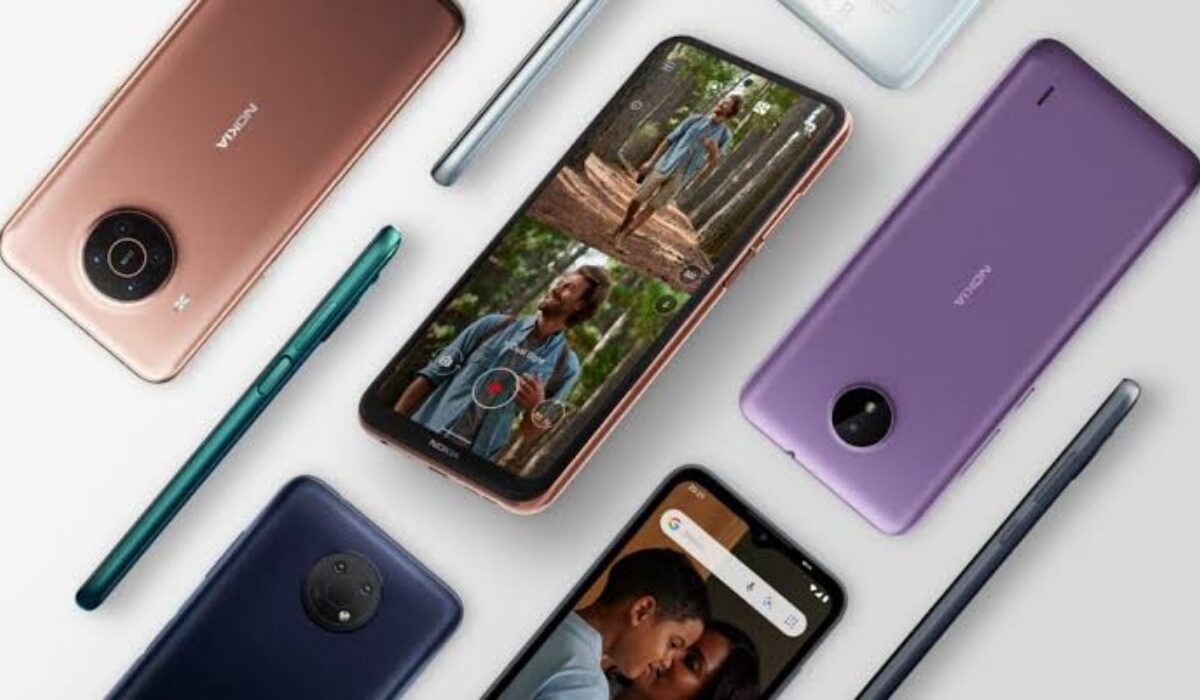
HMD Global, manufacturers of Nokia phones, promises 2 years of major Android updates and 3 years of security updates for all of its phones. This is a blanket cover from premium devices all the way down to entry-level models.
Till date, there is no other Android phone brand that offers this value offering. You won’t find any manufacturer that delivers major Android updates to entry-level models.
Android 12 has been available for a few months now, and naturally, you want to know if your precious Nokia phone is eligible to get it. We have compiled the list of which eligible Nokia phones will get Android 12.
These Nokia phones are eligible for Android 12 updates
All the Nokia phones listed below were released with Android 10 or 11, and so are eligible to be updated to Android 12.
- Nokia 5.3
- Nokia 8.3
- Nokia 1.3
- Nokia 2.4
- Nokia 3.4
- Nokia 8.3 5G
- Nokia C1 Plus
- Nokia 5.4
- Nokia 1.4
- Nokia C10
- Nokia C20
- Nokia G10
- Nokia G20
- Nokia G50
- Nokia X10
- Nokia X20
- Nokia C01 Plus
- Nokia C20 Plus
- Nokia C1 2nd Edition
- Nokia C30
- Nokia XR20
- Nokia T20
- Nokia G300
- Nokia X100
What of Nokia 9 PureView?
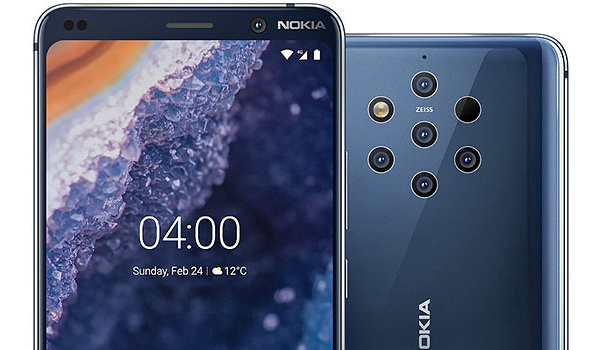
If you are wondering why Nokia 9 PureView is not on the above list, that is because it is not eligible for Android 13. It was released with Android 9 Pie, and so its update cycle ends at 11.
However, there is bad news about that too. Nokia has announced that this outstanding camera phone of theirs is not going to be updated to Android 11. Here is an excerpt from the official statement:
Nokia phones are about offering the best possible smartphone experience, day in and day out. It’s something we take pride in. That is why we had to make the tough choice not to offer the Android 11 software upgrade for Nokia 9 PureView. Incompatibilities between the camera and the software would have led to a compromised experience that does not meet our high standards.
Your current Nokia 9 PureView won’t change and you will continue to receive security updates. But, for those of you looking to make the jump to Android 11, we’re offering a 50% discount on Nokia XR20 , or another device depending on regional availability.
We just need your email address and the IMEI number of your Nokia 9 PureView device. You can enter these in the form below. If you need help finding your IMEI number, you can find step-by-step instructions in our FAQs page.
It is unpleasant news, to be honest. Everyone who purchased the 9 PureView, confident of updates, must be sorely disappointed. I didn’t buy it, and I am disappointed. Guaranteed software updates is Nokia’s key selling point, and this won’t be helping.
Also, HMD Global might need to forget about wild camera customisations, which is what the penta-camera of the Nokia 9 PureView is all about. These outside the box customisations are expensive, take too much time, and make updates difficult. And, as seen in the case of the 9 PureView, it didn’t swing sales in their favour.
The 50% discount on the XR20 is a good move. The problem is that the XR20 isn’t in the same league as the 9 PureView. Not by a long shot. No current Nokia phone is. HMD Global needs to make up their mind about whether they want to do away with premium flagship devices or not. Nokia fans waited for years for the Nokia 9 PureView, and since its arrival in 2019, it has been another long wait.
Perhaps the premium segment is not viable for Nokia now, which is okay. They can let it go and focus on the market segments that are making them money.
Back to updates, you now know which Nokia phones will get Android 12 update (barring any other announcements about incompatibility). If you purchased any Nokia phone released in the last one and half years or so, you are covered.
All you have to do now is sit back and wait. Nokia’s Android updates are guaranteed but do not come quite speedily.
- Don’t miss our reviews .
- Join our WhatsApp Group , to be notified of the most important articles and deals,
- Follow us on Instagram , Facebook , Twitter , and YouTube .
Author:Mister Mobility
Digital Skills and Communication Coach | Mobile Phone Connoisseur since 2001 | Tech Blogging since 2004
