Add MobilityArena as a preferred source on Google
This article leans more on the technical side than our usual articles here on MobilityArena, but in recent times, we have been asked questions about the dynamics of free VPNs for mobile phone users. There is no way to deal with this topic without leaning in on the technical, so bear with us. If you have further questions at the end of this article, use the comment form below it to submit them and we will provide answers to the best of our ability.
Data security and privacy have emerged as the top worries for both casual users and specialists in the rapidly evolving world of mobile technology. Free VPN is an important topic as we examine the intricate world of virtual private networks (VPNs). These seem simple technologies that can conceal a vast amount of intricacy and technical detail. In this article, we will dissect the multifaceted nature of free VPNs.
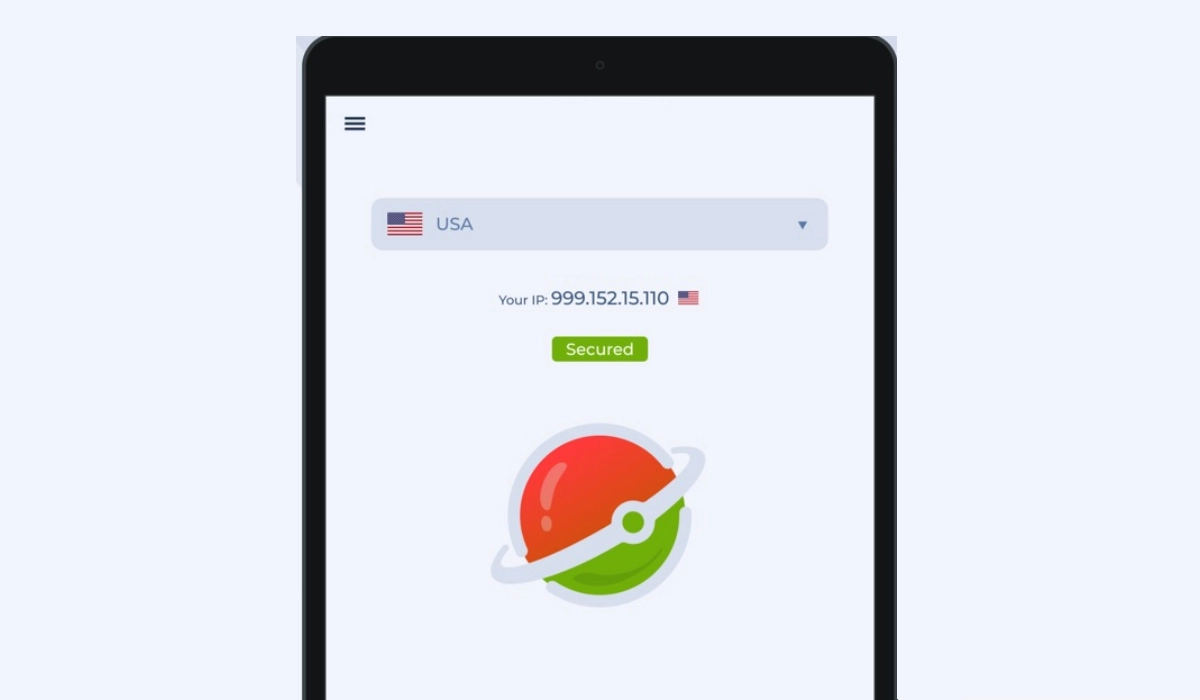
- The Complexity of Free VPNs
- Encryption Algorithms and Protocols
- Server Infrastructure
- The Intermittency Factor
- Bandwidth Limitations
- Data Logging Policies
- Wrapping It Up
The Complexity of Free VPNs
The concept of a virtual private network is inherently complex, magnified when considering free VPNs. These services aim to encrypt your internet connection, making your online activities virtually invisible to prying eyes.
Encryption Algorithms and Protocols
One of the critical technical aspects is the encryption algorithm and protocol used by a VPN service.While cheap VPNs could choose less secure encryption techniques, premium VPNs frequently use strong encryption techniques like AES-256. It is critical for mobile phone users to carefully review the technical specifications before selecting a free VPN since the complexity of encryption plays a significant role in defining the level of protection provided by the VPN..
Server Infrastructure
The complexity of a VPN’s server infrastructure can significantly affect its performance. Professional users with a penchant for more intermittent and high-performance connections may find that premium VPNs offer a superior solution with a more extensive server network.
The Intermittency Factor
The term “intermittency” assumes a unique significance regarding free VPNs. These services offer an accessible gateway to enhanced online privacy.
Bandwidth Limitations
VPN providers may impose bandwidth limitations, leading to unpredictable interruptions in your internet experience. When technical jargon like “bandwidth throttling” comes into play, mobile users might experience a significant reduction in connection speed, making the experience less than ideal.
Data Logging Policies
Understanding the data logging policies of a VPN service is paramount for mobile phone users who value their privacy. On the other hand, Premium VPNs often have strict no-logs policies, providing professional users with a more reliable and secure solution.
Wrapping It Up
In the world of mobile phone users seeking free VPNs, the duality of complexity and intermittency is a problem that must be navigated with caution. While free VPNs can be a helpful starting point for casual users, professionals often find that these services’ technical intricacies and intermittent performance fall short of their requirements.
Ultimately, deciding to opt for a free VPN depends on individual needs and preferences. It is advised to weigh the benefits and drawbacks and decide accordingly carefully. In this intricate realm, the quest for privacy and security is filled with surprises and interruptions, where knowledge and prudence are the keys to success.
Author:Anna Makama
Gadget lover making my way through life one day at a time.
Add MobilityArena as a preferred source on Google
Let me start out by saying that the new OnePlus Open and Samsung Galaxy Z Fold5 are the most compelling foldables in the US, UK, Europe, and even Australia right now. And it is good to finally have serious competition for Samsung’s Z Fold series. Year after year, Samsung produced the most compelling foldable devices without any serious challengers. Effectively, it was a monopoly of the foldables market. The Pixel Fold from Google was released months ago but it failed to measure up to Samsung’s pedigree in the market. With the arrival of the OnePlus Open, that has changed.
Beyond those core markets, the OnePlus Open is also the first global competitor to Samsung’s Fold series. The Pixel Fold has limited availability. So are foldables from Motorola, OPPO, Vivo, and TECNO. The OnePlus Open is changing that, thanks to a more widespread availability.
Let’s get things started by having a look at the specs of the OnePlus Open and Samsung Galaxy Z Fold5, for starters, and thereafter I shall draw the comparisons and close with a look at the prices.
- OnePlus Open specs
- Samsung Galaxy Z Fold5 specs
- OnePlus Open and Samsung Galaxy Z Fold5 Comparison
- OnePlus Open and Samsung Z Fold5: Prices
OnePlus Open specs
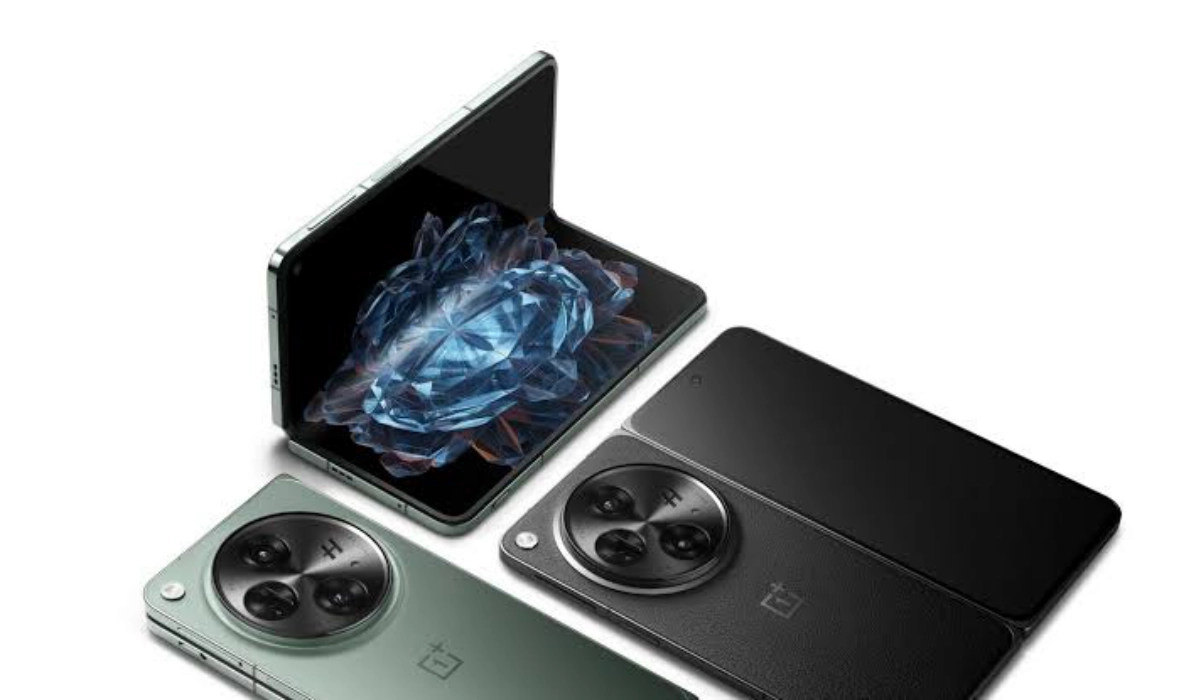
In regular phone (closed) mode, the OnePlus Open is a standard bar device with a 6.3-inch Super Fluid AMOLED display with 120Hz refresh rate. When you open it up, book-style, you get a 7.8-inch tablet-size display that is bright, sharp, crisp, and has no visible crease.
Powering all of this goodness is a Qualcomm Snapdragon 8 Gen 2 processor paired with Adreno 740 GPU and 16GB LPDDR5X RAM. This combination delivers exceptional performance, no surprise. For storage, there is 512GB UFS 4.0 ROM. The battery capacity is a 4,805 mAh Dual-cell battery coupled with 67W SUPERVOOC Charging for fast top-ups.
In terms of photography, the main camera in the OnePlus Open is a 48 MP main shooter, along with a 64MP telephoto lens, and a 48 MP Ultra-wide sensor. For selfies, there is a 32MP shooter on the outer display, and a 20MP on the inner display for use with the device opened up.
There is OnePlus’ trademark alert slider, a side fingerprint scanner, and an IR blaster which lets you use the phone as a remote controller for your TV, sound system, etc (whoop!). OnePlus Open comes with IPX4 rating for resistance to splashes of water. Do not submerge this phone in water.
As for software support, the Open will get four years of Android operating system updates and five years of security patches. Not bad.
Samsung Galaxy Z Fold5 specs
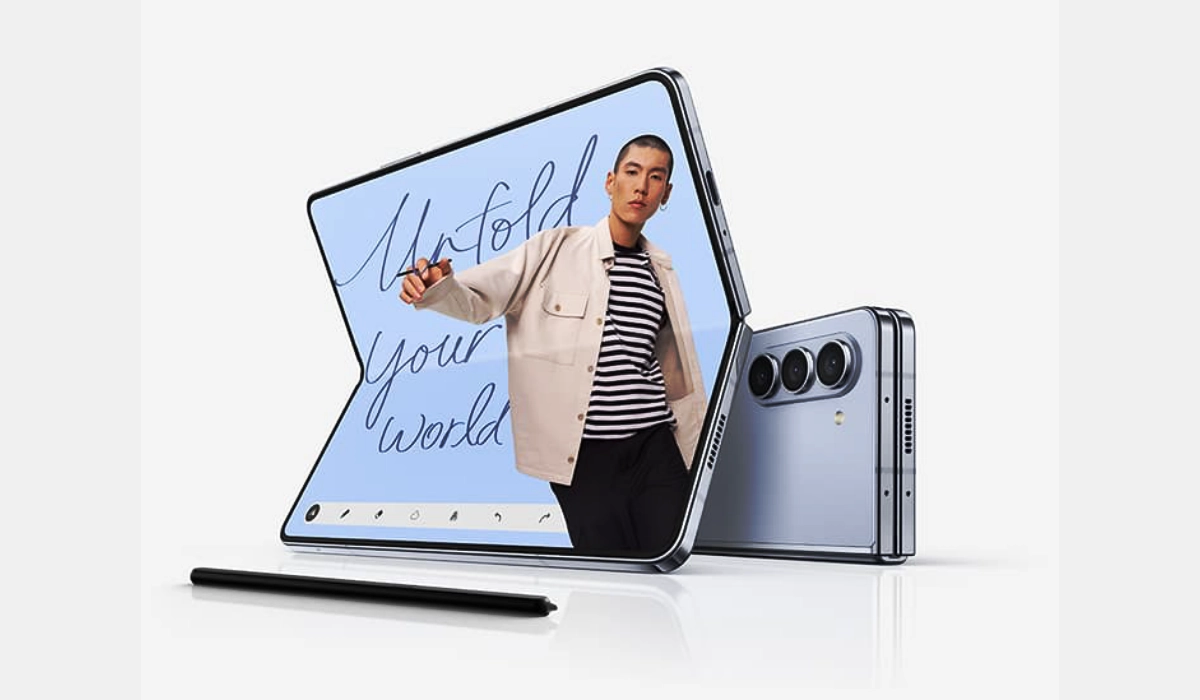
When closed, Samsung Galaxy Z Fold5 sports a 6.2-inch Dynamic AMOLED display with 130Hz refresh rate. Unfold it and you are faced with a 7.6-inch QXGA+ Dynamic AMOLED 2X Infinity Flex display with 120Hz adaptive refresh rate.
Behind the screens is a Qualcomm Snapdragon 8 Gen 2 processor paired with Adreno 840 GPU and 12GB RAM. There three storage options available – 256GB, 512GB, and 1TB. The battery is a 4,400mAh dual unit with 25W wired fast charging. There is support for 15W wireless charging and 4.5W reverse wireless as well.
The main camera on the Z Fold 5 is a 12MP ultra wide shooter, alongside a 50MP wide angle camera, and a 10MP telephoto camera. For selfies (though you can capture selfies with the main camera), there are two of them – a 10MP selfie camera in a punch hole in the outer screen and also 4MP camera embedded under the bigger display.
Samsung Galaxy Z Fold5 has an IPX8 rating offering water resistance in up to 1.5 meters of freshwater for up to 30 minutes.
OnePlus Open and Samsung Galaxy Z Fold5 Comparison
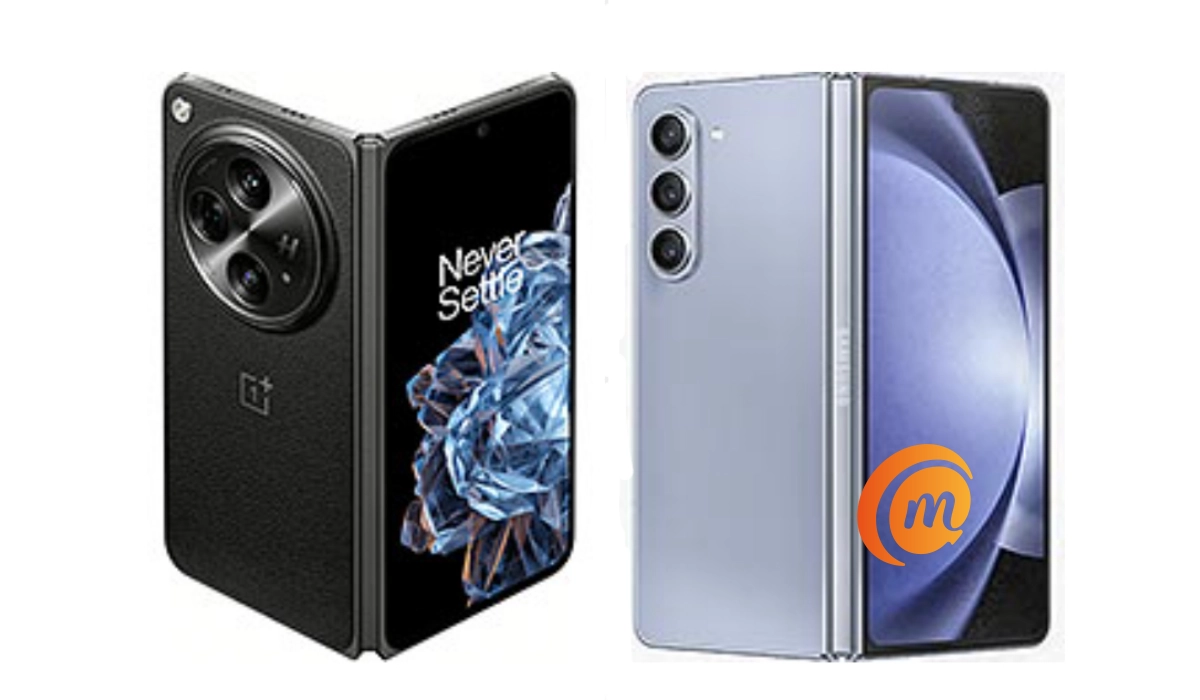
L-R: OnePlus Open and Samsung Galaxy Z Fold5
OnePlus Open has marginally bigger displays, outside and inside, compared to Samsung Galaxy Z Fold5. It also has a bigger battery and much faster wired charging. However, it lacks wireless charging, so you will have to forego that if you opt for the OnePlus.
Both have great build quality. However, while the OnePlus Open has IPX4 splash resistance, the Fold5 goes much further with an IPX8 rating which protects it when submerged. Do note that the Galaxy Z Fold5 is the thicker and heavier of the two devices. That’s an important factor for me: I am naturally biased towards lighter devices.
In addition, the OnePlus lacks support for a stylus like the S Pen on the Samsung. But do you really need a stylus? That’s up to you. I’d love to have the functionality available, though I do not think that I will need it much.
In terms of performance, they both use the same processor, but the OnePlus has more RAM, and that gives it an edge in this area. More RAM translates to faster and smoother app launching and switching.
OnePlus Open and Samsung Z Fold5: Prices
The OnePlus Open has only one model available with 512GB of storage, and it is priced at $1,699 in the USA (€1,799 in the EU, and £1,599 in the UK), while the Samsung Z Fold5 starts at $1,799 for the 256GB storage variant. The 512GB storage sells from $1,820, giving the OnePlus Open an edge in terms of pricing.
However, for those who want more storage, the Galaxy Z Fold5 has a 1TB storage variant that sells for $2,009. Samsung definitely provides more options to pick from, if money is not an objection.
Which is the best foldable in the market between OnePlus Open and Samsung Galaxy Z Fold5? Which is the better of the two? In terms of overall features, the Fold5 has an edge. But in terms of overall value-for-money, OnePlus Open appears to have that nailed down.
Author:Mister Mobility
Digital Skills and Communication Coach | Mobile Phone Connoisseur since 2001 | Tech Blogging since 2004
