Add MobilityArena as a preferred source on Google
A virtual SIM card is one that is built into the device and can be programmed over the network, so eliminating the need for a physical SIM card. Back in 2012, I wrote about how physical SIM cards would go away and give place to virtual SIM cards in the future.
In 2014, a UK-based company called MoVirtu implemented something that took us a step in that direction. MoVirtu’s virtual SIM card solution let users operate multiple lines and profiles on the same device without swapping physical SIM cards. The company has since been acquired by BlackBerry.
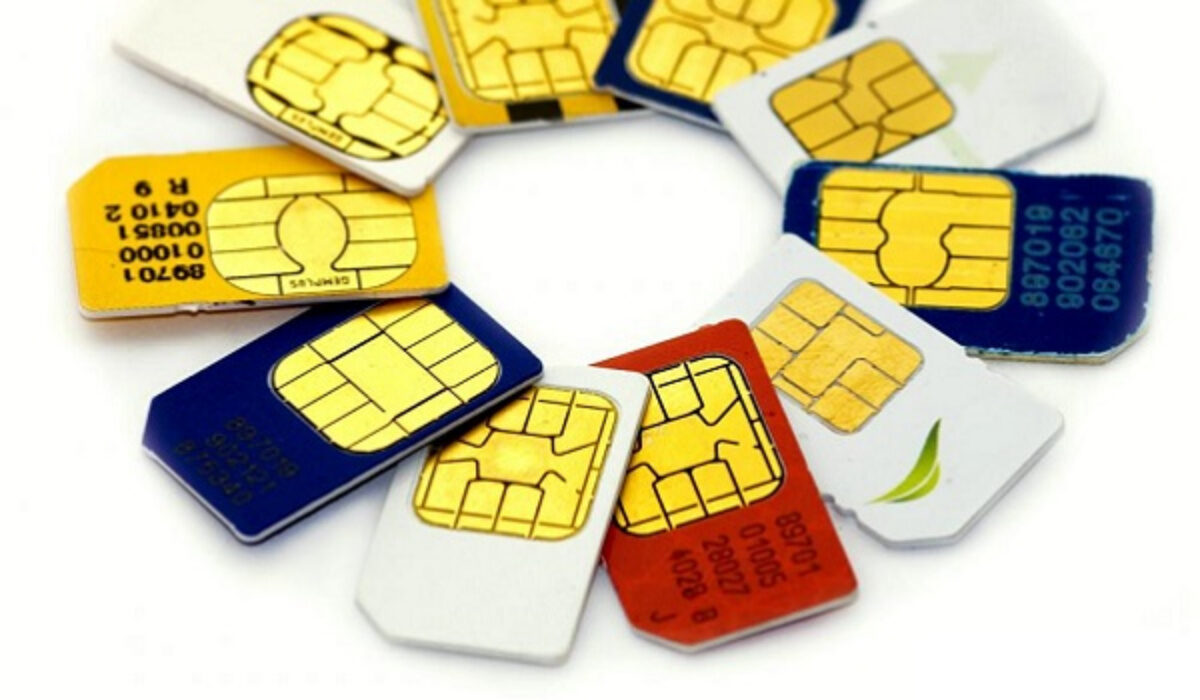
PS : Note that when we use the terms virtual SIM, eSIM, and digital SIM, we are referring to the same thing.
And now, Arm is pushing a virtual SIM card solution called the Integrated SIM (iSIM). Another digital SIM card technology company called Simless, also founded in 2014, believe that digitizing physical SIM cards is the way forward and are pushing Embedded SIM (eSIM) chips.
Do not let the lingo confuse you. Both iSIM and eSIM are different names that each vendor has chosen to call their implementation of the virtual SIM card. They are both not physical SIMs.
Benefits Of Virtual SIM Cards
The advantages of virtual SIMs are easy to see. Hardware makers can use the free-up space to put in bigger batteries or displays or anything else that needs to be put in their devices. Note that many new connected devices e.g. Internet of things (IoT) devices, are smaller in size, freeing up space is even more important.
Also, if you are travelling, you do not have to run around to find a store where you can purchase a physical SIM from on arrival.
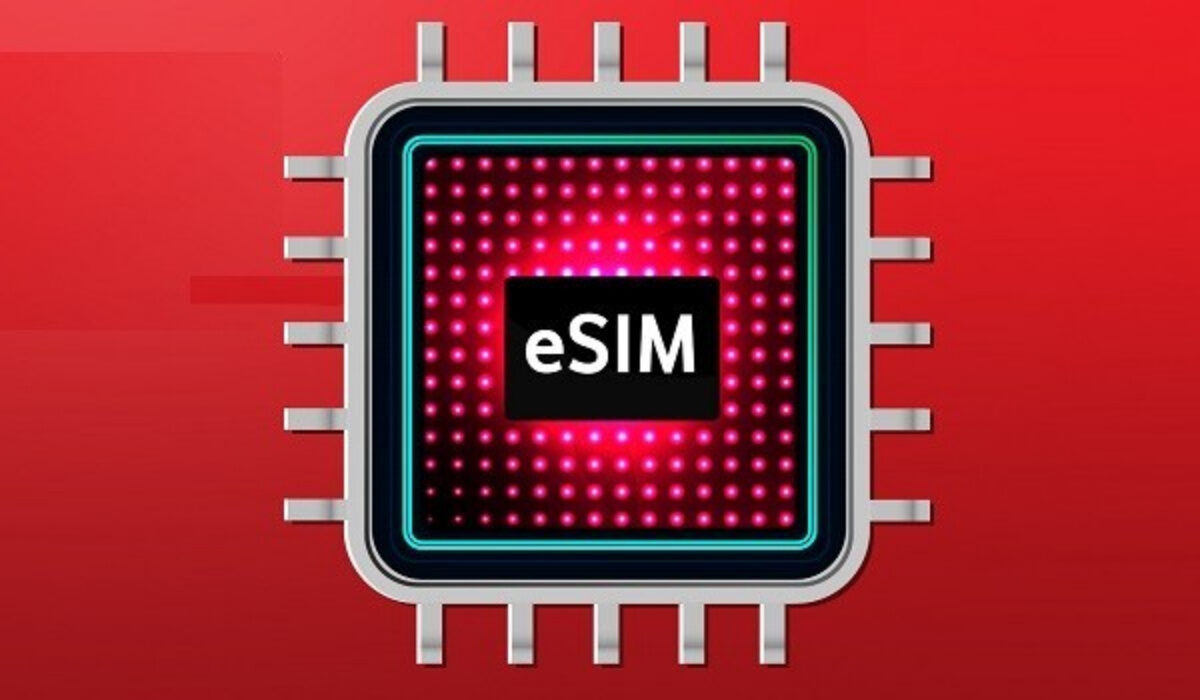
The Dark Past Of Virtual SIM Cards
A physical SIM card allows you to walk into a cell phone store, purchase a new prepaid cell phone or smartphone and start using it immediately without needing your carrier or network operator to make the switch. It is pure convenience and is a major attraction of GSM mobile technology.
Anyone who has used a CDMA network knows the pain that is often associated with switching to a new phone. Sometimes, you waited for days, and sometimes for weeks. If your mobile network operator was not quick on customer support, you were stuck. Sometimes you were stuck on the old phone, which is the better situation. Worse, you could get stuck in limbo – the old phone is already deactivated and the activation of your line on the new phone is pending, leaving you without a functional line for a while.
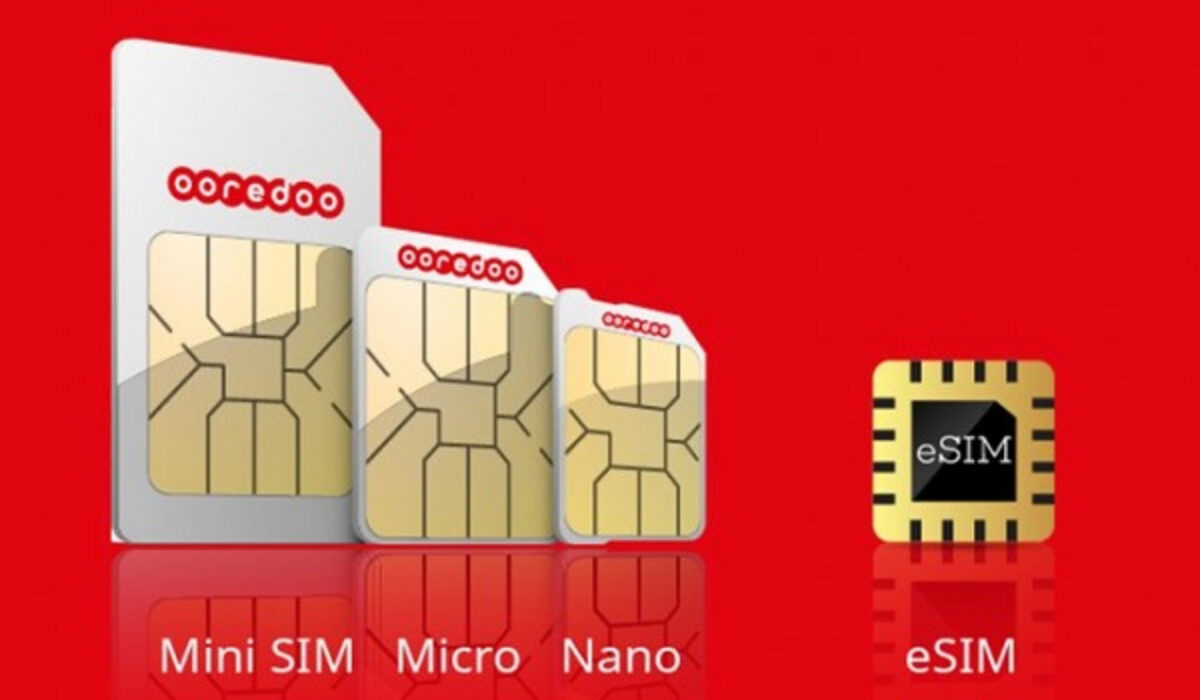
eSIM cards or Virtual SIM cards are here to stay
Going Forward With Digital SIMs
However it plays out, digital SIM cards are here and will not be going away again.
- Don’t miss our mobile phone reviews .
- Follow our news on Google News .
- Join our WhatsApp Group , to be notified of the most important articles and deals,
- Follow us on Instagram , Facebook , Twitter , and YouTube .
Author:Mister Mobility
Digital Skills and Communication Coach | Mobile Phone Connoisseur since 2001 | Tech Blogging since 2004
Add MobilityArena as a preferred source on Google
While the whole world was fixated on Android OS and iOS, a silent revolution was taking place right under everyone’s noses. In 2016, a team built KaiOS on the back of the now discontinued Firefox OS, and already had it on 30 million phones as at mid-2018 in North America and India. Sometimes, there is no hype around the revolution. It isn’t tweeted or televised.
This is the mobile platform behind the new generation of 4G-capable, smart feature phones that we have been talking about . Yes; those phones that will keep the other half of the world connected.
Let’s put this in perspective. While Windows Phone and Windows 10 Mobile and BlackBerry OS were dying off, Kai OS popped up and grew. And its growth has been noticed by big players like Google, Facebook, and Twitter, who have committed resources to developing for it.
Google apps support means that the platform can synchronise your email, calendar and contacts. Voice Assistant, Google Maps, and Google Search are in the mix too. Of course, Facebook and Twitter are two of the most popular social networks around. What would be great now is for WhatsApp support to be added, and KaiOS would be ready for prime time.
What Is KaiOS?
KaiOS is a mobile operating system based on Firefox OS, meaning it is web-based and built on HTML5, CSS and Javascript. These are basic technologies. The platform is so lightweight that it runs smoothly on phones with only 256MB of memory. Light as it may be, the beauty of KaiOS is how it also supports advanced features like 4G/LTE, VoLTE, Wi-Fi, NFC, apps and an app store, dual-SIM support, and QWERTY keyboards.
The whole idea behind Kai OS is that it puts the smart in light and affordable phones, hence the tag smart feature phone.

Photo source: Reuters
Who is behind KaiOS?
KaiOS is developed by KaiOS Technologies, a California-based tech company with offices in some other countries too. The operating system was developed from an open source successor of the now dead Firefox OS and made its first public appearance in 2017.
Which devices run KaiOS?
These were the first generation of smart feature phones to run KaiOS:
- Alcatel OneTouch Go Flip (known as Cingular Flip 2 on AT&T)
- Reliance Jio JioPhone
- Nokia 8110 4G (runs Smart Feature OS, a custom KaiOS version)
In early 2018, KaiOS Technologies announced that the platform was already on 30 million phones in the U.S., Canada, and India. I have been unable to find any independent verification of this claim though, but I shall keep my eyes open. But in essence, it means that between the Alcatel OneTouch Go Flip and the Reliance Jio JioPhone, 30 million units had been sold. It soon become the second most popular mobile OS in India after Android OS.

KaiOS-powered Energizer smart feature phones
The Rise of Smart Feature Phones
Feature phones used to be something that were spoken of in a condescending manner. It was for poor people only. While it is still predominantly a poor people affair, the feature phone is also seeing an uptake in advanced mobile markets. Smartphone owners are buying feature phones as backup phones, especially for their long battery lives.
Imagine having a small cell phone that has super fast 4G broadband internet, basic apps, and a week-long battery life in your pocket. Now you can eat your cake and have it. Perhaps the 3rd smartphone platform will be a smart feature phone OS, one that blurs the lines between smartphone and feature phone.
News and Updates
June 2018 : Google invests $22 million in KaiOS .
February 2019 : 8 KaiOS-powered Energizer feature phones announced .
May 2019 : The smart feature phone operating system now runs on over 100 million phones: KaiOS Technologies Secures $50 Million of Series B Funding to Connect the Next Billion People .
July 2019 : Kai Technologies announced that WhatsApp and Facebook apps are now available for all KaiOS phones. WhatsApp had been available to only the Reliance JioPhone and the Nokia 8110 4G .
Author:Mister Mobility
Digital Skills and Communication Coach | Mobile Phone Connoisseur since 2001 | Tech Blogging since 2004
