Add MobilityArena as a preferred source on Google
Vivo has unveiled its latest Y51 smartphone in Indonesia. The Vivo Y51 first launched in December of 2015, with a Qualcomm Snapdragon 410 SoC. Earlier this year, the company released another version of the Y51 with a Snapdragon 665 chipset, and now, the company has released one more device to join the Y51 family.
The Vivo Y51 (2020) expectedly shares a number of features with the Y51 released in September this year, as it features a 6.58-inch Full-HD+ LCD panel with a 16MP selfie cameras taking care of selfies and video calls.
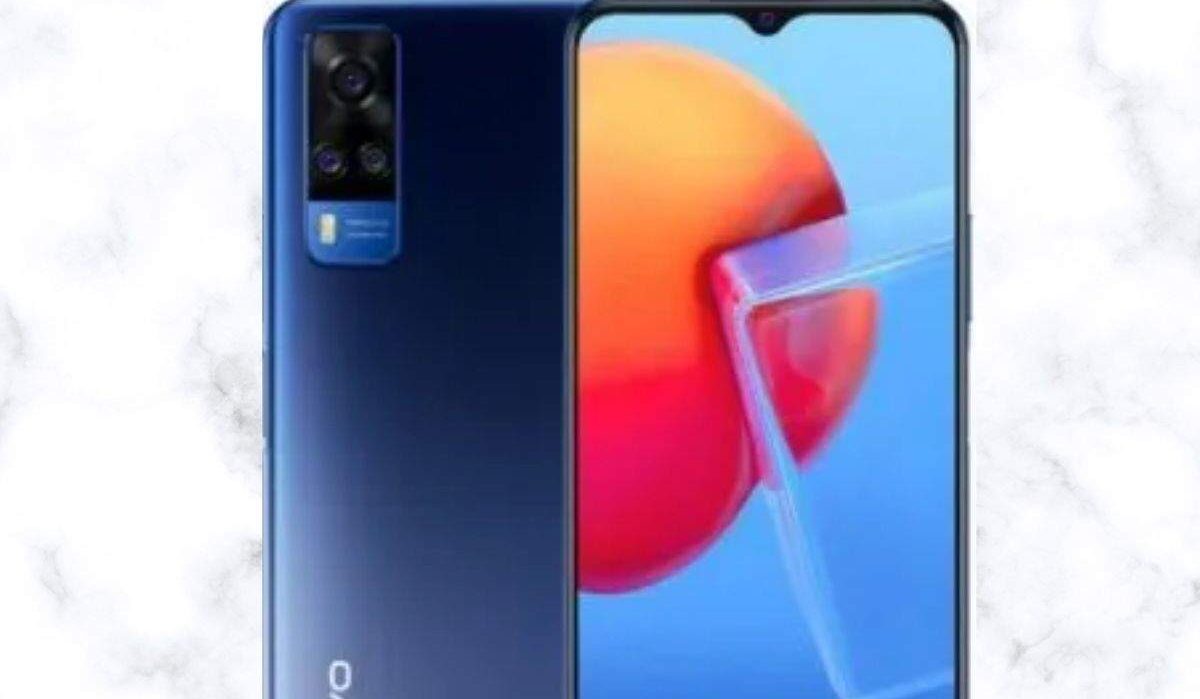
The Vivo Y51 (2020) launched with a quad rear camera setup, with a 48MP main camera headlining this setup. It is assisted by an 8MP ultra-wide shooter, a 2MP macro shooter and a 2MP depth sensor that take care of photography duty.
Under the hood, the Snapdragon 665 chipset keeps this smartphone ticking. It also has 8GB of RAM and 128GB of onboard storage. On the software front, the device runs the Funtouch OS 11 over the Android 11 (unlike its predecessor that had the Android 10 with Funtouch OS 10).
The Vivo Y51 (2020) launched with a bigger battery (5,000mAh) than its predecessor’s 4,500mAh power cell. The Vivo Y51 (2020) is currently available in Crystal Symphony and Titanium Sapphire colors and sells for $255 for the single variant (8GB+128GB).
Vivo Y51 (2020) Price and Specs
- OS: Funtouch OS 11 on Android 11
- Release Date: December 2020
- RAM: 8GB
- ROM: 128GB
- Network Type: 3G/4G/5G
- Selfie Camera: 16MP
- Rear camera: 48MP+8MP+2MP+2MP
- Display: 6.58-inch FHD+ LCD display with a 20:9 aspect ratio
- Battery: 5,000mAh
- Processor: Qualcomm Snapdragon 665
- Price: $255
.
References
- Source ;
- Source .
Author:Alfa Baye
Staff Writer
Add MobilityArena as a preferred source on Google
The Nokia 3.4 has arrived Mobility Arena ready for us to put it through our usual tests to see if it is worth your money.
Nokia 3.4 was announced 3 months ago (September 2020) and is sold in two variants – a 3/32 GB version and a 4/64 GB version. We have the latter here in our hands.
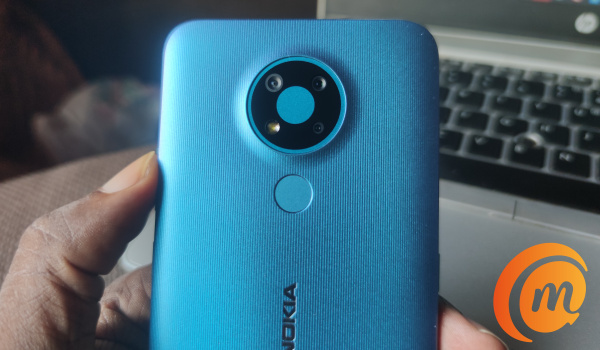
It has a 6.39″ display, 8MP front camera in a punch hole, a 13MP main camera along with a 5MP ultra wide and 2MP depth lenses at the back, a 4000mAh battery, and 10W charging via a micro USB-C port. The USB port also supports OTG (we tested it already).
The phone is available in 3 colours – Fjord (which is bluish), Dusk, and Charcoal. Our review unit is Fjord. We haven’t seen the other colours, but we are ready to stake a bet that this is the colour most people will like. It pops.
Powering it is a Snapdragon 460 chipset, and it runs Android 10 (upgradable to Android 11 and 12). It is a dual SIM, 4G LTE phone and has a dedicated memory card slot that supports microSD cards of up to 512 GB.
The Unboxing
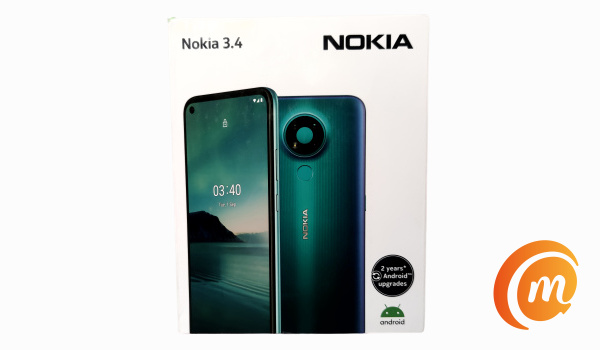
The Nokia 3.4 retail box includes the usual suspects – a transparent Silicon case, paperwork, SIM ejector tool, USB-C cable, and a 5W adapter. Note that the phone supports 10W charging; you just have to get a 10W or other compatible charger yourself.
Hands-on And First Impressions
In hand, the Nokia 3.4 is a lightweight phone. There is also no fear of dropping it, as there is no layer of glass on the body apart from the display. The frame feels metallic to the touch (we will confirm this), but the back cover is polycarbonate. And that back has a striped nano texture that looks and feels lovely.
There is a fingerprint scanner at the back, right below the camera island and some distance above the Nokia logo.
Below the SIM tray slot on the left edge of the Nokia 3.4 is a dedicated Google Assistant button. The volume and power buttons are on the right edge of the phone.
Hands-on Video
First 18 Hours Of Use
In use, our first impressions are good. We were a bit sceptical of the Snapdragon 460 and wondered if it would produce a snappy enough experience. In our first 18 hours of use, so far, it has been snappy. This was after we installed our standard 96 apps, setup and began to use email, Web browser, Twitter and Telegram.
We could have been fooled to believe that the Nokia 3.4 was powered by a Snapdragon 660 chipset. Still, it is early days, and we haven’t thrown anything heavy at it yet. Let’s see how it performs after a week or two of daily usage.
We have pleasant vibes from our early handling of this mid-range Android phone from HMD Global. Stick around for our full review for all the juicy details and our verdict.
