Add MobilityArena as a preferred source on Google
Voice recognition technology allows mobile users to interact with their smartphones. It can be very useful in situations where one is unable to use hands. However, it needs to catch up with iris and fingerprint recognition technologies.
Think of fingerprint and iris recognition technologies. They provide a means of unique identification. Only specified fingerprints or eyes will unlock your phone. Voice recognition needs to step up to that level of authentication. At the moment, almost anyone can control your smartphone with their voice.

One common complaint among users of voice recognition systems like Google Now, Siri, Cortana and the like is the inability to train those virtual assistants to recognize only their voice. In other words, voice recognition still has a weakness in the area of security.
Voice Recognition Exclusivity Is Security
I want my smartphone to respond to only my voice. Only mine . Not everyone who is able to speak the right pass phrase. When voice recognition is able to achieve that level of authentication, we will have taken smartphone usability to another level.
Of course, I can imagine that this is being worked on already. Till it is sorted out, we do not have a truly secure hands-free mobile experience yet. If you have your smartphone locked with a PIN, password, pattern, fingerprint or your iris, you will need to use your hands first to unlock it before you can engage it with your voice.
The next question is, Who will be the first to conquer this frontier? Who will make speech and voice recognition truly secure?
- Don’t miss our mobile phone reviews .
- Follow our news on Google News .
- Join our WhatsApp Group , to be notified of the most important articles and deals,
- Follow us on Instagram , Facebook , Twitter , and YouTube .
Author:Mister Mobility
Digital Skills and Communication Coach | Mobile Phone Connoisseur since 2001 | Tech Blogging since 2004
Add MobilityArena as a preferred source on Google
The world of smartphones can get very confusing for the non-technical person. Actually, I am aware that it is also complicated for quite a number of technically minded people too. As a layman, you probably do not care about the technical jargons. But you do want to understand what you’re buying better. Displays are a huge part of the smartphone experience. Right now, it is a battle between AMOLED and IPS LCD displays. Both of these technologies offer their own unique advantages and drawbacks, making it difficult to determine which one is truly better.
In this article, we’ll take an in-depth look at the differences between AMOLED and IPS LCD displays, discussing factors such as picture quality, color accuracy, power efficiency, and more. By the end of this article, you’ll have a better understanding of which type of display technology is right for your needs, and you’ll be able to make an informed decision when choosing your next smartphone. I break it down for you below in simple language.
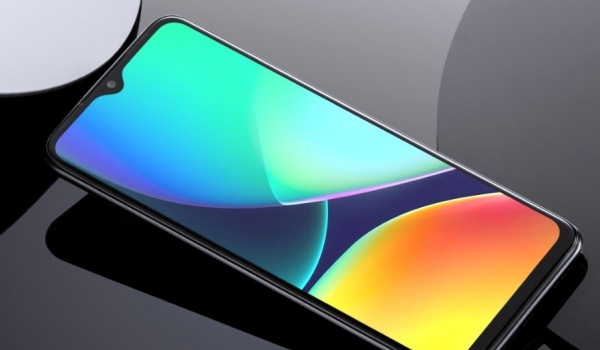
What is AMOLED and what are the characteristics of this type of display?
AMOLED stands for Active Matrix Organic Light Emitting Diode, and it is a type of display technology that is known for its deep blacks, high contrast ratio, and vibrant colors. AMOLED displays are often used in high-end smartphones and tablets because of their superior image quality. They are also known for their energy efficiency, as they only use power to light up the pixels that are needed.
In summary, here are the characteristics of AMOLED displays:
- Deep blacks
- Vibrant colors
- AMOLED displays conserve battery life
- Better viewing angles
- Thinner displays
- AMOLED displays degrade over time, resulting in reduced colour saturation
What is IPS LCD and what are the characteristics of this type of display?
IPS LCD stands for In-Plane Switching Liquid Crystal Display, and it is another type of display technology that is used in many smartphones and tablets. IPS LCD displays are known for their wide viewing angles, accurate color reproduction, and high resolution. They are also typically more affordable than AMOLED displays.
Here are the things to note about IPS LCD displays:
- Bright whites
- Better daylight readability
- Sharper text and images
- IPS LCD displays are more power hungry
- They also tend to be bulkier
AMOLED and IPS LCD Displays: Which type of display is right for you?
So which type of display is right for you? It really depends on your personal preferences and what you value most in a display. Here are a few things to consider:
- If you value image quality above all else, an AMOLED display is likely the best choice for you. The deep blacks and vibrant colors will make images and videos pop, and the high contrast ratio will make everything look more dynamic.
- If you plan to use your device outdoors frequently, an IPS LCD display might be a better choice. These displays are generally brighter than AMOLED displays, which can make them easier to see in direct sunlight.
- If you’re looking for an affordable option, an IPS LCD display is likely the way to go. While there are some affordable devices that use AMOLED displays, they are typically reserved for higher-end devices.
- If you’re concerned about battery life, an AMOLED display is generally more energy-efficient than an IPS LCD display. This is because AMOLED displays only use power to light up the pixels that are needed, while IPS LCD displays use a backlight that is always on.
Ultimately, the decision between an AMOLED and IPS LCD displays comes down to your personal preferences and how you plan to use your device. Both types of displays have their advantages and disadvantages, so it’s important to consider all the factors before making a decision.
Hopefully, you now have a better understanding of what each type of display delivers. Which is better? That is a very subjective matter. It is a question of what you prefer.
Author:Mister Mobility
Digital Skills and Communication Coach | Mobile Phone Connoisseur since 2001 | Tech Blogging since 2004
