Add MobilityArena as a preferred source on Google
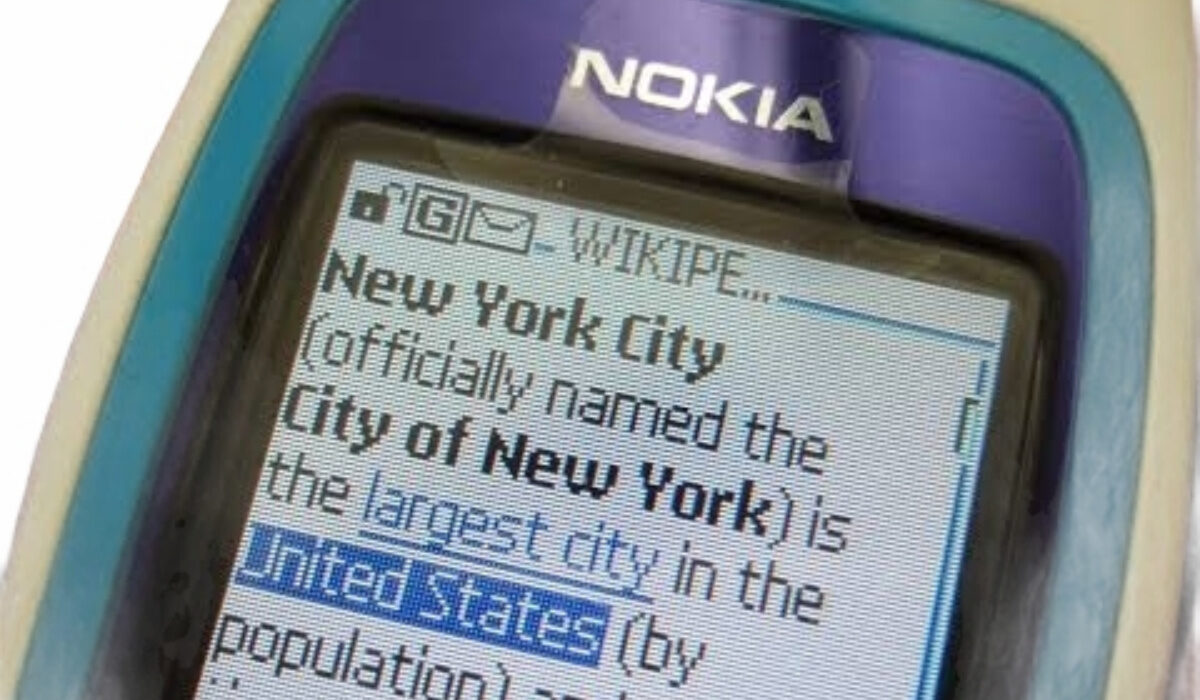
Back in 2001 when I began my journey in mobile phones, cellular phones and wireless networks were not powerful or capable enough to load full webpages. They could load basic, text-based web pages over what was called WAP (Wireless Application Protocol). The markup language for creating web pages for handheld devices was called WML, short for Wireless Markup Language.
As such, back then, mobile web pages where referred to as WAP pages and mobile web browsers called WAP browsers. It wasn’t until cellphones and smartphones became much more powerful that they could load and run standard web pages.
An XHTML webpage, a successor to WML or WAP pages
WML was formerly called HDML (Handheld Devices Markup Languages), and was based on XML. If you know XML and HTML, learning WML isn’t difficult. It allowed for text and basic images of Web pages to be presented on cellular telephones and personal digital assistants (PDAs).
WML was designed from the ground up to work efficiently on the small screens of handheld and mobile devices. It was the foundation on which the modern mobile web that everyone uses today was built.
Learning WML was quite easy for me, and in no time, I was creating WAP pages. I was obsessed with making sure that all my websites had WAP versions for mobile phones. I firmly believed that the future of the Web was mobile, and I have since been vindicated.
Most of today’s web traffic happens on mobile phones. Specifically, as at this year (2021), 55% of global website traffic is from cell phones (excluding tablets) [1]. To get a clearer picture, as at 2011, 6% of all web traffic were from mobile phones. In the early 2000s when I was building WAP sites, the figure was more like 0.9%.
WML is now dead; AMP carries on its legacy
Of course, now that mobile devices are capable of running standard HTML pages, WML has gone obsolete. But the principles behind it are still very alive till today. The core of those principles is ensure that pages load fast on mobile devices.
The next generation of mobile web browsers after WAP browsers were known as XHTML browsers. XHTML standard was quite common by 2010, and the first Android phone , HTC Dream, had an XHTML browser. As a markup language, XHTML was a bridge between HTML and XML (the family that WML belonged to). I had tons of fun with XHTML. I think it was my favourite wireless markup language. But we keep moving, and while XHTML is not dead, the world has largely moved away from it.
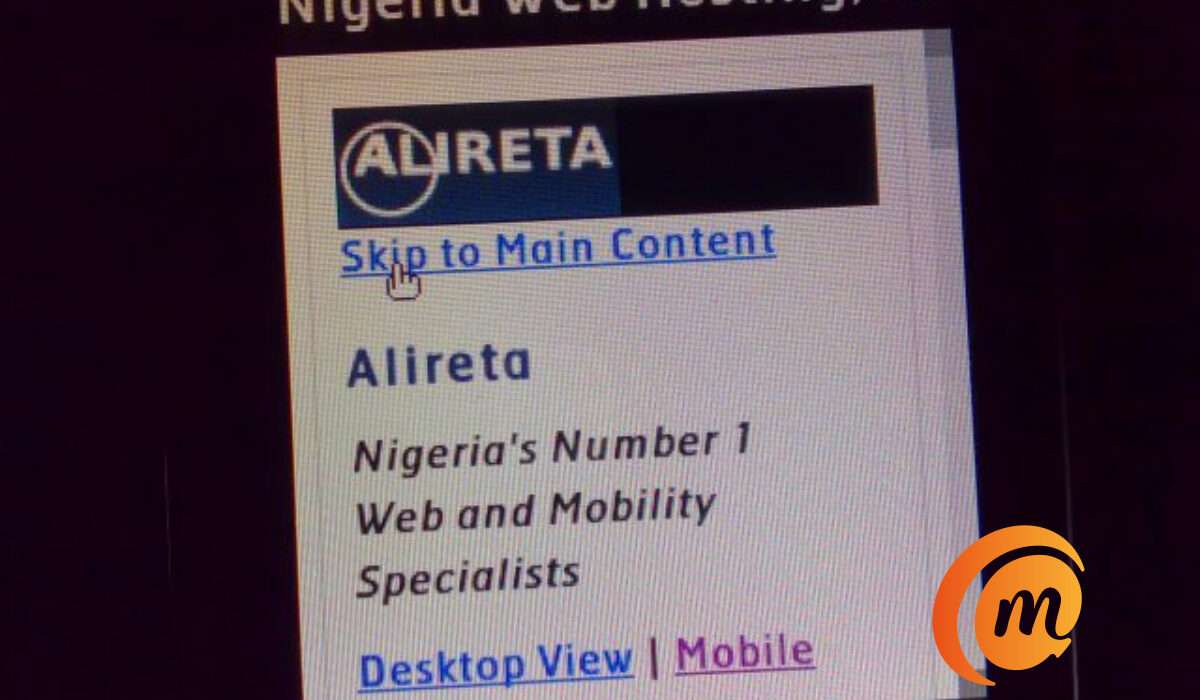
Even till today, thanks to slower networks in many parts of the world, standard web pages often struggle to load on time. Most webpages are horribly bloated and so are a pain to access for hundreds of millions of mobile users worldwide.
What is AMP?
This situation with bloated websites that load slowly is the core reason why we have Google’s AMP standard catching today. AMP is an abbreviation for Accelerated Mobile Pages. Like WML/WAP of old, AMP strips off as much bloat as possible from webpages, so that only the most essential parts load on smartphones and cell phones.
By definition, AMP is a project that Google implemented to speed up the delivery of Website content. Like WML, it uses a stripped down version of HTML, but this time, one known as AMP HTML. The results are the same: smaller-sized Webpages, and faster loading speeds on mobile phones and other gadgets. Implemented well, AMP makes your website zippier on the draw. And if there is anything that your readers want, it is fast page loading times.
You can imagine that I have become mildly obsessed with AMP as well. I love the Web, but my extreme love is for the mobile web. Unlike the now dead WML, AMP is fully HTML and works with regular web browsers. It just strips off the kludge, mostly JavaScript, so that web pages can load faster.
AMP is not suitable for all kinds of websites, though. It is great for informational websites, like blogs, news sites, wikis, and the like. But it isn’t for ecommerce sites and other websites that require advanced functionality that is heavily dependent on JavaScript. Using it on the latter will break some functions on those websites.
I remember WML and WAP with fondness; it is history now. Not every web developer is sold on AMP, but I will always be committed to whatever markup language makes it easier for users to access websites on their mobile devices. And today in 2022, AMP does that very well.
References
- Global website traffic from 2015-2021: source .
You are reading Mobility Arena .
- Don’t miss our reviews .
- Join our WhatsApp Group , to be notified of the most important articles and deals,
- Follow us on Instagram , Facebook , Twitter , and YouTube .
Author:Mister Mobility
Digital Skills and Communication Coach | Mobile Phone Connoisseur since 2001 | Tech Blogging since 2004
Add MobilityArena as a preferred source on Google
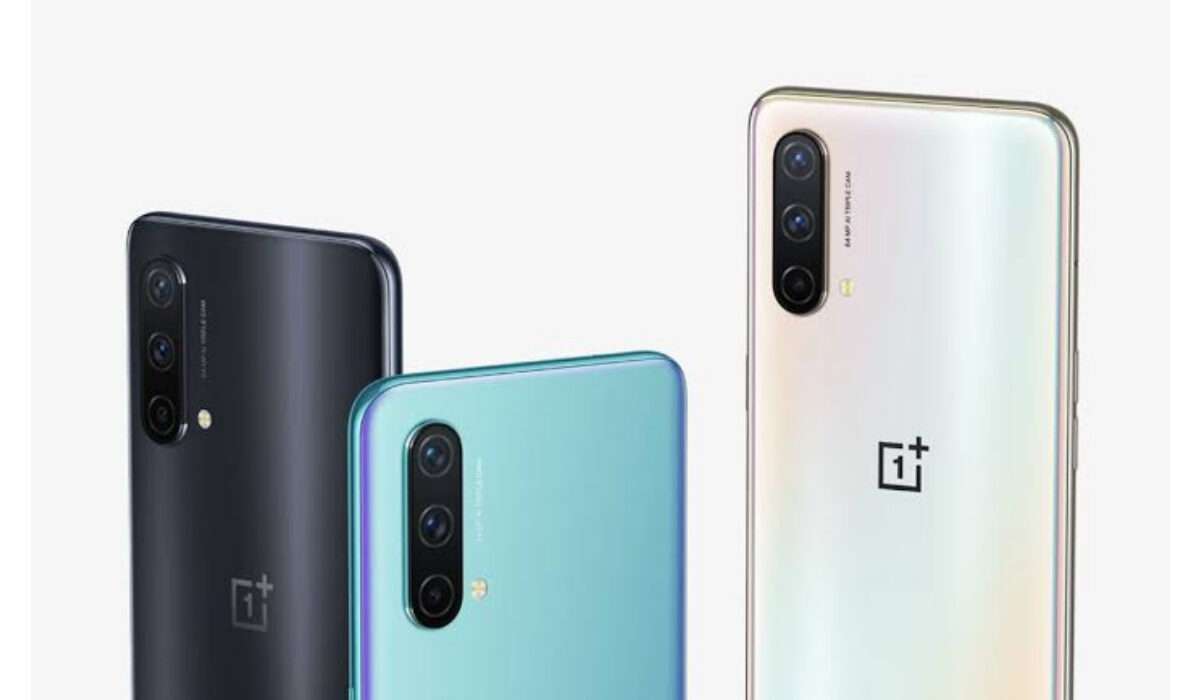
You might not have been aware of it, but OnePlus and OPPO have the same roots. Until today, they were siblings under a parent company called BBK Electronics . In the last one year, both companies have been working together, sharing resources, especially in research and development, as well as product strategy. Today, that partnership got a stronger seal as OnePlus has become an independent brand under OPPO.
Outside of China, OnePlus might appear to be the bigger brand because of its popularity online, but OPPO really is the bigger of the two. Much bigger, actually. Which is no surprise that OnePlus is the sub-brand in this partnership.
I reached out to OPPO Mobile on the development and I got this statement:
In order to further enhance synergy and better combine the strengths and resources, OPPO and OnePlus are taking further steps to complete their integration with one another, with OnePlus to become an independent brand within OPPO.
“Following the integration, OPPO and OnePlus will be better positioned to work together to bring more innovative and differentiated product to consumers, as well as delivering more convenient and improved services.
“The OnePlus brand is staying and will continue to run independently of OPPO, while collaborating behind the scenes.”

Will OnePlus drop OxygenOS for ColorOS?
The question on the lips of many OnePlus fans is that of whether this partnership will affect OxygenOS. Will OnePlus smartphones switch to using ColorOS (OPPO’s custom Android skin)? Some OnePlus phones use ColorOS in China. But OPPO says that OxygenOS is here to stay for use in OnePlus smartphones. That is excellent news for fans of the brand.
However, a leaked internal memo gives cause for raised eyebrows and suspicion about that. A key part of that leaked memo instructs staff not to respond to any OS or ColorOS questions that target the integration announcement. They were to only use a response that says, “We currently do not have any updates regarding the operating systems. Please stay tuned to our official channels”
This definitely raises questions about the future of OxygenOS. Time will reveal all things.
You are reading Mobility Arena .
- Don’t miss our reviews .
- Join our WhatsApp Group , to be notified of the most important articles and deals,
- Follow us on Instagram , Facebook , Twitter , and YouTube .
Author:Mister Mobility
Digital Skills and Communication Coach | Mobile Phone Connoisseur since 2001 | Tech Blogging since 2004
