Add MobilityArena as a preferred source on Google
If you are new to the world of hybrid vehicles (also referred to simply as “hybrids”), chances are that you have questions about how they work and what you stand to benefit from owning and using one. Which is good. Asking questions is how we learn. So, let’s get started with defining what a hybrid is.
- What does the word hybrid mean?
- What are the different types of Hybrid Vehicles?
- Advantages of Hybrid Vehicles
- Disadvantages of Hybrid Vehicles
What does the word hybrid mean?
The word “hybrid” refers to the presence of more than one component. In this case, a hybrid vehicle is one that uses two different types of engines for its operation. The most common combination that we see in hybrids is an Internal combustion engine using gasoline and an electric motor powered by a battery.
In the gasoline-electric hybrid configuration, the vehicle is powered by an internal combustion engine fueled by gasoline, as well as an electric motor powered by a battery pack. In all hybrid cars, the electric motor assists the engine during acceleration, deceleration, and low-speed driving, reducing the reliance on the gasoline engine and saving fuel. In a certain class of hybrid cars, the powertrain can switch the car completely from one power source to another.
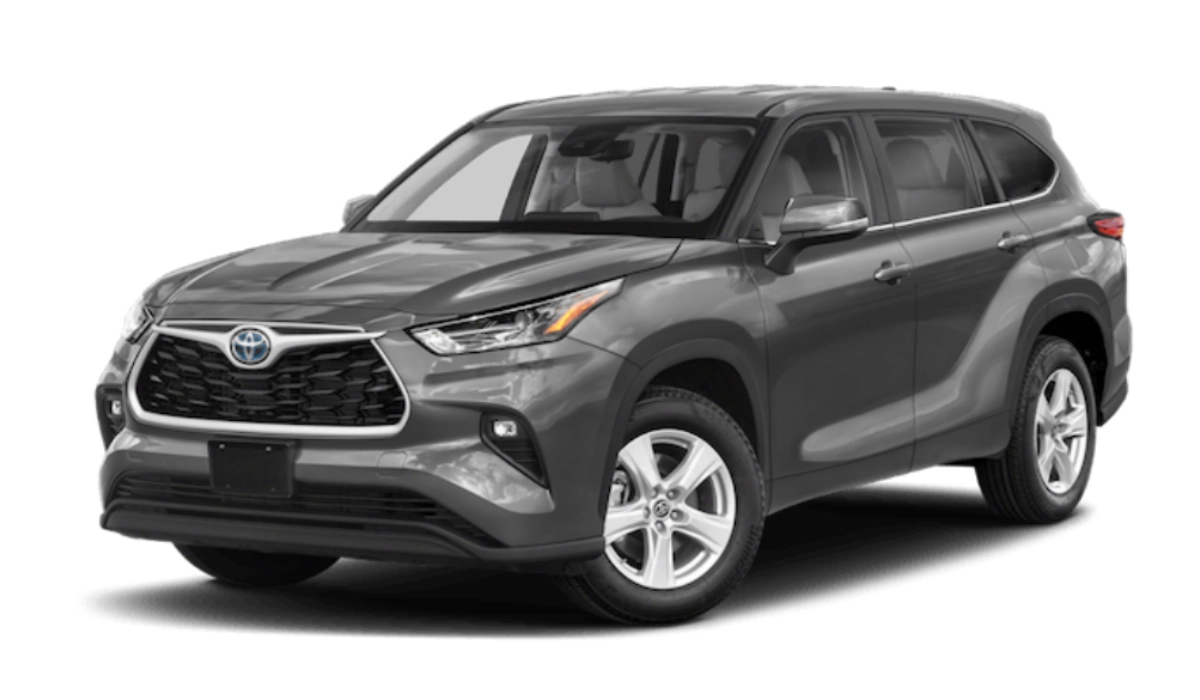
A hybrid vehicle is visually indistinguishable from normal vehicles
During certain conditions, such as low-speed city driving or coasting, a hybrid may operate solely on electric power, with the internal combustion engine temporarily shut off. This feature, known as “electric mode” or “electric drive,” helps to reduce emissions and improve fuel efficiency, particularly in stop-and-go traffic situations.
Hybrids also have a feature known as regenerative braking. Regenerative braking captures and stores energy generated during braking or deceleration. This energy is then used to recharge the battery pack, further improving the vehicle’s efficiency.
What are the different types of Hybrid Vehicles?
There are several different types of hybrid vehicles, including parallel hybrids, series hybrids, and plug-in hybrids.
Parallel hybrids use both the gasoline or diesel engine and the electric motor to power the vehicle. Note that the electric motor is usually powerful enough to assist the gasoline engine and for low-speed driving. The bulk of the work of moving the vehicle is done by the gasoline engine. The battery pack is charged through regenerative braking and coasting.
Series hybrids rely primarily on the electric motor and use the gasoline or diesel engine to recharge the battery pack. As such, they have a bigger battery pack and a more powerful electric motor than parallel hybrids do. Also, the battery pack of a series hybrid is not chargeable through an external power source.
Plug-in hybrids have larger battery packs and can be recharged by plugging them into an electrical outlet, allowing them to run on electric power for longer periods of time. Plug-in hybrids have the biggest battery packs and the most powerful electric motors.
Hybrid cars, and vehicles in general, have several advantages and disadvantages. I list some of the most notable ones in the sections below.
Advantages of Hybrid Vehicles
- Fuel Efficiency : Hybrids are designed to be more fuel-efficient than traditional vehicles. By combining an electric motor with a gasoline or diesel engine, hybrid vehicles can achieve better gas mileage and emit fewer pollutants.
- Environmental Friendliness : Hybrid vehicles emit fewer pollutants than traditional vehicles, making them more environmentally friendly. They also use regenerative braking systems, which capture energy that would otherwise be lost during braking and use it to recharge the battery pack.
- Tax Incentives : Many governments offer tax incentives for purchasing hybrid cars and vehicles, which can help offset the higher cost of these vehicles.
- Quiet and Smooth Ride : Hybrid vehicles are often quieter and smoother than traditional vehicles, thanks to the electric motor’s ability to provide instant torque.
Disadvantages of Hybrid Vehicles
- Higher Cost : Hybrid vehicles are often more expensive than traditional vehicles, due to the additional technology required to power the electric motor and battery pack.
- Limited Range : Hybrid vehicles often have a limited electric-only range, which means they may still need to rely on the gasoline or diesel engine for longer trips.
- Battery Pack Maintenance : The battery pack in a hybrid vehicle requires regular maintenance and eventual replacement, which can be expensive.
- Lack of Power : Some hybrid vehicles may have less power than traditional vehicles, due to the smaller size of the gasoline or diesel engine and the added weight of the electric motor and battery pack.
Author:Mister Mobility
Digital Skills and Communication Coach | Mobile Phone Connoisseur since 2001 | Tech Blogging since 2004
Add MobilityArena as a preferred source on Google
When it comes to the rubber meeting the road, one critical aspect to consider is the type of tire that powers your vehicle. While both tubed tires and tubeless tires serve the purpose of keeping your vehicle rolling, they possess distinct characteristics and benefits that you should be aware of. Whether you are driving a city car, a hybrid vehicle , a power bike, an electric bike , or a mountain bike, tires are a critical part of all road vehicles.
By understanding the intricacies of both tire types, you can make an informed decision about which option best suits your needs, preferences, and driving conditions.
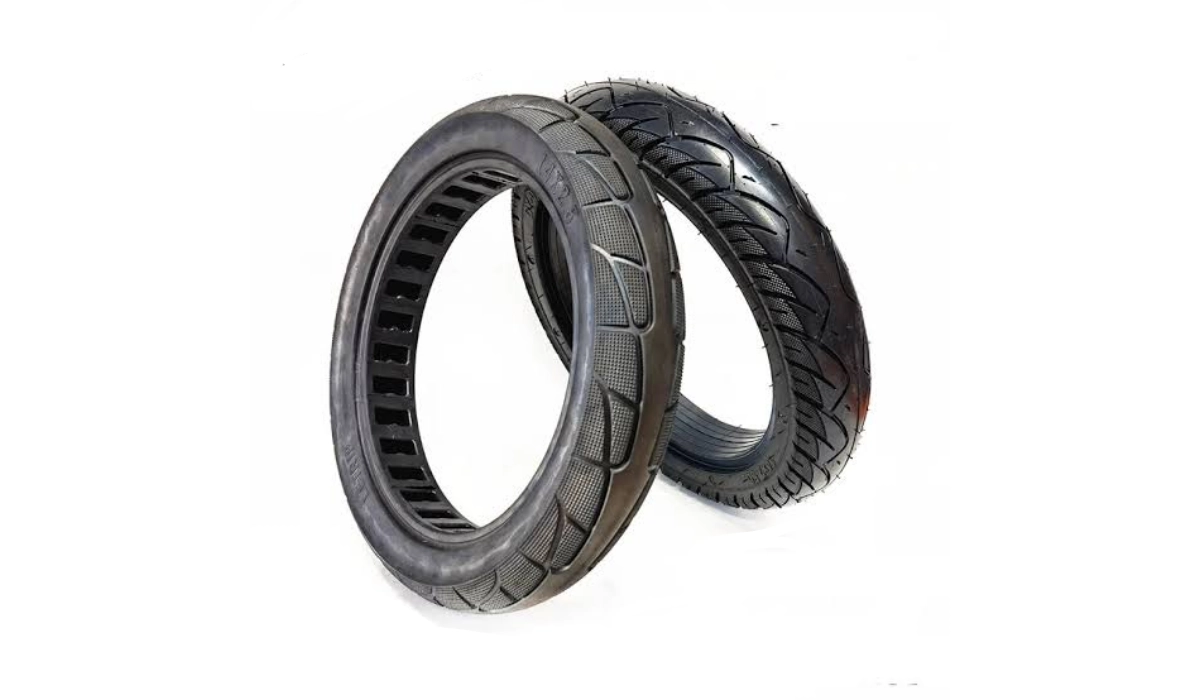
Tubed Tires and Tubeless Tires
- Differences between Tubed Tires and Tubeless Tires
- Advantages and disadvantages of Tubed Tires and Tubeless Tires Pros of Tubed Tires Cons of Tubed tires Pros of Tubeless Tires Cons of Tubeless tires
Differences between Tubed Tires and Tubeless Tires
The main difference between tubed tires and tubeless tires is the presence or absence of an inner tube. Tubed tires have an inner tube that is separate from the tire itself and is responsible for holding the air pressure. In contrast, tubeless tires do not have an inner tube and rely on the seal between the tire and the rim to hold the air pressure.
Another difference is the way they handle punctures. In a tubed tire, a puncture can cause the inner tube to deflate quickly, which can lead to a sudden loss of control. In contrast, a puncture in a tubeless tire is less likely to cause a sudden loss of control, as the air leaks out more slowly, and the sealant inside the tire can often seal the puncture.
Advantages and disadvantages of Tubed Tires and Tubeless Tires
Listed below are some pros and cons of tubed tires and tubeless tires:
Pros of Tubed Tires
- Cost-effective : Tubed tires are generally less expensive than tubeless tires, making them a more affordable option.
- Simplicity : They have a straightforward construction with an inner tube that holds the air, making them easier to repair in case of a puncture.
- Availability : Tubed tires are widely available and can be found in various sizes and types for different vehicles.
Cons of Tubed tires
- Puncture risk : Tubed tires are more prone to punctures since the inner tube is vulnerable to damage from sharp objects. A puncture can cause a sudden loss of air pressure and potentially lead to a flat tire.
- Increased maintenance : The presence of an inner tube requires regular inspection, maintenance, and occasional replacement. This adds to the overall maintenance efforts of the tire.
Pros of Tubeless Tires
- Puncture resistance : Tubeless tires have a lower risk of punctures compared to tubed tires. The absence of an inner tube reduces the chances of air leakage in case of minor punctures.
- Safety : In case of a puncture, tubeless tires tend to lose air gradually, providing more time for the driver to react and find a safe place to stop.
- Better fuel efficiency : Tubeless tires are lighter due to the absence of an inner tube, which can contribute to improved fuel efficiency.
Cons of Tubeless tires
- Higher initial cost : Tubeless tires typically have a higher upfront cost compared to tubed tires due to their advanced design and construction.
- More challenging repairs : Repairing a tubeless tire can be more complex and often requires professional assistance. DIY repairs may not always be feasible or effective.
- Limited availability : While tubeless tires have become more prevalent, they may not be as widely available as tubed tires, especially in remote areas with limited tire service options.
Both tubed and tubeless tires have their advantages and disadvantages, and the choice depends on factors such as budget, usage, and availability. It is essential to consider these factors and consult with a tire professional to determine the best option for your specific needs.
Author:MobileChic
That motivated, gadget-loving geeky chic who tries to stay on top of things. Unapologetic iFan.
