Add MobilityArena as a preferred source on Google
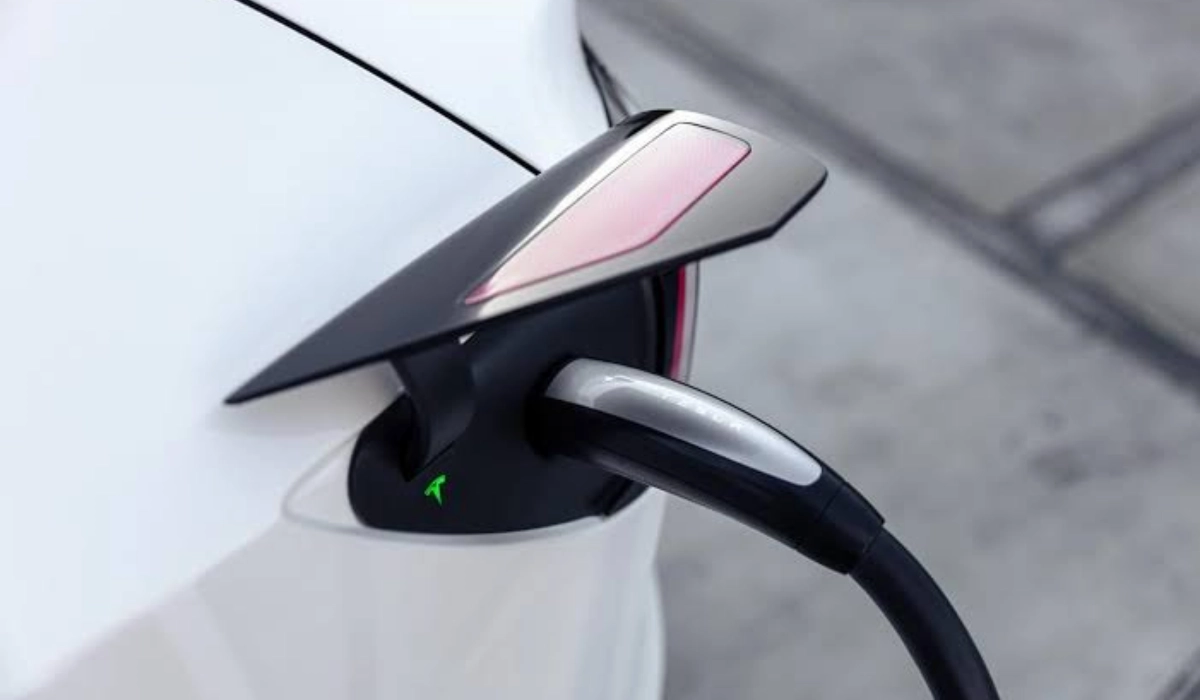
NACS is an acronym for North America Charging Standard. The NACS Charger or connector is a fast-charging system for battery electric vehicles originally developed for Tesla vehicles. And for 11 years, it remained a Tesla exclusive.
However, it has been adopted by some major automobile brands in 2023, and the Society of Automotive Engineers has announced that it will be standardized for North America, meaning that many more EV makers and charging station manufacturers will likely follow in switching to NACS.
- Types of charging connectors for fast-charging electric vehicles
- Differences between a CCS connector and a NACS connector
- Which carmakers have adopted the NACS connector?
- Which charging station makers have adopted the NACS charging system?
- History of NACS connector
Types of charging connectors for fast-charging electric vehicles
There are four major connector types for charging electric vehicles. They are:
- NACS Charger : Used by Tesla and an increasing number of others that include: Ford, GM, and Volvo.
- SAE Combined Charging System (CCS) : Popular in North America and Europe, automobile brands that use the CCS connector include BMW, Daimler, FCA, Jaguar, Groupe PSA, Honda, Hyundai, Kia, Ford, GM, Mazda, MG, Nissan, Polestar, Renault, Rivian, Tesla, Mahindra, Tata Motors, Volvo , and Volkswagen Group.
- CHArge de MOve (CHAdeMO) : Popular in Japan, and used by Honda, Mitsubishi, Hyundai, Nissan, Peugeot, Subaru, Tesla, Toyota, Mazda, Jaguar for their electric vehicles sold in that country.
- GB/T Charging System : This charging connector/standard is specific to China.
Differences between a CCS connector and a NACS connector
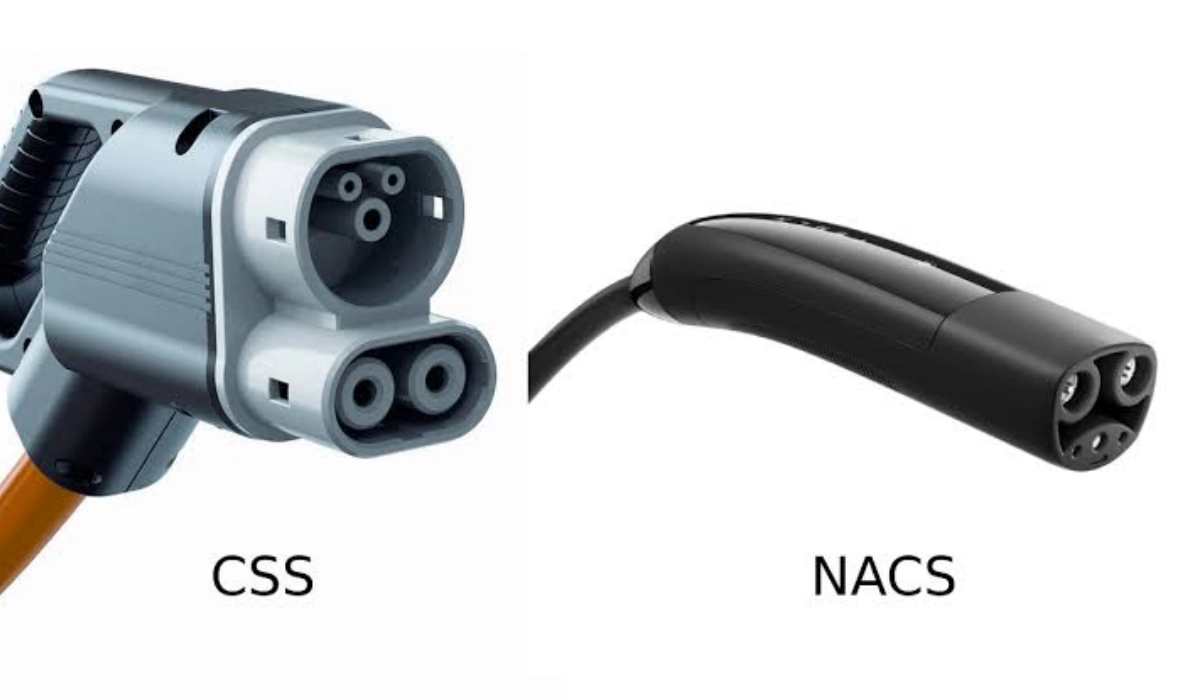
NACS charger vs CCS: CCS connector (left) and NACS connector (right)
The major difference between a NACS connector and a CCS connector is the number of pins they have. NACS charging connectors have two pins, while CCS charging connectors have seven pins. The additional pins on CCS connectors allow for faster charging, as they enable both AC and DC charging. NACS connectors, on the other hand, are limited to DC charging only.
The NACS charger is half the size of the CCS connectors. It also has no moving parts, and Telsa claims that it is twice as powerful as CCS [1]. NACS to CCS adapters (and vice versa) are available in the market for car owners who want to be able to take advantage of both systems.
Which carmakers have adopted the NACS connector?
The number of automobile makers that have thrown in their lot with the NACS charging connector keeps growing. As at press time, it includes the following:
- Tesla
- Ford
- GM (General Motors)
- Aptera
- Rivian
- Volvo
Which charging station makers have adopted the NACS charging system?
- ChargePoint,
- ABB,
- Blink Charging,
- EVgo,
- FLO,
- Tritium
- Wallbox
History of NACS connector
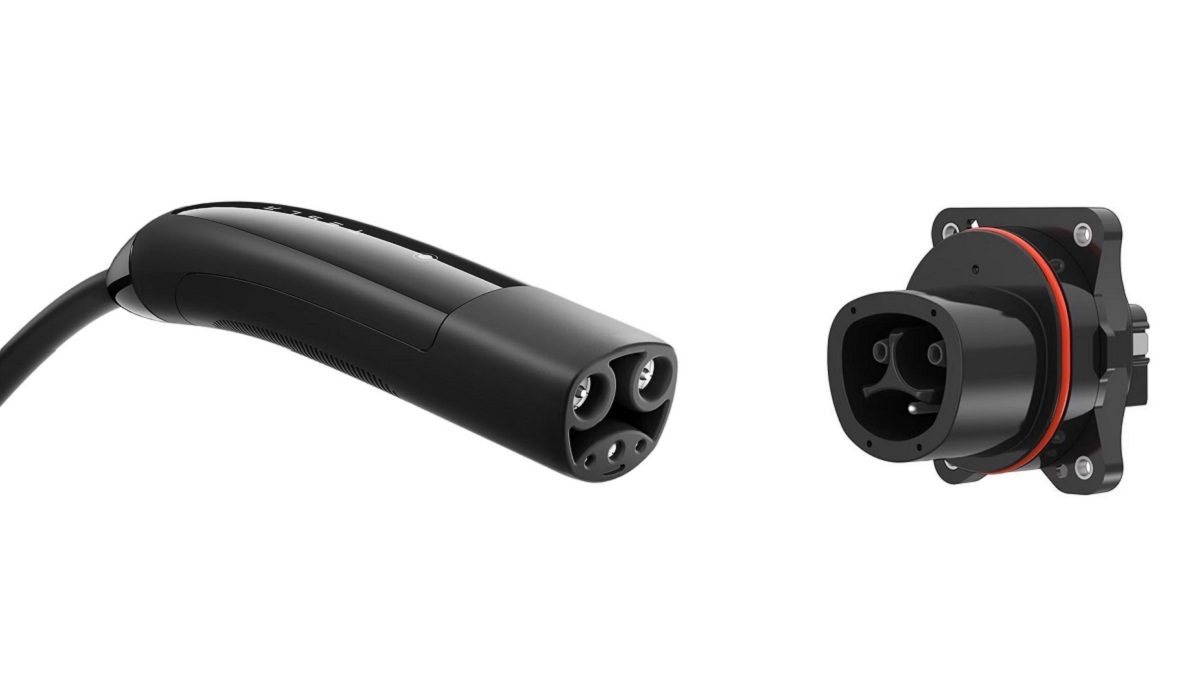
Back in 2012, the Model S sedan was the first car to be released with the new Tesla Charging Connector. A number of other EV makers went with the CCS connector, which Europe had adopted as the standard charging connector for battery-electric vehicles on that continent.
On November 11, 2022, Tesla announced that it was opening up its proprietary standard for use by non-Tesla vehicles and charging stations. The company also announced a plan to see their connector the charging standard for North America and changed its name from Tesla Charging Connector to North America Charging Standard (NACS). Note that NACS was not exactly a standard, as industry consensus is required to achieve that.
In 2022, Aptera (an EV startup) and Ford declared support for NACS. GM, Rivian, and Volvo followed suite in 2023.
In June 2023, the Society of Automotive Engineers (SAE International) announced a decision to standardize the NACS charger, meaning that any manufacturer will be able to produce NACS charging port on EVs and charging stations in North America. This was what Telsa was working towards, and this announcement meant that dream is coming true.
As at this time, there is no definite date when the SAE NACS charging standard will be ready, but it is safe to expect that it will be by 2025, when a number of major car brands intend to produce their first NACS-compliant electric vehicles.
References
- Opening The North American Charging Standard ( source )
Author:Mister Mobility
Digital Skills and Communication Coach | Mobile Phone Connoisseur since 2001 | Tech Blogging since 2004
Add MobilityArena as a preferred source on Google
The future of transportation is electric, and it holds great promise for our environment and economy. Electric means of transportation refers to the use of electric-powered vehicles and modes of transportation as an alternative to conventional fossil fuel-powered options .
Electric transportation relies on electric motors powered by electricity stored in batteries or obtained from an external power source, e.g. solar panels. These kinds of vehicles are increasingly being adopted by consumers. If you are new to the subject, I provide detailed, useful information about it below. Come along.

Benefits of Electric Means of Transportation
Electric means of transportation, in general, offer numerous benefits for the environment and society. I list out the major ones below.
Reduced Carbon Emissions And Improved Air Quality
Transitioning to electric vehicles, such as EVs, is a powerful solution in the fight against climate change. These vehicles significantly reduce greenhouse gas emissions and contribute to a cleaner environment. By adopting electric transportation options, we can play an active role in minimizing our carbon footprint and creating a sustainable future.
With their much lower emissions compared to traditional gasoline-powered cars, electric transportation is instrumental in reducing air pollution and improve the quality of the air we breathe.
- Electric transportation eliminates tailpipe emissions
- Switching to electric power decreases harmful pollutants
- Improved air quality positively impacts public health and reduces respiratory disease risks
Lower Operating Costs
Electric vehicles (EVs) offer significant benefits in terms of lower operating costs. Compared to traditional combustion engine cars, EVs have lower maintenance costs, saving owners money in the long run. Additionally, charging an electric vehicle is more cost-effective than refueling with gasoline or diesel on a long-term basis.
- Electric vehicles have lower maintenance costs compared to traditional combustion engine cars.
- Charging an electric vehicle costs less than refueling with gasoline or diesel on a long-term basis.
- Government incentives and tax credits further reduce the overall operating expenses of owning an electric vehicle.
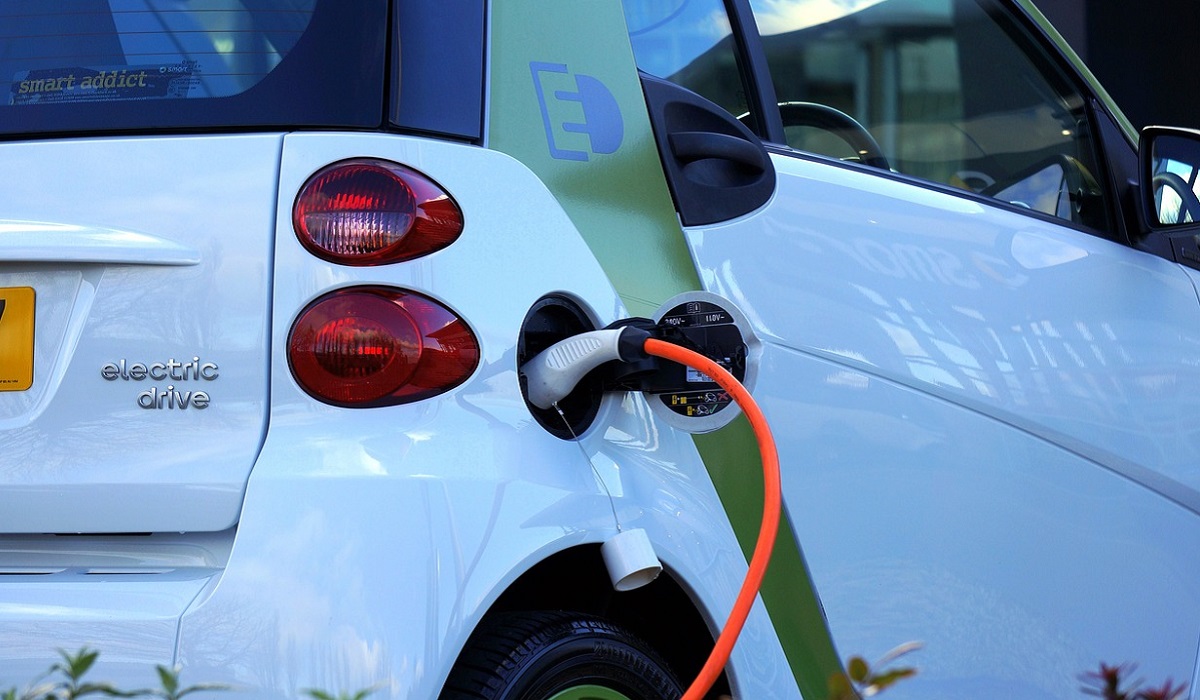
Challenges and Limitations of Electric Means of Transportation
As with all new technology, electrical transportation comes with its own set of challenges and limitations.
Limited Driving Range and Charging Infrastructure
Improvements in battery technology have significantly addressed the limited driving range of electric vehicles. With advancements in energy storage, electric cars now offer longer distances on a single charge, making them more practical for everyday use. Additionally, the expansion of charging station networks has made it easier than ever to find a place to recharge while on the road.
- Longer driving ranges due to improved battery technology
- Increased availability of charging stations across different locations
- Potential for wireless charging infrastructure development
Longer Charging Times
Advancements in fast-charging technology have significantly reduced charging times for electric vehicles. These technological breakthroughs allow drivers to recharge their batteries more quickly, minimizing the inconvenience of longer charging periods.
Higher Initial Costs
Reduction in the cost of electric vehicle production has been a positive development, but it hasn’t completely eliminated higher initial costs. While advancements in technology and economies of scale have made electric vehicles more affordable to produce, the upfront price for consumers is still higher compared to traditional gasoline-powered vehicles.
“Cash-for-Clunkers” programs for incentivizing trade-ins have helped mitigate the higher initial costs of electric vehicles. These programs provide financial incentives or discounts to individuals who trade in their old, polluting vehicles for new electric ones. By offering these incentives, governments aim to encourage consumers to make the switch to cleaner transportation options.

Types of Electric Means of Transportation
There are several types of electric means of transportation options available today. Listed below are some of the most common types:
Electric Cars (EVs) : Electric cars, also known as electric vehicles (EVs), are the most well-known and widely used form of electric transportation. These vehicles are powered by electric motors and rely on rechargeable batteries to store electricity. EVs come in various forms, including plug-in hybrid electric vehicles (PHEVs) that combine an electric motor with an internal combustion engine and battery electric vehicles (BEVs) that solely use electricity for propulsion.
Electric Bicycles (e-bikes) : Electric bicycles, or e-bikes , are bicycles equipped with an electric motor that assists with pedaling. They typically have a rechargeable battery that powers the motor, providing extra assistance to riders. E-bikes are becoming increasingly popular as a sustainable and efficient mode of transportation, especially for urban commuting.
Electric Scooters : Electric scooters are similar to e-bikes but are designed for one rider. They are powered by an electric motor and use a rechargeable battery. Electric scooters are becoming a popular option for short-distance travel in urban areas, as they are convenient and emit zero emissions.
Electric Motorcycles : Electric motorcycles are two-wheeled vehicles that are powered by an electric motor. They operate similarly to traditional motorcycles but use electricity instead.
Electric skateboards are another form of electric transportation that has gained popularity in recent years. These compact and portable devices are equipped with an electric motor and a rechargeable battery, allowing riders to travel at higher speeds without the need to push off the ground like traditional skateboards.
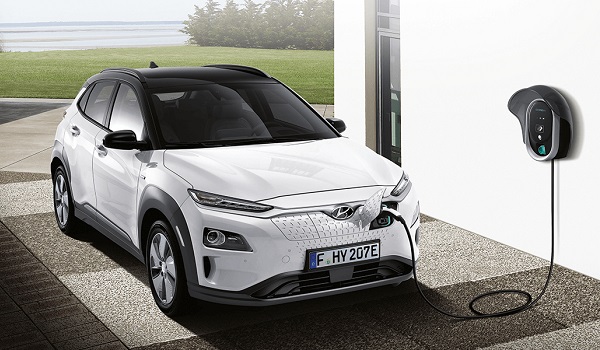
Technological Advances in Electric Means of Transportation
Battery technology innovations have been a driving force behind the advancements in electric vehicles. With the development of solid-state batteries, we can expect significant improvements in energy density and charging capabilities. This will result in longer driving ranges and reduced charging times, making electric transportation more practical and convenient for everyday use.
Fast charging technologies are also revolutionizing the electric vehicle industry. The introduction of ultra-fast chargers capable of delivering high power levels allows EV owners to recharge their vehicles quickly, similar to refueling a conventional car at a gas station. This eliminates range anxiety and enables long-distance travel without inconveniently long stops for recharging.
Autonomous and connected electric vehicles are poised to transform the way we commute. With advancements in artificial intelligence and sensor technology, self-driving cars are becoming safer and more reliable. Additionally, these vehicles can communicate with each other through advanced connectivity systems, enabling better traffic management and optimizing efficiency on our roads.
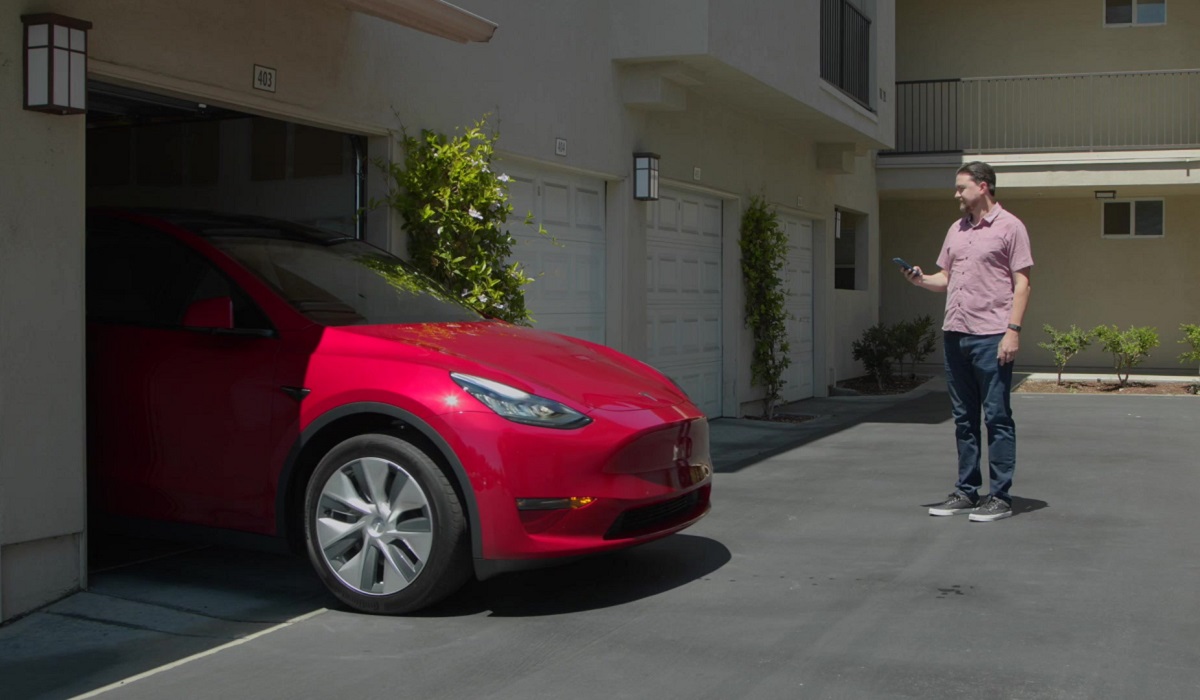
The Future of Electric Transportation
The future of electric means of transportation will follow a similar evolutionary path to mobile technology. We will see bigger and more powerful batteries to increase driving range. Faster connectivity via 5G (and later 6G) will see the arrival of more advanced models. AI-powered vehicles will one day become the norm.
I am excited about electric means of transportation as much as I was excited about cell phone technology when it began to go mainstream decades ago. The future is exciting. The future is electric. You will find my article on why electric vehicles are cleaner to the environment than gasoline and diesel powered vehicles .
Author:Mister Mobility
Digital Skills and Communication Coach | Mobile Phone Connoisseur since 2001 | Tech Blogging since 2004
