Add MobilityArena as a preferred source on Google
The Universal Fast Charging Specification (UFCS) is a next-generation fusion fast charging protocol that is jointly developed by a group that includes some Chinese companies to address the complexity and lack of compatibility among existing fast charging standards in the market.
The developers of UFCS is the Fast Charging Alliance , a collaboration between the China Academy of Information and Communications Technology (CAICT) and leading mobile phone companies such as Huawei, OPPO, Vivo, and Xiaomi.
UFCS aims to improve fast charging integration between different smartphone vendors, making charging facilities universal. That way, once you have a UFCS-certified charging brick, you can use it across multiple phone brands that support the standard.
Features of UFCS
The Universal Fast Charging Specification (UFCS) has a number of features that include the following:
- Universal Compatibility : UFCS aims to unify fast charging standards across different smartphone brands. Once you have a UFCS-certified charging brick, you can use it with multiple phone models that support the standard.
- Adaptive Voltage and Current : UFCS dynamically adjusts voltage and current based on the connected device’s requirements. This ensures efficient and safe charging without compromising battery health.
- Safety Measures : UFCS incorporates safety mechanisms to prevent overheating, overvoltage, and other potential risks during charging.
- High Power Output : UFCS supports high wattage charging, allowing for faster replenishment of battery capacity.
- Certification Process : UFCS-certified products undergo rigorous testing to ensure compliance with the standard.
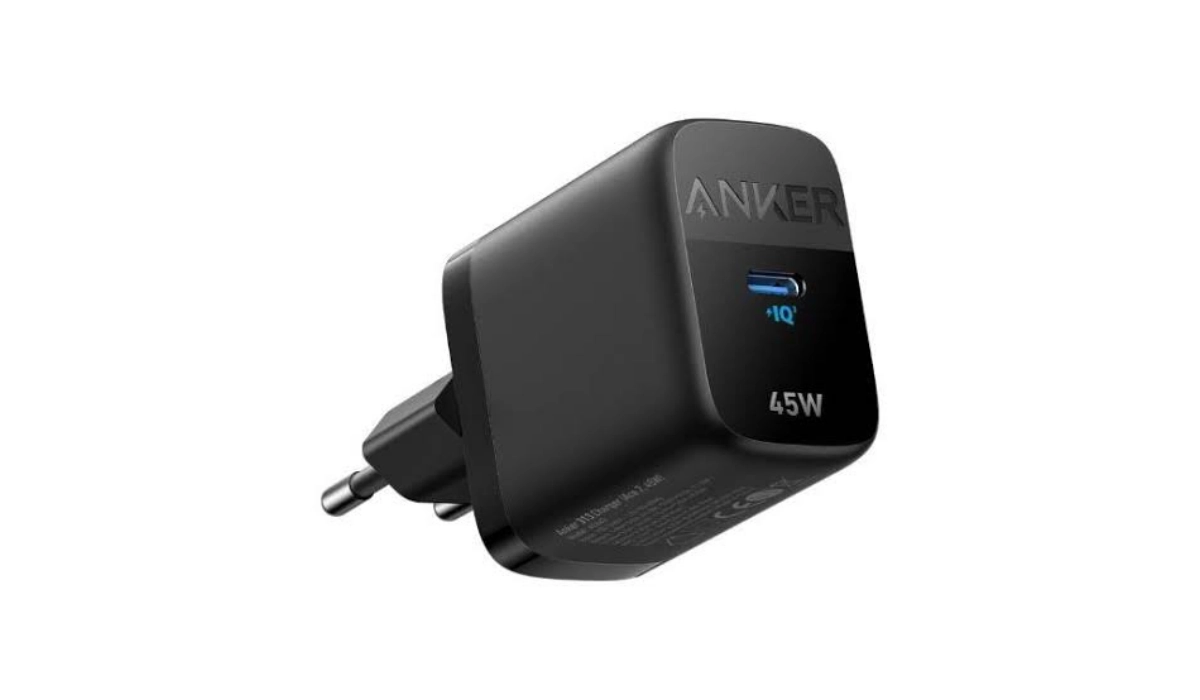
The Anker 313 Ace 2 45W USB-C UFCS Fast Charger
UFCS-certified products are already available in the market. At the last count, there were already over 38 UFCS adapters in the market. These include products from brands like Anker, Edifier, Baseus, Aukey, Huawei, Xiaomi, OPPO, and Realme, among others.
In August 2024, Realme unveiled a ground-breaking 320-watt fast-charging technology called “320W SuperSonic Charge”. This technology can charge a smartphone from zero to full capacity in less than 5 minutes. The 320W SuperSonic Charge power adapter supports UFCS alongside other charging protocols.
Thanks to the universality of the new technology, if any other phone maker implements up to 320W charging in their devices using UFCS, you will be able to use Realme’s adapter with those phones to get the maximum charging speed possible, and vice versa.
Author:Anna Makama
Gadget lover making my way through life one day at a time.
Add MobilityArena as a preferred source on Google
Qi v2.0, also more commonly called Qi2 wireless charging, was developed by the Wireless Power Consortium (WPC) and was announced in January 2023. It builds upon the original Qi wireless charging protocol which has been around for years now. The Qi2 wireless charging standard includes two main profiles – magnetic power profile (MPP) and extended power profile (EPP).
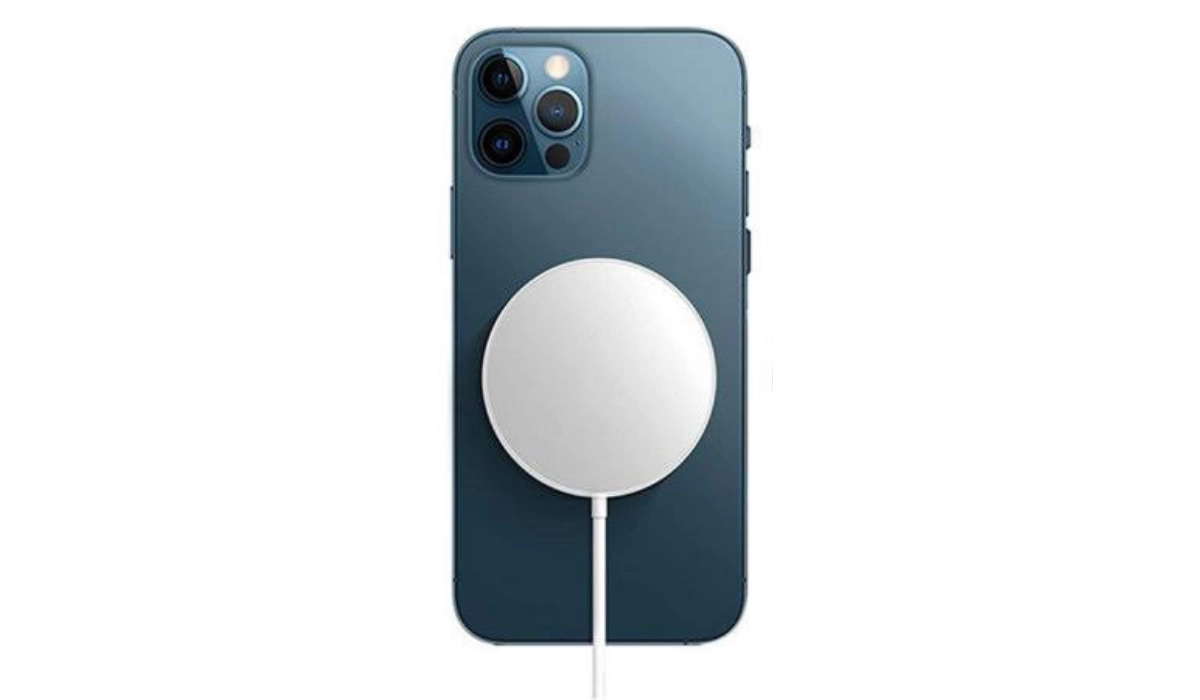
Magnetic Power Profile (MPP) is based on Apple’s MagSafe technology. It uses magnets to perfectly align the charging coils in the device with the induction coils in the charger, leading to improved energy efficiency, faster charging, and easier usability. Apple contributed this technology to Qi v2.0.
Extended Power Profile (EPP) is an enhancement to the existing wireless charging profile. It does not include magnets but still complies with the Qi2 standard, offering higher efficiency and faster charging compared to the original Qi standard.
- Features of Qi2 charging
- Are there any downsides to using Qi2 wireless charging?
- What are the differences between Qi2 and MagSafe?
- Which Qi2 wireless charging plates are available?
- What cell phones support the Qi2 wireless charging standard?
Features of Qi2 charging
Qi v2.0, the 2nd generation wireless charging standard, brings several improvements to the table. They include:
- Faster Charging Speeds : Qi2 supports up to 15 watts of power, three times faster than the original Qi standard (which was 5 watts) and double what Apple’s MagSafe wireless charging launched with (7.5 watts).
- Magnetic Alignment : Qi2 chargers feature magnets for quick alignment on the charging pad. This eliminates the need to search for the “sweet spot” where your device charges efficiently. If you’ve used MagSafe on an iPhone, you’re already familiar with the concept.
- Backward Compatibility : Older Qi devices can use Qi2-certified chargers. However, they won’t benefit from the higher power outputs or magnetic alignment. They will charge wirelessly at the older Qi speed.
Are there any downsides to using Qi2 wireless charging?
While wireless charging offers convenience, there are a few downsides to consider, as follows:
- Slower Charging Speeds : Wireless charging is generally slower than wired charging. Even with faster wireless standards like Qi2, it still takes longer to charge your device wirelessly compared to using a cable. For perspective, Qi2 wireless delivers 15W while wired charging is already pushing 240W to 320W.
- Heat Generation : Wireless charging can generate more heat than traditional wired charging. Excessive heat can affect battery life and overall performance.
- Efficiency Loss : Energy transfer during wireless charging isn’t 100% efficient. Some energy is lost as heat, which contributes to the heat issue mentioned earlier.
- Position Sensitivity : Proper alignment is crucial for efficient charging. If your device isn’t placed correctly on the charging pad, it won’t charge effectively.
- Compatibility : Not all devices support wireless charging. You’ll need a compatible phone and a compatible charger.
You can read our detailed guide for more on how wireless charging works .
What are the differences between Qi2 and MagSafe?
Qi2 wireless charging and MagSafe are both wireless charging standards, but they have some key differences:
Compatibility :
- Qi2 : Compatible with various phone types, including Apple, Samsung, HMD, and Google devices.
- MagSafe : Reserved exclusively for Apple products.
Charging Speed :
- Qi2 : Supports fast charging at up to 15 watts.
- MagSafe : Also charges at 15 watts.
Magnetic Alignment :
- Qi2 : Incorporates magnets for precise alignment, reducing energy loss and overheating.
- MagSafe : Uses a magnetic ring for secure attachment to iPhones.
Cost and Efficiency :
- Qi2 : Usually, Qi2 chargers are cheaper than their MagSafe counterparts. They are also universal, meaning they can be used with compatible devices from different manufacturers, e.g. Apple, Samsung, Google Pixel, OnePlus, Motorola, etc.
- MagSafe : Proprietary technology, so MFi-certified MagSafe chargers are specifically designed for Apple devices.
Which Qi2 wireless charging plates are available?
Product makers like Anker and Belkin already have Qi2 chargers available in the market. They include:
- Belkin BoostCharge Pro Convertible Magnetic Qi2 Charging Stand. This sells for between $100 and $150.
- Belkin 2-in-1 Qi2 15W Magnetic Wireless Charging Pad. Available for between £60 and £70 in the UK.
- ESR Qi2 3-in-1 Travel Wireless Charging Set. Available from €87 to €90 in Germany and the Netherlands.
- Anker MagGo Wireless Charging Station Qi2 Foldable 3-in-1. Available for between $90 and $95 USD on Amazon.
What cell phones support the Qi2 wireless charging standard?
- Apple iPhone 12 mini
- Apple iPhone 12
- Apple iPhone 12 Pro
- Apple iPhone 12 Pro Max
- Apple iPhone 13 mini
- Apple iPhone 13
- Apple iPhone 13 Pro
- Apple iPhone 13 Pro Max
- Apple iPhone 14
- Apple iPhone 14 Plus
- Apple iPhone 14 Pro
- Apple iPhone 14 Pro Max
- Apple iPhone 15
- Apple iPhone 15 Plus
- Apple iPhone 15 Pro
- Apple iPhone 15 Pro Max
- HMD Skyline
More smartphones with Qi2 wireless charging standard support will be announced over time.
Author:Anna Makama
Gadget lover making my way through life one day at a time.
