Add MobilityArena as a preferred source on Google
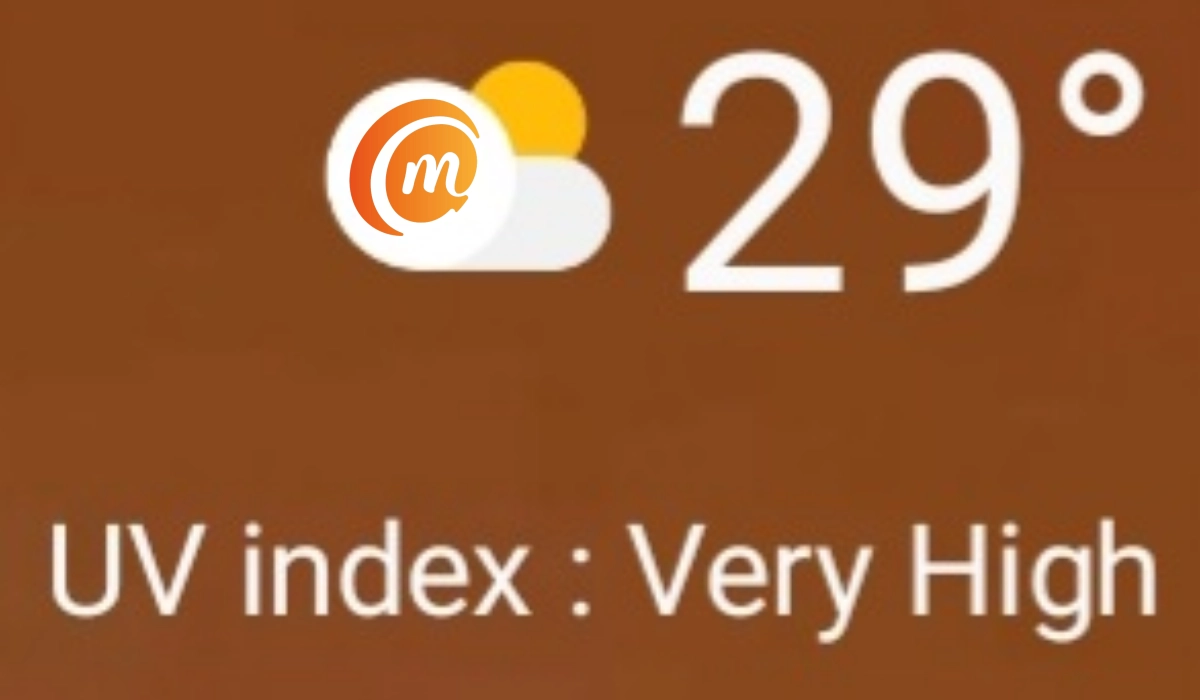
I picked up my smartphone the other day to get a few things done, when I noticed that the weather widget on the home screen has a new information. I make it a point of duty to pay attention to weather information. This time, on display was the following: “UV Index: Very High”.
I have owned hundreds of smartphones and had never seen this particular notice before now. Being a science major back in school, I knew what UV meant – ultraviolet. I knew enough to know that ultraviolet rays exist on the electromagnetic spectrum that includes light, radio waves, x-rays, etc. And I knew enough to know that the index being classified as very high was a warning. Let me walk you through what it means and the implications.
- What UV Index: Very High Means
- What are the different levels of the UV Index?
- What To Do When The UV Index Is Very High
What UV Index: Very High Means
The UV Index is a measure of the strength of ultraviolet (UV) radiation from the sun. It is a scale that ranges from 0 to 11+, with higher values indicating stronger UV radiation. The UV Index takes into account factors such as the angle of the sun in the sky, the amount of ozone in the atmosphere, and the altitude of the location.
When your phone says that the UV Index is very high, it means that the level of UV radiation is at a level of 8-10, which is considered high exposure. This indicates that there is a significant risk of skin damage and sunburn if you spend time outside without protection. It is recommended to take precautions such as wearing protective clothing, applying sunscreen with a high SPF, and avoiding direct sunlight during peak hours when the UV Index is highest.
What are the different levels of the UV Index?
The UV Index is a measure of the strength of ultraviolet (UV) radiation from the sun. It ranges from 0 to 11+, with higher values indicating stronger UV radiation. Here are the different levels of the UV Index and what they mean:
- 0-2: Low. This means that there is a minimal risk of overexposure to UV radiation. No protection is needed, but it is still important to be aware of the UV Index and take precautions if you will be outside for an extended period of time.
- 3-5: Moderate. This means that there is a moderate risk of overexposure to UV radiation. It is recommended to wear protective clothing, use sunscreen, and seek shade during peak hours when the UV Index is highest.
- 6-7: High. This means that there is a high risk of overexposure to UV radiation. It is important to take precautions such as wearing protective clothing, using sunscreen with a high SPF, and avoiding direct sunlight during peak hours.
- 8-10: Very High. This means that there is a very high risk of overexposure to UV radiation. It is crucial to take precautions such as wearing protective clothing, using sunscreen with a high SPF, seeking shade, and limiting outdoor activities during peak hours.
- 11+: Extreme. This means that there is an extreme risk of overexposure to UV radiation. It is essential to take all possible precautions to protect your skin, including wearing protective clothing, using sunscreen with a high SPF, seeking shade, and avoiding direct sunlight during peak hours.
Being aware of the different levels of the UV Index and taking appropriate precautions will help protect your skin from the harmful effects of ultraviolet radiation.
What To Do When The UV Index Is Very High
When your phone says that the UV Index is very high, it is important to take precautions to protect your skin from the harmful effects of UV radiation. Here are some practical steps you can take:
- Wear protective clothing: Cover up as much of your skin as possible with clothing that is tightly woven and provides good coverage. This includes long-sleeved shirts, pants, and wide-brimmed hats.
- Apply sunscreen: Use a broad-spectrum sunscreen with an SPF of at least 30, and apply it generously to all exposed skin. Reapply every two hours, or more often if you are sweating or swimming.
- Seek shade: Try to stay in the shade as much as possible, especially during peak hours when the UV Index is highest. Use an umbrella or seek shelter under a tree or awning.
- Wear sunglasses: Protect your eyes from UV radiation by wearing sunglasses that block 100% of both UVA and UVB rays.
- Limit outdoor activities: Try to limit your time outdoors during peak hours when the UV Index is highest, typically between 10am and 4pm.
By taking these practical steps, you can help protect your skin from the harmful effects of UV radiation and reduce your risk of skin damage and sunburn.
Another important takeaway from this is that you pay attention to the weather widget on your smartphone’s homescreen. The information displayed can save your life. If you don’t have a weather widget installed on your phone’s homescreen, add one to it today. Cheers.
Author:Mister Mobility
Digital Skills and Communication Coach | Mobile Phone Connoisseur since 2001 | Tech Blogging since 2004
Add MobilityArena as a preferred source on Google
When did the first cell phone come out? Perhaps not a common question, but it’s amazing to think about how much the world has changed since decades past. Back in the day, we relied on landlines or payphones for communication. But with the advent of cell phones, our lives have become more connected and convenient. Nowadays, it’s hard to imagine a world without our trusty smartphones by our sides.
In this article, I’ll delve into the captivating history of the first cell phone, exploring key milestones and significant moments that shaped the mobile industry as we know it today. So, get ready to embark on an exciting journey through time as we explore the evolution of the cell phone and the technological advancements that have revolutionized the way we communicate.
When Did the First Cell Phone Come Out?
In 1973, Motorola introduced the first-ever portable cell phone called the DynaTAC 8000X. This brick-shaped device weighed about 2.4 pounds. Martin Cooper, an executive at Motorola, made the very first call using this phone. It cost a staggering $3,995 and could only provide a talk time of 30 minutes after a 10-hour charge. It may seem primitive compared to today’s sleek smartphones, but it paved the way for the mobile revolution that followed.
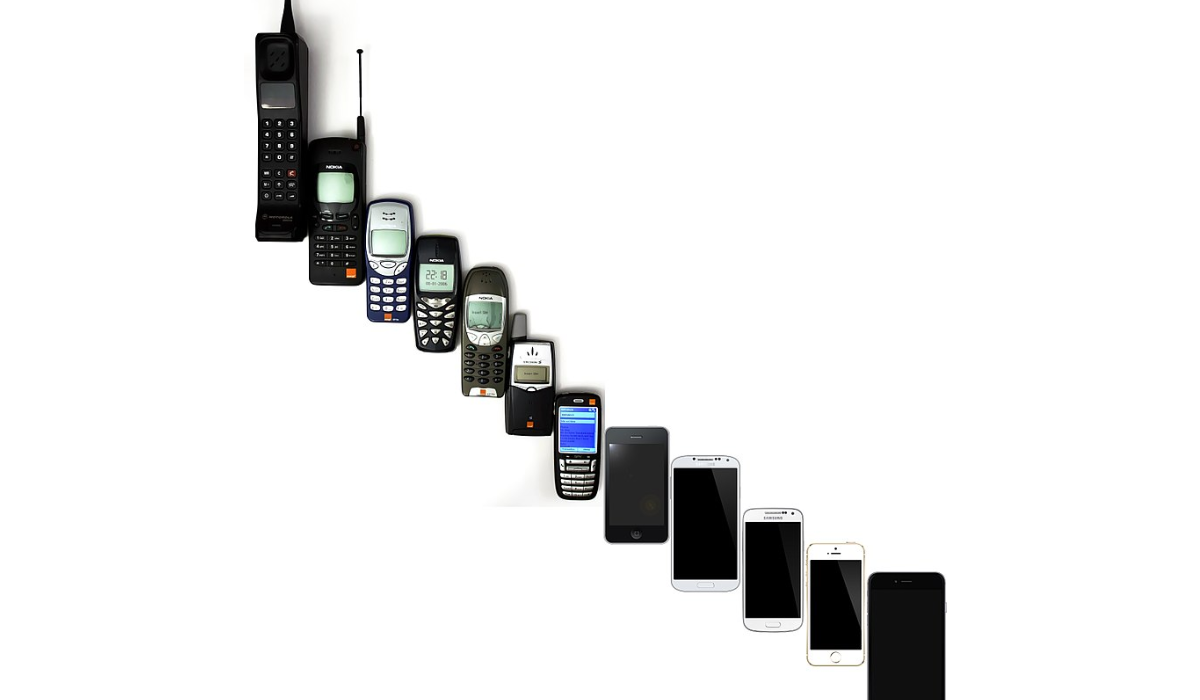
The Top Handsets That Made History
Over the years, there have been several iconic cell phones that have left a lasting impact. These phones played a significant role in shaping the evolution of mobile technology and paved the way for the smartphones we use today. Here are some landmark phones that made history:
Motorola Dynatac 8000X (1985): Known as “the brick,” this was the first handheld mobile phone and marked the beginning of a new era in mobile communication.
Nokia 1011 (1992): The Nokia 1011 was the world’s first mass-produced phone to use the GSM digital standard. It had a monochrome LCD screen, and a removable battery, and could store up to 99 phone numbers. It was a game-changer in mobile communication.
Motorola StarTAC (1996): The first phone to feature the clamshell design, it was the lightest and smallest phone on the market at the time and was marketed as a luxury item. It became the world’s first widely available flip phone and set the trend for future mobile phone designs.
Hagenuk GlobalHandy (1997): The Hagenuk GlobalHandy was one of the first phones to have an internal antenna, making it more convenient to carry and use. It was a step forward in mobile phone design and functionality.
Siemens S10 (1998): The Siemens S10 was a groundbreaking phone that introduced a color screen. It allowed users to enjoy basic graphics and icons, enhancing the visual experience of using a mobile phone.
Nokia 5110 (1998): The Nokia 5110 was an instant success and became one of the most popular phones of its time. It kicked off the vogue for customizable phone covers and even sponsored London Fashion Week in 1999.
BlackBerry 6210 (2003): The BlackBerry 6210 was a game-changer in the world of mobile communication. It was the first BlackBerry device to combine phone capabilities with email functionality, making it a must-have for professionals on the go.
Kyocera VP-210 VisualPhone (1999) : The first camera phone was a topic of debate. Some credit the Sharp J-SH04, but it was actually the Kyocera VP-210 VisualPhone, a Japanese phone that debuted a year earlier. It had a front-facing camera and limited memory for about 20 photos. Other companies later released their camera phones with more storage and higher megapixel counts.
Nokia 8310 (2001): The Nokia 8310 was the first phone to have features like infrared, a radio, and a calendar. It was a bit pricey, originally costing $500 when it launched. It had advanced capabilities for that time, including GPRS, an FM radio, and a fully functional calendar.
Ericsson T39 (2001): The Ericsson T39 was the first cell phone with Bluetooth. It came in three colors and was the successor to the T28 and T29. It was the last Ericsson phone to have an active flip and an external antenna.
When Did Top Brands Release Their First Phones?
Nokia, Samsung, Apple, and other major brands have all played significant roles in shaping the cell phone industry. So, let’s take a closer look at the first phones released by some of the top brands in the industry:
Nokia: Nokia has been a prominent player in the cell phone market for decades. One of their earliest releases was the Nokia Mobira Cityman in 1987. This phone was quite large and heavy compared to today’s standards, but it was a significant step forward in mobile communication. Nokia continued to innovate and released many popular models, like the Nokia 3310, known for its durability and long battery life.
Samsung: In 1988, Samsung introduced its first “handphone,” the SH-100 , which became Korea’s first officially designed and manufactured mobile phone. During that time, mobile phone displays were monochromatic, resulting in a small, black electronic image. Though it had limited functionality, the SH-100 represented the early days of mobile phones when they were still considered luxury items.
Apple: In 2007, Apple made a groundbreaking move with the release of the first iPhone, also known as the iPhone 2G. It was a game-changer because it replaced physical buttons with a touch-based interface, which was a new and exciting concept at the time. This innovation completely surprised and captivated people all over the world.
To sum up, exploring the history of cell phones reveals the significant milestones that shaped the industry. From the first-ever cell phone invention to the groundbreaking releases by top brands like Nokia, Samsung, and Apple, each step forward has brought us closer to the advanced smartphones we enjoy today.
These top handsets have not only made history but have also transformed the way we communicate and interact with the world. The journey of cell phones continues to unfold, promising exciting innovations and advancements in the future. If you’d like more informative guides, check out this category .
