Add MobilityArena as a preferred source on Google
One of our regulars here at MobilityArena got bored after using Android smartphones for about ten years and decided to give Apple’s iPhone a try. I could relate with this. Sometime last year, I contemplated the same too. In my case though, I am not sure whether I was bored with Android phones or I was just bored from spending so many months recovery from surgery.
Anyway, I also contemplated a switch, but I remembered the frustration that I experienced the last time I made such a switch to iOS that I promptly got rid of the idea. But our fellow Mobilista went through with is plan to switch and got himself an Apple iPhone XR .
Why are iOS apps larger than Android apps?
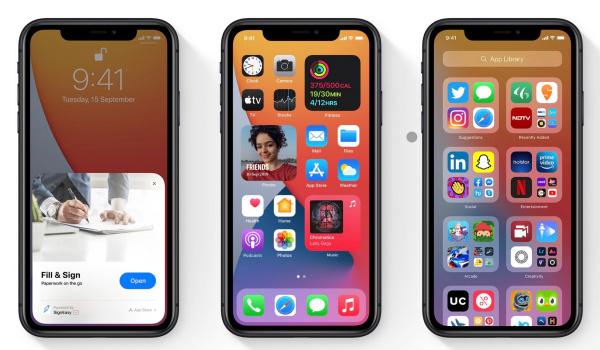
While setting up the smartphone and installing apps, he was shocked at how much bigger iOS apps are than their Android equivalent. The difference in app sizes is huge. I was taken aback too as I compared apps in the App Store with their equivalent in Google Play Store.
Let’s pull up a comparison table to make it easy to compare.
- Android apps vs iOS apps: Size Comparison Why are iOS apps bigger than Android apps?
Android apps vs iOS apps: Size Comparison
| App Name | Size on Android | Size on iOS |
|---|---|---|
| 29MB | 112MB | |
| 17MB | 113MB | |
| Swiftkey | 13MB | 110MB |
| 52MB | 231MB | |
| Gmail | 14MB | 176MB |
| 25MB | 167MB | |
| Chrome | 34MB | 66.8MB |
| Messenger | 32MB | 143MB |
| 22MB | 237MB |
As you can see from the above table, the difference in size between iOS apps and their Android equivalent ranges from about 4 times the size to 10 times the size, depending on the app. So, off the bat, iPhone users are burning more data to download apps and will likely burn more to keep those apps updated as well.
To install all the above-listed apps on Android requires only 238MB of your data subscription. If you were to download the same list of apps on an iPhone, you would need 1.36GB. That is about 6 times more data. Mad; right?
Of course, this also means that iOS apps take up more of the phone’s internal memory for storage. If you are an app junkie, that is a lot of space you will be using up for your iOS apps.
PS : Note that the size of some of these apps vary with the device it is being installed on, but regardless of that, there is always a big difference between the sizes of apps from both platforms..

Why are iOS apps bigger than Android apps?
At this point, it is only natural to ask why iOS apps are that much bigger than Android apps. There are a number of answers to the question and they all have to do with the development. For one, iOS apps require multiple versions of images and artwork for different display sizes. Thesa all add up and contribute to why these apps are much larger.
Also, the binary codes for iOS apps are encrypted, which makes for poor compression. The programming language for iOS apps also requires multiple libraries (coders will understand this). Most of the issues are technical and beyond the scope of everyday users. What is important is that you realise that there is a huge difference in the sizes of apps across both platforms.
Switching from an Android phone to an iPhone is not only expensive in terms of cost of acquisition, it is also expensive in terms of daily usage. You will burn more data downloading and updating apps. One way to go about it is to do your app downloads over a WiFi network or an unlimited data plan, if you can afford one of those.
Thanks to Mobilista, Olusheenor , for sharing his initial experiences with iOS apps with me. I look forward to getting more feedback about his experience and sharing here on MobilityArena. WHo knows? I just might still make the switch myself.
If you do want to buy an iPhone, we helped you answer the question, Which Apple iPhone should you buy? .
Author:Mister Mobility
Digital Skills and Communication Coach | Mobile Phone Connoisseur since 2001 | Tech Blogging since 2004
Add MobilityArena as a preferred source on Google
Since we have many different types of smartphones — which come in a variety of styles, designs, sizes, shapes, specifications, and prices — buying a new mobile device phone can be a chore, especially for people that are not so tech-savvy.
In today’s digital era, smartphones have become our companions, always at our beck and call to perform various tasks, such as surfing the net, staying connected, playing games, buying and selling things, etc.
This is why it is essential to take the time to consider some factors when looking to buy a new phone. If you bungle this decision-making process of selecting the best smartphone that suits your needs perfectly, you could end up wasting effort, time, and money on a poor product.
All you need to know about making a smartphone-buying decision this year
To help you simplify the process, in this post, we discuss 7 things to check before getting a new smartphone in 2020.
Key Factors to Focus on When Shopping for a New Phone in 2020
Before you step a foot into the mall to purchase a new device, you need to make up your mind on the kind of processor you want, in addition to the RAM and storage, the operating system (OS), display (whether LCD or AMOLED), budget, and battery in the mobile.
Let’s explore each of these factors below:
1. Processor
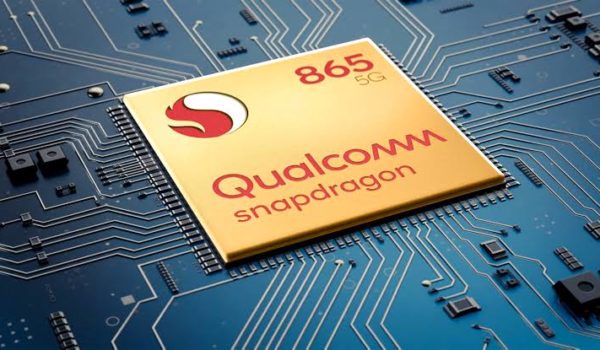
The Qualcomm Snapdragon comes with 5G support, among other goodies
One of the essential hardware components you need to consider when purchasing a smartphone is the processor. Apart from the normal requirements, such as opting for a processor that is of high-quality and is robust, you should always choose a mobile that is powered by a processor, which suits your needs.
For example, if you are getting a smartphone to carry out simple operations, such as making voice calls and using native applications such as Facebook and WhatsApp, a mid-range chip sounds like a good deal for you.
But if you are planning to multi-task smoothly or play high-demanding games, then you should go for one of the flagship processors.
Furthermore, while choosing a smartphone that houses a high-end processor, you need to also keep in mind its core performances, architecture design, battery efficiency, low-power cores as well as the clock speed. As of now, the Qualcomm Snapdragon 855+, which is the newer model after the popular Snapdragon 855 , is among the best processors on the market.
Additionally, one of the 1st smartphones to feature this flagship processor is the OnePlus 7T.
If you are gung-ho about 5G, the Snapdragon 865 is another powerful processor, which was launched last month with X55 5G Modem-RF System, for the next-gen flagship mobile devices. The first-ever smartphone to launch globally with this new processor is Samsung Galaxy S11 that will be introduced in the upcoming Samsung Unpacked event, billed to hold in San Francisco, US, on February 11.
However, if you prefer getting a budget processor, you can go for mid-range chips, such as the Exynos 9611 or the Snapdragon 712.
Unlike the flagship processors above, these chips don’t come at a high cost, and they also offer decent performances.
2. The Operating System (OS)
Android OS is the most popular mobile operating system with over 2.5 billion users worldwide
The operating system is another vital aspect you need to check when looking to buy a new mobile. As you may well be aware, Android, iOS, and Windows are the top three most popular OS.
Android provides a vast array of customizable options, and this is one key capability that is giving it an edge over its rivals today, making it the most popular mobile operating system with over 2.5 billion users worldwide.
Apart from customization possibilities, if you fancy a device with a sophisticated look and unique design, your best bet is iOS. Though Windows comes last in the pecking order, if you crave a powerful camera feature, a Windows phone could be your best choice.
Also, bear in mind that WhatsApp will be discontinued on older Windows, Android, and iOS phones by February 1, 2020. So, devices running Android versions 2.3.7 & older or iOS 8 & older will no longer receive WhatsApp support.
3. RAM And Storage
If you want your apps and games to launch at a blistering speed, regardless of when you last opened them, and you also want your phone to multi-task without a glitch, you will need a smartphone with at least 6GB of RAM.
Additionally, if you are keen on adding gaming to your list of needs, you can opt for a device that has 8GB of RAM. But considering the present situation of things, going for a mobile device with over 8GB of RAM will be a bit of an overkill.
Further, the storage space completely depends on the volume of data you will store on the device. If you are the kind of user that downloads a slew of movies, songs, and videos, then a phone with 32GB or 64GB of internal storage is okay for you.
But if you will be installing many high-end games , then you could choose a handset that has 128GB or more.
4. The Product & the Features It Brings
Another factor to check is the product, meaning what you want to buy and your reason for the purchase. All major mobile phone manufacturing companies around the globe are releasing new models with new features daily.
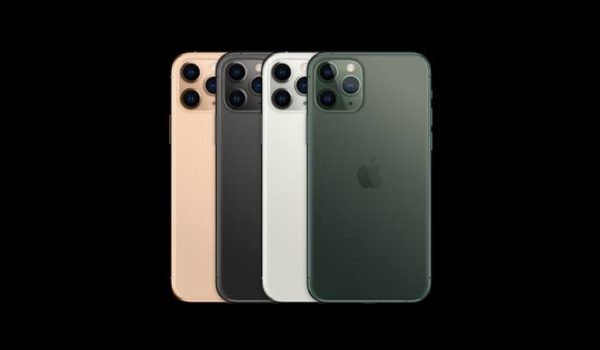
Thus, you’ve a variety of options to pick from. For instance, if you opt for iOS, then you must keep in mind that Apple now offers a number of new iPhone models, including iPhone 8 , 8 Plus , X , 11 , 11 Pro , and 11 Pro Max .
Obviously, you have to shell out a lot more amount to get any of these newest iPhone versions in comparison with the older versions released.
The same assertion can be made about Samsung Galaxy and other phone brands. Therefore, you can start exploring the products, along with their features on the Internet, and then select the phone that best suits your needs and style.
Not forgetting to ensure it meets your specs, such as camera, storage space, battery life, and connectivity options.
5. Display: LCD OR AMOLED?
The next thing to check is the display type. Currently, you can either get a device sporting liquid crystal display (LCD) or active-matrix organic light-emitting diode (AMOLED).
If you seek to enjoy a premium experience, the AMOLED display type is what you should opt for. This is because it delivers rich, colorful colors, and also helps you save battery life.
AMOLED screens were initially exclusively available on flagship smartphones. Fortunately, the tech is now offered on a number of mid-rangers and budget devices, too. For example, the Samsung Galaxy A30s sports an sAMOLED display (which means super AMOLED, a more advanced AMOLED version).
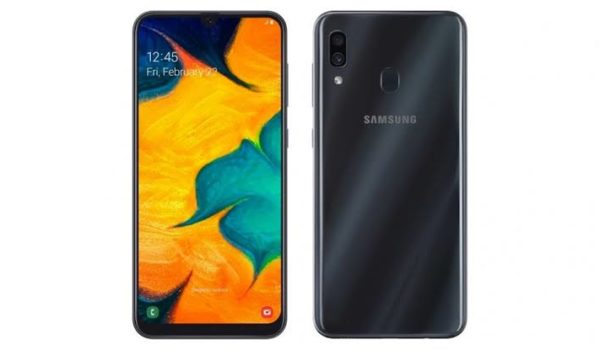
The Samsung A30s is a mid-ranger with a sAMOLED screen
As stated earlier, the AMOLED displays also enhance your better battery life owing to the technique they use for managing a backlight, unlike LCD screens.
On an AMOLED panel, each pixel gets individually lit. Thus, if you make use of a black wallpaper, then the mobile will not consume as much battery to display this wallpaper as it’d if it were an LCD.
6. Your Budget
The budget you have for a phone is, of course, another important thing to put into consideration before making a buying decision. If you begin to search for a new smartphone blindly, you will find it quite easy to get lost for choice as many smartphone options are in front of you to pick from.
Thus, we recommend you determine the price range, which you will be able to afford.
It is a wise decision not to overspend while trying to own your favorite choice smartphone. Sometimes all you need do is light research, which will enable you to find the best deals for that mobile device of your choice.
7. Battery
Did you think we would leave this one out? We couldn’t, considering its importance.
Today, phone batteries have witnessed a lot of improvements, which are anchored on more sophisticated battery technology and fast charge support. A typical 3500mAh battery is now strong enough to last you an entire day (that is if you don’t spend the whole day streaming your favorite movie.)
However, with anything less than 3000mAh, you might need to have a battery pack handy.
Furthermore, you also need to check the phone’s charging speed. Ensure it has support for fast charging and also has a fast charger in the box.
If you can get 15-watt fast charging support in a budget phone, then you might have laid your hands on a sweet deal! However, 10W fast charging will do too.
If you want something premium, you can go for 20 watts charging or proprietary charging standards, such as VOOC Charge, Dash Charge, and others.
For the mid-rangers devices, you have a cool buy in a phone with 18 watts fast charging support.
In a Nutshell
The 7 things to check before getting a new smartphone in 2020 include the processor, RAM and storage, the OS, battery, budget, display type, and the particular product and its features. If you carry out your research focusing on these aspects, you will be able to get good value for your hard-earned money.
Author:Tijani Mustapha
Deji is a web content developer and tech writer, who is passionate about tech-related topics and issues. A graduate of Physics from the University of Ibadan, he loves writing, conducting research, playing football, and meeting people of diverse backgrounds and interests.
