Add MobilityArena as a preferred source on Google
Are you one of those who complain about poor cameras on budget devices? Have you read gadget reviews in which the reviewer scores a budget device low because the camera doesn’t take stunning shots? To be honest, you should not be surprised. Budget phones are the wrong places to look for quality cameras.
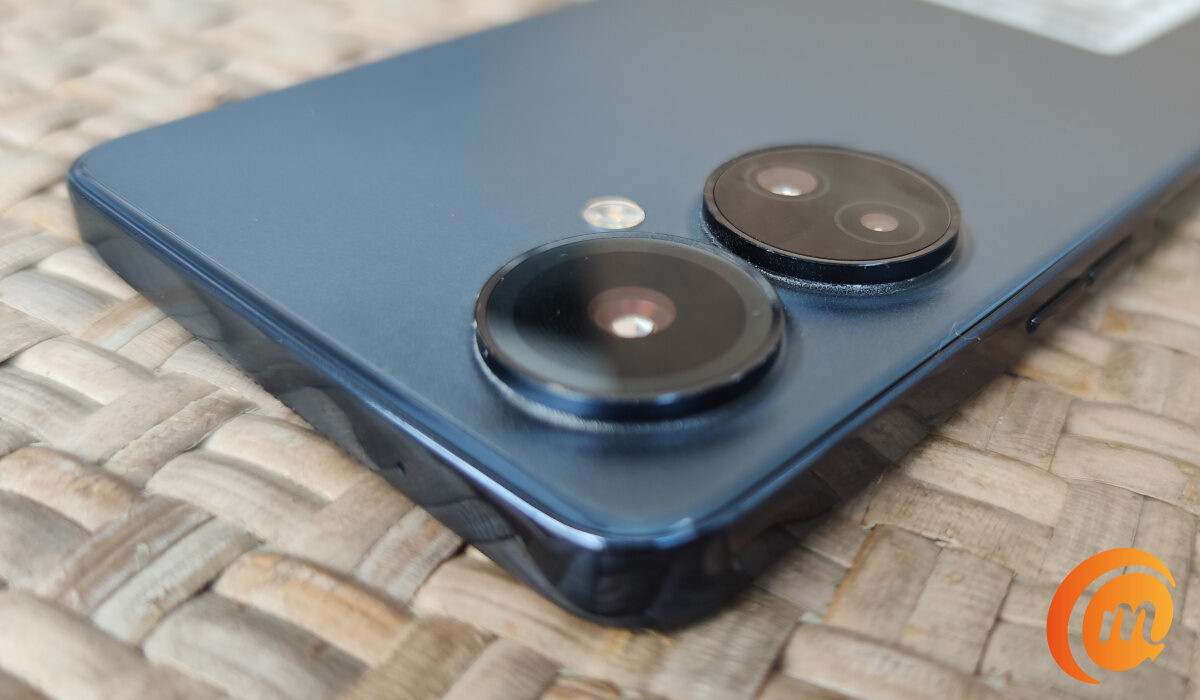
For one, low-cost phones lack the advanced camera sensors found on high-end smartphones. Those advanced sensors cost more money than basic ones do. They also lack the processing power ( CPU and GPU ) required to utilize those advanced sensors. Again, those more powerful processors cost more money. To top it up, budget phones also lack the advanced lenses that high-end camera phones have. Of course, more advanced lenses cost more money. All of these extra expenses stack up and remove great cameras from within reach of budget smartphones. All you are left with are poor cameras.
- Budget Phones And Poor Cameras Are A Pair
- Ignore The Megapixel Ratings
- All The Best cameras Are On Flagships
- But What If…
Budget Phones And Poor Cameras Are A Pair
Whether it is on smartphones or on drones or manned aircraft or on security towers, great cameras and budget do not mix. Wherever you see an outstanding camera, you are looking at something that has cost money to produce. It is like expecting a high octane performance engine in a budget city car. If you find one in there, it is placed there at great, extra cost.
Ignore The Megapixel Ratings
We have known for years that a camera’s quality is not all about its megapixels rating. There are a handful of factors that contribute to the quality of photos that a camera produces. As such, you can have an 8 megapixel camera on a $250 budget smartphone and an 8 megapixel camera on a $1200 flagship. But the camera in the flagship will produce much better images than the one in the budget phone ever can. It is more than the megapixels .
All The Best cameras Are On Flagships
Have you ever – at any point in time since smartphones were invented – found the best cameras on any device that is not a flagship? Run your web searches. Since the garden of Eden, every list of the best camera phones year after year have always featured the most expensive phones.
But What If…
But what if one manufacturer were to produce a phone that has budget specifications in every other area and then include a flagship grade camera on it? It would cost a bit more than the average budget phone. Perhaps its price would cross over into mid-tier territory. But I am wondering..a performance camera would require a really good processor too. Those glorious photos tend to be heavy too and will require lots of internal storage. Sigh. The price is going up gradually; right? Perhaps cloud storage can be used?
Anyway, you get the picture; right? Stop expecting anything other than poor cameras on low-cost smartphones. It costs quite a bit to produce a well refined camera that produces stunning photographs. Yes, once in a while, one phone brand or the other manages to squeeze a great camera into an upper mid-range smartphone. That is doable and happens.
But one you drop down into low-cost or entry-level territory, out goes any chances of having a great camera. This is not to say that entry-level phone cameras are so poor that they are useless. Not at all; you can take fairly good and usable photos with them (here is a video tutorial on how to take better photos with your phone camera ), but you will be able to take much better photos with the cameras in high-end phones.
Author:Mister Mobility
Digital Skills and Communication Coach | Mobile Phone Connoisseur since 2001 | Tech Blogging since 2004
Add MobilityArena as a preferred source on Google
Starlink has been a great success in providing Internet access to remote locations, but it comes at a steep price. The new Starlink MINI is a more compact version with a smaller dish that measures 28.9×24.8 cm (11.4″ x 9.8″) in dimensions, and it comes at about half the price of the regular service.
This more compact, more affordable service is sure to have a greater impact on Internet connectivity globally. We are talking about a package that you can carry around in a backpack. I call it a proper game changer in the industry.
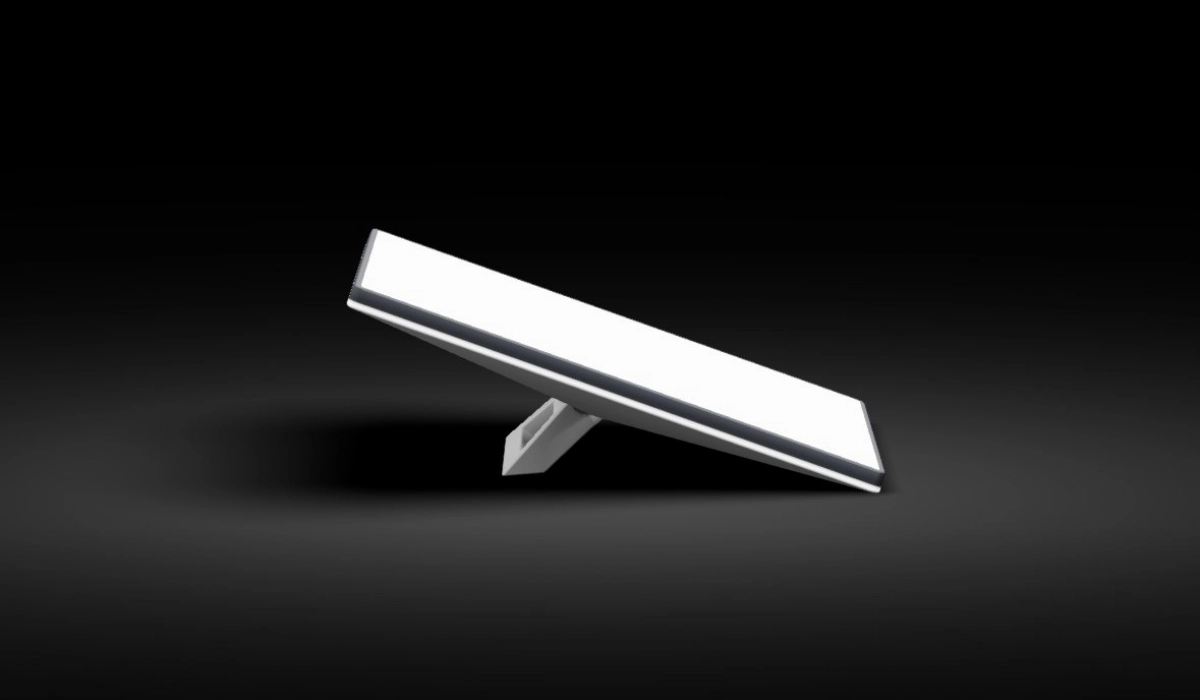
Starlink MINI dish is more compact
The new Starlink MINI weighs a mere 1.10 kg (2.43 lb), supports WiFi 5, and has a 3 x 3 MU-MIMO, 1 Ethernet port with a rubber plug, 12-48 V, up to 60W power input with Barrel Jack, a USB-C to Barrel Jack Cable that sells separately. The kickstand and pipe adapter are included in the box.
What kind of speeds are we to expect from Starlink MINI? The smaller dish implies some type of impact on performance, and it does. Expected download speed is in the region of 100Mbps and upload speed is in the region of 11.5 Mbps. But it is the latency that blows things out of the water, with a speedtest result shared by Elon Musk showing a 23ms latency. That is fantastic.
Starlink MINI looks like a great solution for everyday Internet users who need a reliable connection at a more affordable price. Elon says it costs about half the acquisition and subscription prices of the regular Starlink service. Startup costs for the regular Starlink starts from $599, so you can expect to be able to get started with Starlink MINI for about $300 and pay a monthly subscription in the region of $60. Not bad at all.
This more affordable, super portable Starlink dish is exactly what millions of people have been wanting. In addition, it is easy to set up. According to Elon, the new Starlink MINI can be setup in less than 5 minutes.
When will the service be available? Elon Must says that it will roll out to select areas in a few months from now. You can expect to see it go on sale in two to six months, at the most.
Starlink is pushing a number of innovative solutions for keeping people connected outside of regular terrestrial connectivity. Starlink Direct-to-Cell is another such solution developed to keep cell phones connected even when outside of the coverage area of cellular carriers.
Author:Mister Mobility
Digital Skills and Communication Coach | Mobile Phone Connoisseur since 2001 | Tech Blogging since 2004
