Add MobilityArena as a preferred source on Google
Xiaomi runs a tight ship and has created a strong market appeal over the years by providing more affordable options to products by the competition with its Mi range of phones. Even more interesting is the fact that it has a budget sub-brand, Redmi, that manufactures even more pocket-friendlier devices. And then there is Poco, another sub-brand, but we are not here to analyse Xiaomi today. A Xiaomi Redmi Note 9 Pro vs Mi Note 10 Lite comparison of specs, features, and prices is why we are here.
The Mi Note 10 Lite and Redmi Note 9 Pro are two smartphones from the same parent company – call them cousins, if you please. Both of these smartphones offer superb value for money and are almost untochable in their class by anything the rest of the competition has to offer.
What are the differences between these two mid-range devices? Do they share any similarities besides having the same blood and DNA?
Xiaomi Redmi Note 9 Pro vs Mi Note 10 Lite: The Preamble
Both devices have multiple variants, but for the puspose of this comparison, we are taking their base models – the ones with 6GB RAM and 64 GB storage memory. Doing this allows us compare the value they offer on an even footing .
Our contenders are ready. We are ready. You are ready. Let’s do this.

Xiaomi Redmi Note 9 Pro vs Mi Note 10 Lite comparison
Xiaomi Redmi Note 9 Pro vs Mi Note 10 Lite: Quick Specs Comparison
First up is our quick comparison table so you can view the similarities and distinguishing differences of the two devices at a glance.
| Xiaomi Redmi Note 9 Pro | Xiaomi Mi Note 10 Lite |
|---|---|
| 6.67 inches, 1080 x 2400 pixels, IPS LCD, punch hole display. | 6.47 inches, 1080 x 2340 pixels, AMOLED, waterdop notch, curved display, HDR10 |
| Gorilla Glass 5 protection front and back | Gorilla Glass 5 protection front and back |
| Plastic frame | Aluminium frame |
| Octa-core, Snapdragon 720G (8 nm), 2.3 GHz | Octa-core, Snapdragon 730G (8 nm), 2.2 GHz |
| 16MP selfie camera | 16MP selfie camera |
| 64MP + 8MP + 5MP + 2MP rear quad camera with LED flash | 64MP + 8MP + 5MP + 2MP rear quad camera with quad LED flash |
| 64 GB internal storage + dedicated card slot, up to 256GB | 64 GB internal storage |
| 6 GB RAM | 6 GB RAM |
| 5020 mAh battery + 30W quick charging | 5260 mAh battery + 33W quick charging |
| $209 / ₦104,000.00 | $295 / ₦130,000 |
As you have seen from the above table, these two devices share a lot of similarities: they have the same camera specs on both the front and the rear, they have the same RAM, they have the same storage, almost the same screen resolutions, and almost the same processsors. Yes; the Snapsdragon 720G and 730G are almost the same chips, yet distinctive in at least one key way. We shall come back to that later though.
Of course, the two Xiaomi phones have some notable differences on their build, displays, processors, and batteries.
Where Redmi Note 9 Pro has the edge
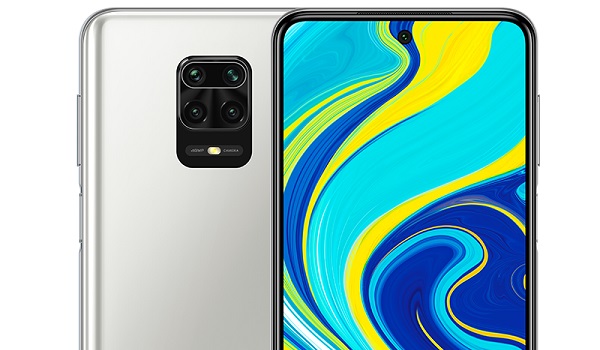
The Redmi Note 9 Pro’s display is significantly bigger than the Mi Note 10’s. There are lots of people who prefer larger mobile screens, so that is an advantage. Never mind that it means the Redmi has a lower pixel density. It is is still a solid density and is sharp.
While the Snapdragon 720G sounds like a less powerful processor next to the 730G, because of the numbering, it is essentially a 730G but with better power management. Which means that the Redmi Note 9 Pro will deliver better battery life despite its slightly smaller battery. Reviewers who have tested both phones corroborate this, so it isn’t just a technical deduction.
If you like the idea of being able to add extra memory to your smartphone should you need it, the Redmi beats the Mi Note 10 Lite here. The latter does not have a card slot, but the Redmi Note 9 Pro has a dedicated memory card slot. You don’t even have to sacrifice a SIM card.
Where Mi Note 10 Lite has the edge
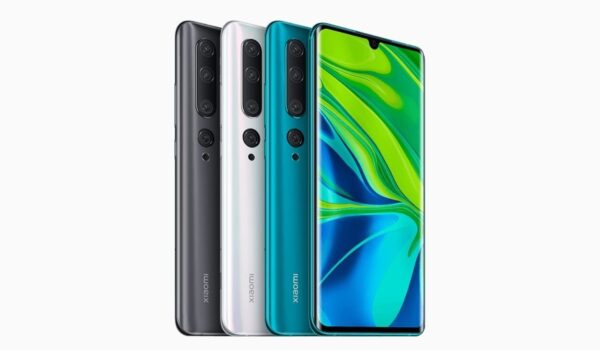
The first visible advantage of the Mi Note 10 Lite is that it has an aluminium build. The Redmi is plastic. I will take aluminium any day. It just feels cooler. Of course, that makes t the heavier of the two devices.
Next, the curved AMOLED display on the Mi Note 10 Lite is a sure attraction. AMOLED means darker blacks and better contrast. If you have ever placed two devices with IPS LCD and AMOLED displays respectively side-by-side, the difference is clear. And curved displays just give off a cooler vibe than flat ones.
The 5260mAh battery is bigger, but as I have already explained, it is let down by the bigger power drain of the Snapdragon 730G chipset, so that doesn’t hold as an advantage. What is better is the fact that you have 33W fast charging here. It isn’t much faster than the 30W fast charge of the Redmi Note 9 Pro, but faster is faster.
Xiaomi Redmi Note 9 Pro vs Mi Note 10 Lite: Who wins?
Both devices have Gorilla Glass 5 protection on them, both on the front and at the back. They share the very same camera specs.
The Redmi has a punch hole for the selfie camera, while the Mi Note 10 Lite has a waterdrop notch. Which do you prefer? Your call.
In terms of performance, both phones are pretty much at par. Any performance differences between the processors powering them are minimal. The Redmi Note 9 Pro wins in terms of battery life though. And it scores a strong goal in terms of externmal memory.
If you love gorgeous displays, the curved AMOLED panel of the Mi Note 10 Lite will draw you like a moth to a flame. And the aluminium frame gives it a more premium look and feel.
Sigh. This Xiaomi Redmi Note 9 Pro vs Mi Note 10 Lite comparison is a tough one. We are looking at essentially the same device with minor modifications and adjustments here and there that are just enough to have you wondering which to buy.
The deciding factor might eventually come down to price. The Redmi Note 9 Pro is significantly cheaper than the Mi Note 10 Lite, which makes the former much better value for money. You get the same performance and similar features as the Mi Note 10 Lite for much less. If you can afford to spend almost $300 though and want better build and display, the Note 10 Lite calls to you.
And so we have come to the end of our Xiaomi Redmi Note 9 Pro vs Mi Note 10 Lite face off. We do not dare say that there is a clear winner here. You simply must decide which of these two mid-range power Android phones you prefer. Whichever you choose will not leave you wanting.
PS : The Redmi has a 6GB + 128GB variant, while the Mi has two other variants – one with 6GB + 128GB and the other with 8GB + 128GB. At all levels, the Mi Note 10 Lite is the more expensive of the two phones.
Author:Mister Mobility
Digital Skills and Communication Coach | Mobile Phone Connoisseur since 2001 | Tech Blogging since 2004
Add MobilityArena as a preferred source on Google
SONY Xperia 5 II has been launched as the newest addition to the company’s range of smartphones. The Japanese company, which is expected to release the PlayStation 5 sometime in November, has incorporated a number of interesting features in the Xperia 5 II.
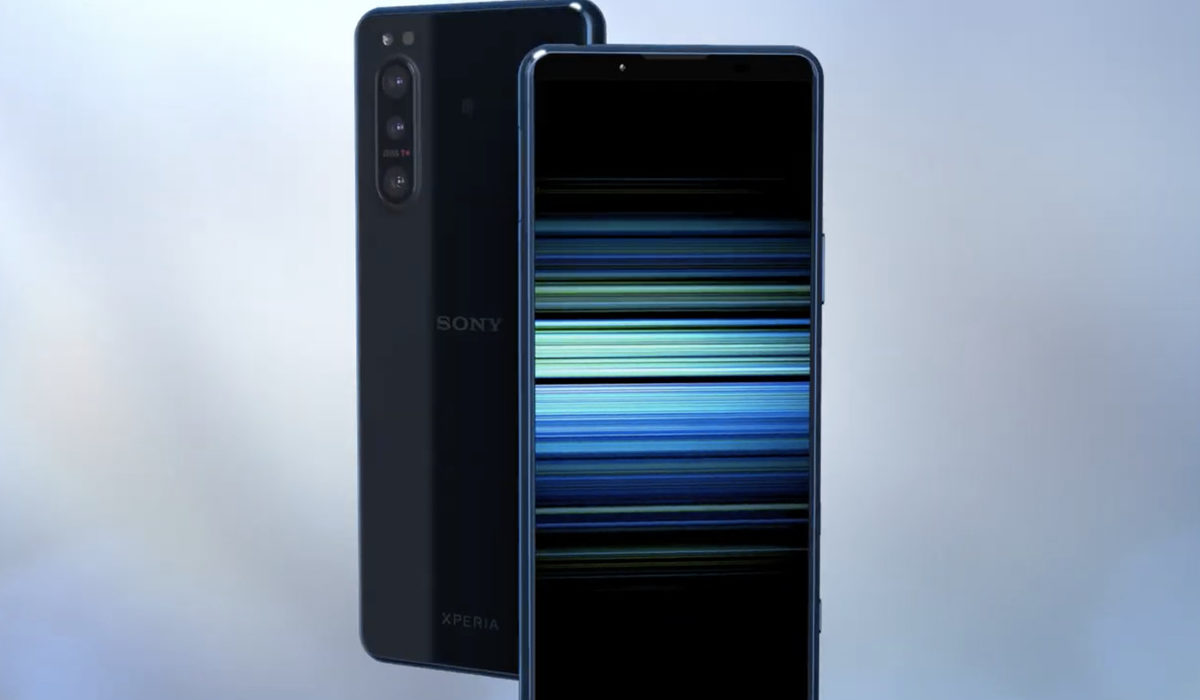
The SONY Xperia 5 II launched with the Android 10 OS and is built around a 6.1-inch OLED (1080×2520 pixels) display with a 21:9 aspect ratio, a touch sampling rate of 240Hz and a 120Hz screen refresh rate. Under the hood, the octa-core Qualcomm SM8250 Snapdragon 865 chipset is hooked to 8GB of RAM and 128/256GB of onboard storage (expandable via microSD).
In the camera department, this smartphone boasts the same triple-rear camera setup as its predecessor, the Xperia 5 , with three 12MP modules in typical Sony style. Up front, an 8MP selfie camera takes care of video call responsibilities and selfies.
The SONY Xperia 5 II launched with IP68/IPX5 dust and water resistance, with both front and back protected by Gorilla Glass 6. This device has a 4,000mAh battery pack that supports fast charging at 21W, weighing 163 grams and measuring 158×68×8 mm
The SONY Xperia 5 II launched in Blue, Pink, Grey, and Blue colours, but we may see more colour shades in the coming weeks. This smartphone will be available for pre-orders in the U.S from $950, and buyers who pre-order this smartphone by November 29 will get a gaming bundle that consists of a gaming headset, 21,600 Call of Duty Mobile points, and a 10,000mAh power bank.
SONY Xperia 5 II Price and Specs
- OS: Android 10
- Release Date: September 2020
- RAM: 8GB
- ROM: 128/256GB
- Network Type: 4G/5G
- Selfie Camera: 8MP
- Rear camera: 12MP+12MP+12MP
- Display: 6.1-inch OLED display with a 120Hz refresh rate
- Battery: 4,000mAh with 21W fast charging support
- Processor: Qualcomm Snapdragon 865
- Price: $950
With a 6.1″ display in a handy size and flagship specs, the Xperia 5 II is definitely one of the very best compact smartphones of 2020 .
References
- Source ;
- Source ;
- Source .
Author:Alfa Baye
Staff Writer
